


Curious whether electrolytes actually make a difference? We break down how they work, why they matter, and how they can help for exercise recovery. Plus, we reveal 5 of the best electrolytes for workouts and wellness!
Words: Joanna Ebsworth. Images: Shutterstock.
Once reserved for endurance athletes and those working at super-high intensities, it now seems everyone from your gym buddies to wellness gurus is supplementing with electrolytes. Indeed, the inaugural 2025 Hydration Report from electrolyte brand Humantra, shows 24 per cent of UK adults now take electrolytes regularly.
Yet the same report reveals 55 per cent of UK adults still don’t know what they are or what they do. So, just what are electrolytes? How do they work? And can they really benefit your training, recovery from exercise and overall health?
The simplest way to think about electrolytes is as a collection of electrically charged minerals that spark chemical reactions around the body when dissolved in water. ‘The most important minerals are sodium, magnesium, potassium and calcium,’ says performance nutritionist and Puresport scientific advisor Dr Sam Impey. ‘These are the four you’ll find most often in electrolyte drinks because, by volume, they’re the most commonly found electrolytes in the human body.
‘Each mineral plays a key role in our biochemistry because they are involved in hundreds of different chemical reactions that make us who we are,’ continues Dr Impey. ‘Magnesium alone is involved in over 300 chemical reactions and processes in the human body, from your brain through to your muscles and the gut.
Meanwhile, calcium is essential for bone health, and also causes muscle contraction through depolarisation, a process where a neural input runs along muscles, tells a certain set-up of the muscle to move some calcium in and out, and sparks an electrochemical gradient that causes a muscle to begin to contract. They do a lot!’
As the body’s most abundant electrolyte, sodium is arguably the most important for hydration, playing a dominant role in helping the body regulate fluid balance outside of cells, aiding the absorption and transportation of nutrients such as amino acids, glucose and water from the small intestine into the bloodstream, and maintaining proper nerve and muscle function.
Potassium plays a complementary role by balancing fluid levels inside of our cells, helping to regulate heart function and blood pressure, amongst other essential jobs.
‘Ultimately, electrolytes are like anchors that pin water into your cells or tissues where it’s needed,’ explains Sophie Medlin, consultant dietician and head of nutrition at electrolytes brand, Heights.
‘If you think back to GCSE science and osmosis, the simplest way to think about it is that salts hold water into a particular place. But if we’re not getting enough sodium and if we drink lots of water, that water can’t be held in that same place, so it gets lost through our urine, through our bowels and through sweat. That’s why it’s really worth thinking about how you can utilise electrolytes to pin that water in the right place to make sure your tissues are properly hydrated, rather than just drinking lots of water, which you can lose quite easily.’

Electrolytes for workouts
Considering that water makes up to 60 per cent of an adult human’s body weight, it doesn’t take a scientist to understand the key role hydration has in the way we work and perform as a machine. However, things certainly get more scientific when our regular day-to-day loss of liquids and electrolytes is amplified through sweating and exercise.
‘A lot of sports science literature [on electrolytes] refers to a scenario where you are looking for a direct performance benefit,’ says Dr Impey. ‘And as a general rule of thumb, many of the global guidelines from the American College of Sports Medicine [ACSM] and the International Olympic Committee [IOC] say there probably is a case for having electrolytes for exercise that’s longer than an hour at a moderate-to-high intensity to help sustain performance and promote recovery, particularly if you are exercising in hot conditions, which are defined as around 25°C or above.
‘Of course, these recommendations relate to trying to beat your half-marathon PB, for example,’ continues Dr Impey. ‘But the big differentiator here is that many people use electrolytes during their day-to-day training where the goal isn’t necessarily to achieve a new personal best at every session, because that’s ridiculous, but rather to help them enjoy a good quality of training while aiding their recovery process. So, the recommendations of how you can use electrolytes for training are probably slightly different in that instance. Personally, I think there’s a real preference point.’
Some people like to pre-hydrate with an electrolyte solution before a training session, says Dr Impey, to drive fluid uptake into the body so that when you start sweating and begin to lose electrolytes, you’re not losing them to the point where you become dehydrated. ‘And if that works for you, and it makes you feel better during training, then that’s fantastic,’ he adds.
‘Personally, I prefer to have electrolytes afterwards because I’m quite a salty sweater – I know that for a fact as I’ve had it measured – and while a bit of it might be psychological, I find having them after a long exercise session over 50 minutes, or after some really sweaty high-intensity intervals, helps with my recovery process.’
As you might have realised, various factors can play a role in your need for electrolytes to support you before, during and after exercise, from the intensity of your workout and how sweaty you get, to the temperature, how salty your sweat is and the duration of your physical exertion. ‘I’d say, if you’re doing a 30-minute, low-intensity yoga class, you don’t need electrolytes,’ says Dr Impey.
‘But if you’re doing a 45-minute Bikram yoga class or a HYROX session and you’re caked in sweat, you might find them beneficial. Once you get into that 45-60-minute training zone, and you’re sweating a lot, I think there’s value in exploring electrolytes.’

Electrolytes for wellness
While some believe taking electrolytes to support high-intensity workouts over a prolonged duration is valid, another school of thought believes electrolytes play a vital role in supporting health and wellbeing on a day-to-day basis, whether you are exercising or not.
‘Performance people are usually the first group to pick up on the power of hydration because their bodies won’t run that 10K as fast as they should or complete that triathlon if they’re dehydrated,’ says Oliver Patrick, world-leading physiologist and chief wellbeing officer at Heights.
‘Therefore, athletes have a much clearer outcome metric of their physiology, and we can see that a one-to-two per cent drop in hydration status can have a meaningful impact on performance at an elite level, but also at a recreational level. And when we think about what’s holding back those elite-level athletes, it’s the same thing that’s holding back the non-elite performers, which is the manufacture of energy.
‘If you’re trying to achieve a performance target, having more energy will hopefully allow you to achieve that target. And if you’re just interested in general wellness, having more energy mid-afternoon and more brain clarity will also help you perform better,’ says Oliver.
‘People will come to see me for an energy consultation and ask if they can get in the hyperbaric oxygen chamber or have red light therapy, but I’ll always check their urine first, and if it’s a little dark and dense, I’ll tell them they’re a bit dehydrated. If they want to change their energy between today and tomorrow, telling them they need to rehydrate is the most effective lever I can pull.
‘Because we lose an awful lot of fluid daily, but if you don’t consume adequate water, and that water isn’t in a format that is going to hydrate you cellularly, then you can’t expect to combust energy or expect a good result down the line.’
According to the Humantra Hydration Report, dehydration is a serious issue in the UK, with 79 per cent of UK adults regularly experiencing physical symptoms of this condition. And while inadequate water consumption is likely to be a contributing factor – almost a third of UK adults drink less than a litre of water each day, or don’t drink any at all – many experts now believe using electrolytes daily can help your body to hold onto the water when you do drink it.
‘Often seen as only for athletes or the unwell, electrolytes are essential for everyone,’ says registered nutritionist Clarissa Lenherr. ‘Even mild dehydration can lead to symptoms like fatigue, headaches, low mood and dizziness, and that 3pm energy dip could be down to your fluid balance, not just your sleep or stress levels.’
However, Clarissa and others are keen to point out not all electrolytes are suitable for everyday consumption – especially those that prioritise a high sodium content for rapid rehydration during and after intense physical exertion. And it’s this differentiator that has led to the creation of a new wave of electrolytes with lower salt content that are designed to improve hydration while being suitable for everyday use.
‘We carefully formulated our new Hydrate+ electrolyte product for the everyday person dealing with endless deadlines, school runs and unexpected late nights, while squeezing in a gym or Pilates session,’ says Dan Murray-Serter, co-founder of Heights. ‘The formula contains sodium, potassium and magnesium in the proportions that naturally occur in the body.
‘There are some great sports-specific electrolyte brands with high salt content if you’re running a marathon and sweating a lot. However, we created our product to support people with busy lifestyles who aren’t running marathons but want to stay sharp and optimise their wellbeing. The question you need to ask yourself is: which type of electrolyte product do you need for your lifestyle? Then choose one accordingly.’
Top Santé’s top picks for the best electrolytes
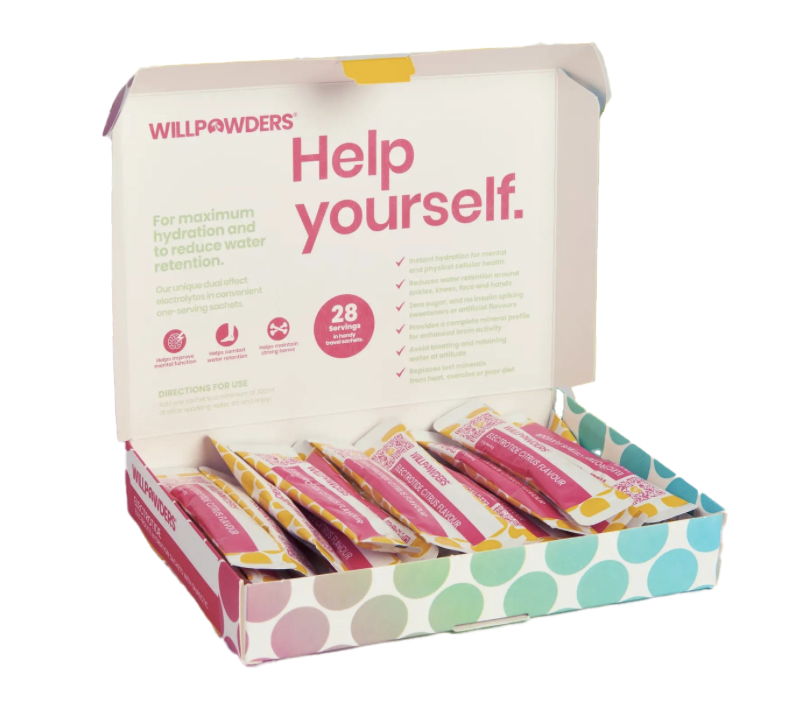
Willpowders ElectroTide (£35, willpowders.com)
ElectroTide not only hydrates but helps eliminate toxins. Formulated with coconut water powder, it doesn’t contain any artificial sweeteners or added sugar – just debittered stevia, made from the stevia plant leaf and which is 300 times sweeter than sucrose.
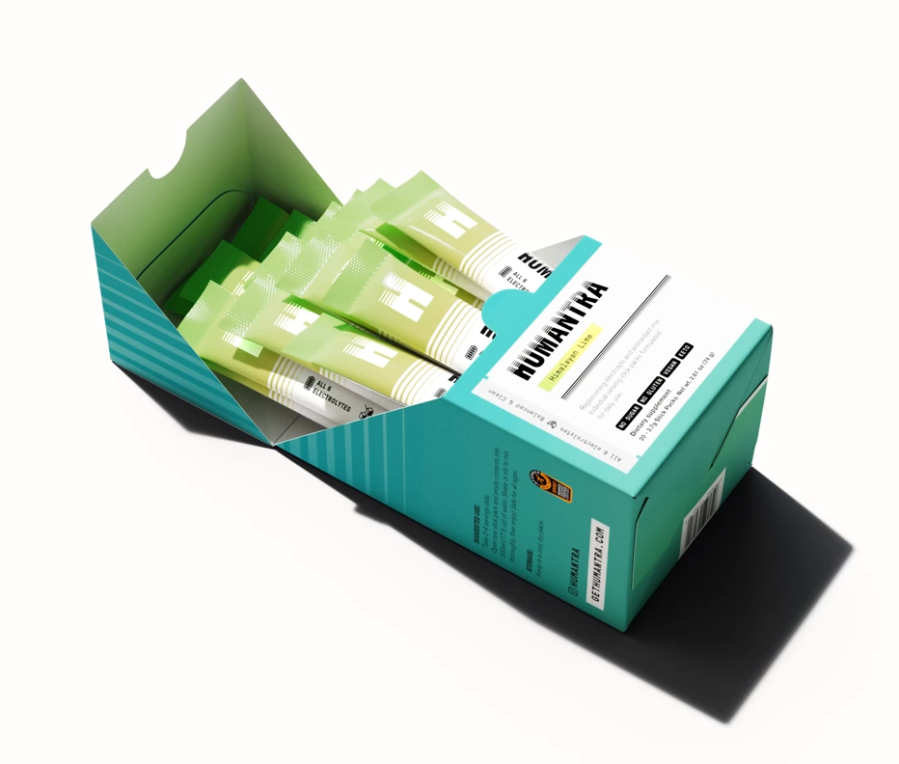
Humantra Himalyan Lime (£28 for 20 servings, humantra.co.uk)
Zesty and zingy with a zero-salty aftertaste, this refreshing antioxidant drink contains six essential electrolytes – sodium, potassium, magnesium, calcium, chloride and phosphate – as well as vitamins C and B12 to support your immune system and fight fatigue.
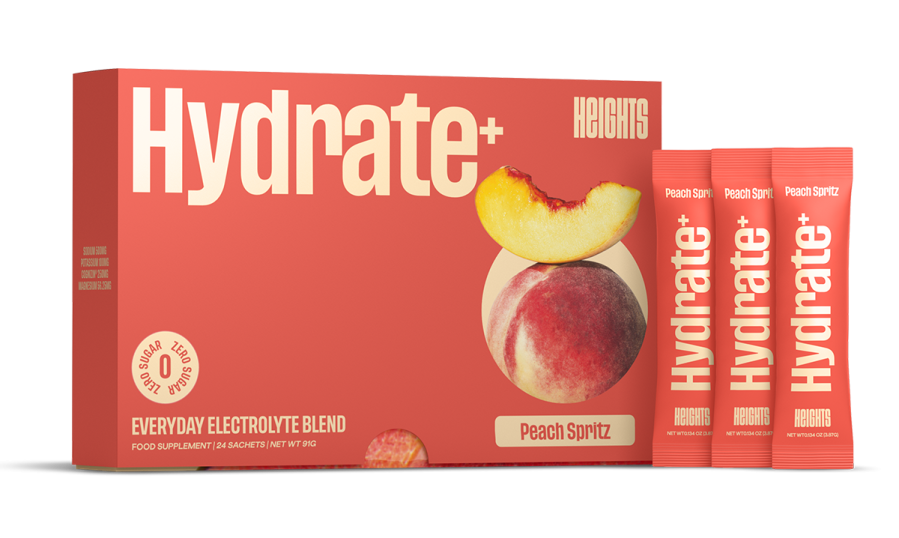
Heights Hydrate+ Peach Spritz (£29 for 24 servings, heights.com)
This delicious zero-sugar peach-flavoured drink contains Cognizin® citicoline to help support mental performance and focus, as well as naturally sourced electrolytes, including magnesium from sea minerals and Himalayan salt. A great one for body and brain.

Puresport Ultra Electrolytes Watermelon Salt (£33 for 30 servings, puresport.co)
Designed for optimal hydration during physically demanding activities, this sugar-free formula has a subtly salty yet refreshing taste that delivers a science-backed ratio of electrolytes, including 1,000mg of sodium, plus potassium, magnesium and tri-calcium.
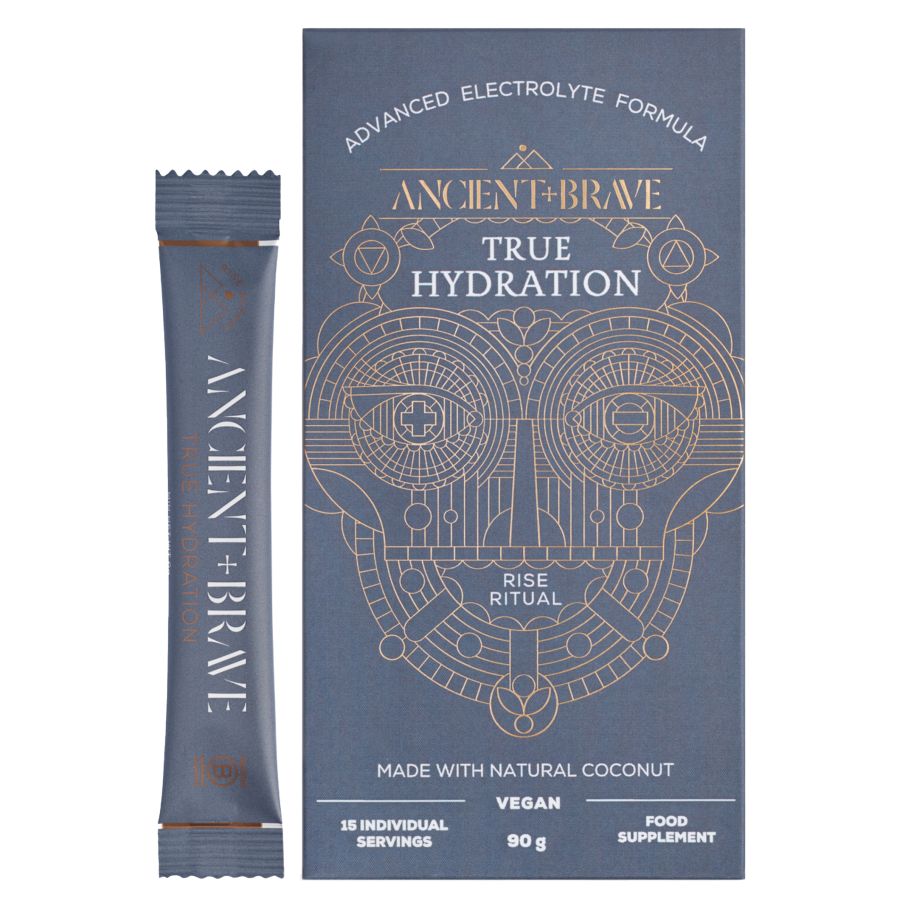
Ancient + Brave True Hydration (£19.20 for 15 servings, ancientandbrave.earth)
This refreshing formula is inspired by the natural electrolytes found in coconut water for rapid rehydration. Added chromium contributes to the normal maintenance of blood glucose levels while prebiotic fibre helps to nourish a healthy gut microbiome.