

Registered nutritionist Rob Hobson shares the nutrients, lifestyle tweaks and food swaps that can help you wake up your energy this spring
By the end of March, the dark mornings, endless deadlines and early evenings can leave even the most energetic of us feeling like we’re dragging our feet through treacle. But with a few smart nutritional choices, you can put some spark back into your system and spring through April-June feeling brighter and stronger.
Vitamin B12: the spark plug of energy
‘Vitamin B12 is essential for red blood cell production and energy metabolism,’ says Rob. ‘If your levels are low in the first few months of the year, you’ll feel wiped out, foggy and flat.’
At risk? Vegetarians, vegans, older adults and anyone on certain meds like metformin or reflux drugs.
Foods to try: smoked salmon blinis, pâté, eggs in festive mini quiches, or even fortified plant-based eggnog.
Iron: Oxygen for every cell
Iron is the mineral that literally fuels your body by carrying oxygen to every cell. ‘Low iron is one of the most common causes of persistent fatigue, especially for women,’ explains Rob.
Foods to try: beef or lamb skewers, turkey dishes, lentil salads, spinach with citrus dressing.
Magnesium: calm energy
‘Every molecule of energy in your body needs magnesium to work properly,’ says Rob. Low levels are surprisingly common, especially in winter when stress and alcohol deplete reserves.
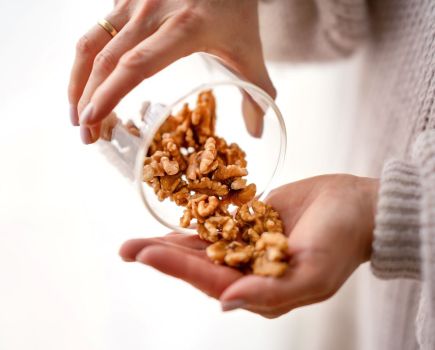
Foods to try in the new year: bowls of mixed nuts at parties, wholegrain breads or crackers on canapé platters, dark chocolate (70%+ cocoa) desserts, and leafy green side dishes.
Vitamin D: sunshine in the dark months
We can’t make vitamin D from sunlight in the UK between October and March. ‘A supplement is essential through the winter,’ advises Rob. Low levels are linked to fatigue, low mood and weaker immunity.
Foods to try: salmon or mackerel canapés, mini egg muffins, or fortified plant milks in festive coffees.
Ubiquinol: the cellular powerhouse
Ubiquinol, the active form of CoQ10, lives inside your mitochondria – the tiny engines in every cell. ‘Levels naturally decline with age, so supplementing can help with stamina and recovery,’ says Rob. Think of it as recharging your body’s batteries.
Foods to try: oily fish, nuts, spinach. For therapeutic doses, consider supplements. Try Ubiquinol Max (£45.99, healthspan.co.uk).
Seasonal survival tips
- Don’t skip meals: Have a protein-rich breakfast to stabilise blood sugar.
- Hydrate between drinks: Alternate wine with sparkling water.
- Snack smart: Swap crisps for nuts or roasted chickpeas.
- Plan recovery meals: Think lentil soup, bean chilli or salmon with greens.
- Go easy on refined carbs and heavy fried snacks that zap energy.
Try this: Keep an “energy diary”. Track how you feel (from 1–10) daily and note food, sleep, alcohol and stress. Over time, you’ll see patterns in what really fuels you – and what drains you.