
A TikTok wellness trend is promoting age-old practices and winning millions of supporters. Welcome to the ‘becoming Chinese’ viral movement
If you were caught in a January Blues doom scroll, you may have come across a movement that’s managed to take hold of the TikTok wellness landscape – and its telling everyone to turn Chinese.
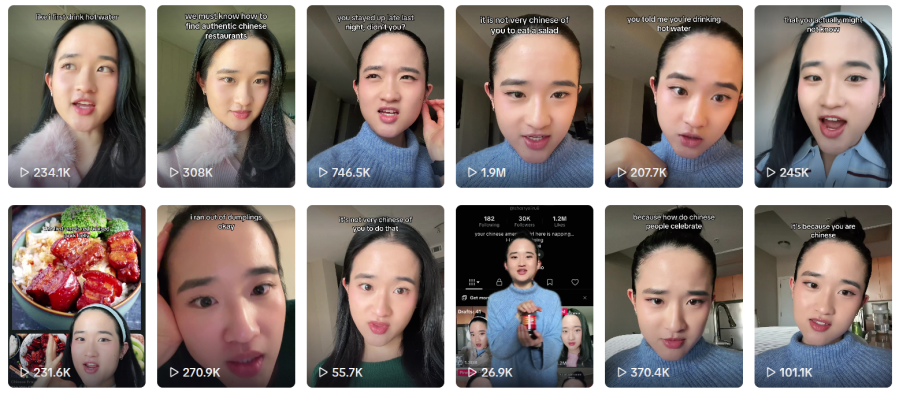
First catching wind after self-proclaimed “Chinese baddie” Sherry Zhu (@sherryxiiruii) posted a video telling viewers, “Tomorrow you are turning Chinese”, the viral hit jokingly recruited non-Chinese wellness fans to adopt practices like drinking bone broth and doing lymphatic exercises in a bid to popularise Chinese health practices. Since then (and about 3 million views later), #becomingchinese has taken the Zillenial wellness landscape by storm.
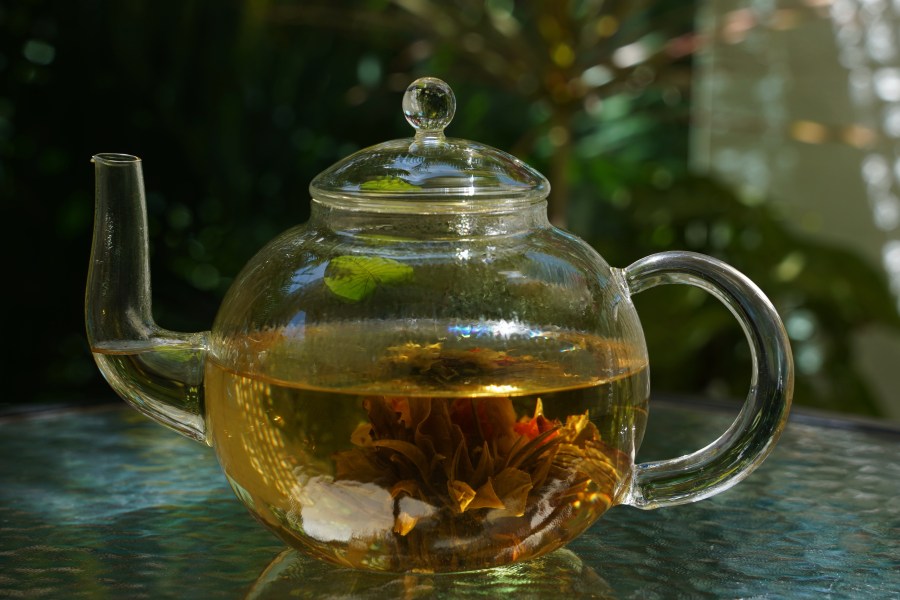
From drinking hot water first thing in the morning to eating congee and wearing house slippers, wellness fans are being introduced to the benefits of Traditional Chinese Medicine (TCM) through a daily scroll – and our guts can only thank us.
According to TCM practices, the harmony of the digestive system is seen as central to maintaining the body’s overall balance, and prioritising digestive health helps enhance the function of our immune system – almost acting like a second brain.
But alongside its anti-ageing properties, the ability to alleviate stress and anxiety, address chronic pain and target blood pressure, it’s the benefits of TCM on digestive health that has given #becomingchinese the green light for health newbies – and it’s clear why.
Accessibility
These practices are already a lot more accessible than the western health trends that have dominated the social media landscape up to this point (think – intensive 7-step skincare routines, elaborate breakfast bowls and those pesky ‘5 to 9’ morning schedules).
Tech writer Olivia Poh says, “Practices loosely adapted from Traditional Chinese Medicine are making a comeback as a reaction to hyper-popularised western wellness trends like 5 a.m. starts, cold plunges and Pilates routines. Instead of pressure to do more, these are self-care steps aimed at relieving the burden that everyday life imposes on us.”
“The barriers to entry are low – everyone has apples and water at home, slippers are easy to buy, and no equipment is needed for qigong, just your own body,” adds Chinese beauty writer Maggy Shui.
“This new interest in TCM may be an inevitable progression of existing beauty and wellness trends that already stem from TCM, like gua sha, acupuncture and eating your skincare. However, they ultimately have aesthetic goals in mind. The new interest in TCM feels like a welcome, and accessible, deviation from this,” she says.
Community
And not only is the trend allowing the western health scene to explore how it feels to be more in touch with their immune system, it also might be a sign that they are looking to feel part of something much greater.
Creator of anthropology channel AnthroDorphins, Caroline Ying Ouellette recently shared a video saying, “It’s ironic but it’s also weirdly sincere.
“Little clips of (China’s) social life almost looks utopian compared to American burnout. They’re engaging with a hyperreal China, a symbolic version that absorbs everything Americans fear that they’re losing: community, structure, competence, limits, cultural continuity and care for elders.”
And it’s no wonder – TCM emphasises emotional balance as essential for overall health, seeing its practices as ways to foster emotional resilience and harmony (which is something that goes fairly unnoticed in a hyper-independent clean-girl 5 am Pilates routine).
Chinese identity
What’s more, these wellness practices are clearly labelled and identifiable as Chinese, and those popularising the movement can create content that shows off their culture – making something instantly recognisable as Chinese for those not so familiar with it.
“Creators aren’t rebranding it as Korean or Japanese, or retrofitting it into a framework western audiences already recognise. In many cases, they’re doing the opposite, offering explanations and bits of history alongside the routines,” says Olivia.
But Chinese health practices are more than a hashtag – and looking after your health the TCM way shouldn’t just be a trend.
Wired reporter Zeyi Yang made a point that having a ‘Chinese time’ in life is more than likely a phase for most followers of the practice, just as people might become Mexican or Indian next month.
“Meanwhile,” he says, “some of us are stuck being Chinese forever, including all the less fun parts that come with it.”
But as China was ranked second in the 2025 Global Soft Power Index (placing it ahead of the UK for the first time), and hate comments against China on social media have reportedly decreased by about 90% in the last few months, it’s clear that China is entering a landscape that is exposing it’s culture to those who want to celebrate it – and as we are weeks away from entering the Year of the Horse, embracing wellness through a Chinese lens seems like the best way to start it.