
Could sleeping under a weighted blanket help reduce anxiety and stress? We look at the science behind using a weighted blanket for anxiety
Words: Ruby Deevoy | Images: Shutterstock, various brands
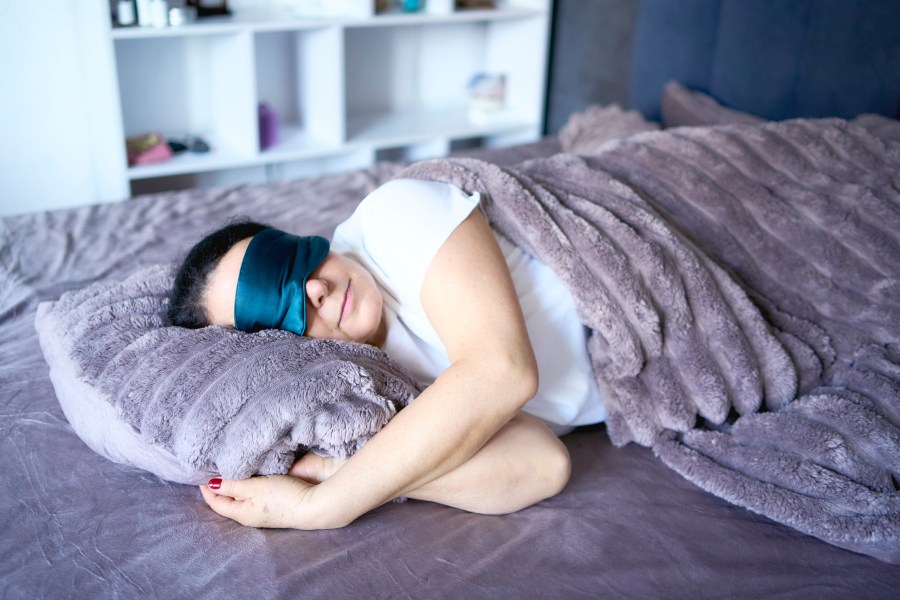
While metaphorically speaking you might want to “take the weight off your shoulders” in order to relax and calm down, turns out some weight – not only on your shoulders but your whole body – can be a good thing. Enter weighted blankets. They first began emerging around 2017 at various health shows but now have become more mainstream and are sold by numerous sleep-based brands.
Lying compressed under a blanket may not sound particularly soothing, but many do attest to the anxiety-relieving properties of doing so, as well as experiencing deeper sleep, elevated mood and even respite from some of the more challenging symptoms of conditions such as ADHD, autism and even menopause.
And it’s not just anecdotal. There is science behind why weighted blankets have become popular not only in homes but in some therapy clinics. But how do weighted blankets improve the health of both body and mind?
Several studies were conducted in 2020 and 2021 exploring the purported benefits of these heavy coverings; they found that, across the board, they do indeed appear to help with a number of health issues. In one study, performed by Swedish researchers, it was established that weighted blankets improved sleep in people with major depressive disorder, bipolar disorder, generalised anxiety disorder and ADHD. After four weeks of use, participants in the study also found they experienced less depression, fatigue and anxiety during the day. This was echoed in a further three studies that found using a weighted blanket at night helps both adults and children – with and without autism spectrum disorder or ADHD – fall asleep, stay asleep and relax more during the day, with less anxiety and a happier disposition.
‘According to the Mayo Clinic, using a weighted blanket can improve your mood as the weight increases the production of the feel-good hormone oxytocin and decreases the stress hormone cortisol – both of which can have a significant impact on your sleep,’ says Martin Seeley, CEO and sleep expert at Mattress Next Day (mattressnextday.co.uk). ‘Using a weighted blanket as part of your self-care routine can positively impact your autonomic nervous system.
‘When the nervous system is overactive, it can lead to anxiety and hyperactivity, especially at bedtime when you finally stop moving for the day. However, using a weighted blanket in the afternoon or at bedtime helps put your nervous system into rest mode, and slows down your heart rate,’ adds Martin.
Reducing anxiety
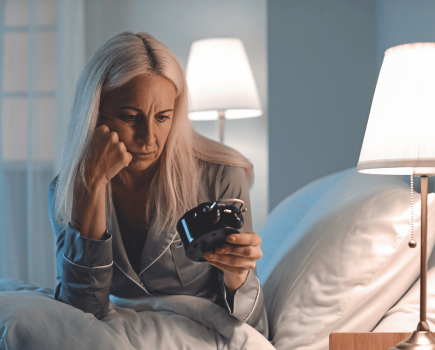
As anxiety, low mood and sleepless nights are often more prevalent during menopause, you may be wondering whether using a weighted blanket could work for you. Another aspect of weighted blankets that may directly benefit women going through menopause is the fact that they stimulate the release of serotonin – a chemical in the body that is naturally depleted during this stage
in life, triggering many common menopause symptoms.
If you’re suffering from hot flushes or night sweats, though, an extra heavy layer might well be a cause for concern! However, many women find that by lowering their anxiety and also having sleep that’s more restful, with less tossing and turning, these issues become less of a problem – so the weighted blanket could actually help. One study, which assessed 233 women for 14 years, found those with anxiety were three times more likely to experience hot flashes during menopause.
Choosing the right blanket is important. If you overheat at night, consider the fabric of the blanket. Synthetic fibres tend to trap heat and are not breathable. Bamboo or silk are thermoregulating so help to regulate body temperature. Failing that, opt for cotton and use the blanket instead of your usual duvet, not as well as. It’s also important to choose the right weight. ‘Try to find one that is 10 per cent of your body weight to reap the most benefits,’ says Martin.