

Hormone doctor Dr Sohére Roked provides her insights and advice on menopause, and the lifestyle guidance from which we can all benefit. Plus, she shares her must-read and must-listen picks for getting to know this stage in your life!
Words: Dr Sohére Roked. Images: shutterstock.
While I believe HRT can be a powerful tool for many women, I also know from both clinical experience and personal insight that it’s not the whole picture. Our hormones don’t exist in isolation – they’re influenced by our stress levels, sleep, nutrition, gut health, and how we move our bodies. That’s why I believe lifestyle changes are just as important as HRT.
By supporting the body with nourishing food, movement, rest and emotional wellbeing, we create the foundations for hormone balance. Whether you’re taking HRT or not, these lifestyle strategies are essential for long-term vitality and feeling like yourself again.
There’s growing evidence that certain lifestyle changes can make a significant difference to how women experience menopause, helping to ease symptoms like hot flushes, sleep issues, brain fog, mood changes and weight gain.
Small, consistent changes make the biggest difference. It’s not about being perfect but about giving your body and brain what they need to feel supported during this powerful transition.
Here are some of the most well-supported interventions:
Good nutrition
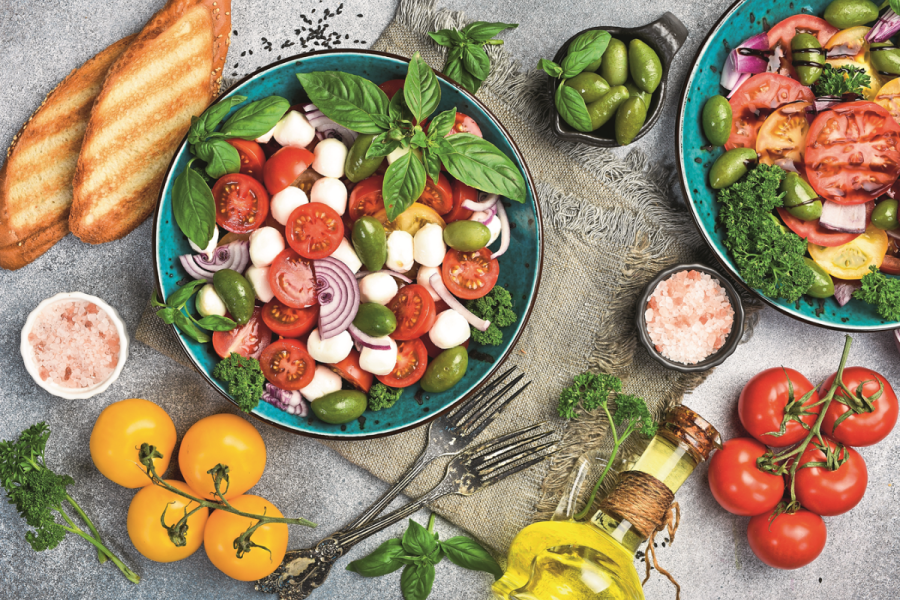
A Mediterranean-style diet with lots of vegetables, fruits, whole grains, legumes and healthy fats (like olive oil) is shown to reduce inflammation, support heart and brain health, and help manage insulin sensitivity – all crucial in menopause.
Phytoestrogens, in soy, flaxseeds and legumes, are plant compounds that can have mild oestrogen-like effects and may help with hot flushes and bone health. Limit alcohol and ultra-processed foods as these worsen symptoms like anxiety, night sweats and fatigue. Try supplementing with vitamin D and calcium for bone health, and omega-3 fatty acids for mood, inflammation and brain health.
Exercise
Strength training helps prevent muscle loss, supports metabolism, improves bone density, and also supports mood. Cardio activity such as walking, dancing, swimming or cycling boosts heart health, brain function, and reduces anxiety and depression. Yoga and Pilates both improve flexibility, core strength and support your nervous system regulation and stress resilience.
Stress & Sleep
Cognitive Behavioural Therapy (CBT) has been shown to improve sleep and mood, and reduce the frequency of hot flushes. Mindfulness, meditation, deep breathing, journalling and time in nature all help reduce raised cortisol levels, which can disrupt hormone balance further. Prioritise consistent sleep and wake times, and reduce screen use before bed. Take magnesium bisglycinate before bed or in the evening as this helps your muscles to relax and is needed for around 300 functions in your body.
Books and podcasts
There are some excellent books and podcasts that offer empowering, evidence-informed support for navigating menopause, whether you’re approaching it naturally or considering all your options. These are some I recommend…
Books to check out…
• The Menopause Manifesto, by Dr Jen Gunter is a bold, evidence-based and feminist guide to menopause by a gynaecologist who tackles misinformation head-on.
• Next Level by Dr Stacy Sims focuses on exercise, nutrition and performance specifically for women in perimenopause and menopause. Ideal if you’re active or want to be.
• Hormone Repair Manual by Lara Briden is a gentle but science-backed look at hormones in your 40s and 50s, from a naturopathic doctor. Great if you want non-HRT strategies.
• Cracking the Menopause by Mariella Frostrup and Alice Smellie is a well-researched and accessible overview with interviews from a range of experts. Friendly, digestible, and a good all-rounder.
Podcasts worth a listen…
• On Health by Lara Briden is a short and informative podcast tackling topics such as PCOS, perimenopause and natural hormone balancing.
• The Dr Louise Newson Podcast, with one of the UK’s leading menopause experts, covers HRT and non-HRT strategies with a strong evidence base. The Liz Earle Wellbeing Show covers nutrition, wellness and midlife health. Often includes expert guests.
• The Happy Menopause with Jackie Lynch focuses on nutrition and lifestyle approaches for midlife health and interviews a range of interesting guests.
• It’s Your Hormones! by Dr Sohère Roked (yes, me!) is a chat each week with a patient or guest to hear their personal story of how their hormones affect them, the treatment that helped and, most importantly, what you can do if you’re facing a similar challenge. My approach integrates body, mind and soul, so I hope you find these conversations insightful.
• Wiser Than Me with Julia Louis-Dreyfus, while not strictly menopause-focused, is full of wisdom from older women, including reflections on ageing, self-worth and vitality.
Dr Sohère Roked is a GP, functional medicine and hormone doctor, specialising in bioidentical and body identical hormones. Book an appointment at Omniya Clinic (omniya.co.uk) or an online consultation. Visit drsohereroked.co.uk, or follow her at @drsohere_hormonesandhealth. Check out her podcast, It’s Your Hormones, plus her book The Tiredness Cure (£10.99, Vermilion).