

Advertorial promotion
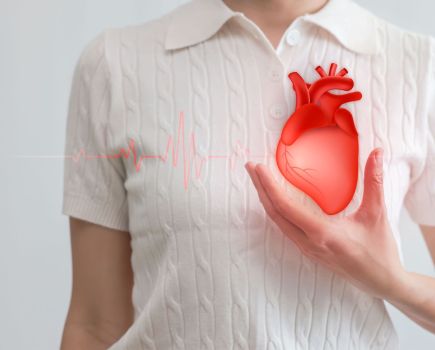
Most of us recognise that nervous, fluttery feeling in the stomach during stressful moments. Whether it’s a busy period at work, emotional pressure or a looming deadline, stress can show up physically – particularly in the digestive system. This happens because stress and anxiety can disrupt the delicate balance of digestion, triggering a range of symptoms including acid reflux and heartburn.
The gut and brain are closely connected and constantly communicate with one another. Emotions such as stress, anxiety and excitement can all influence how the digestive system behaves. In some people, stress slows digestion, while in others, it speeds things up. From constipation to dashing to the loo, indigestion, a loss of appetite, stomach cramps and nausea, these can all be knock-on effects of the stressful emotions we are feeling.
What is acid reflux?
A common digestive symptom, acid reflux is the main cause of heartburn. It occurs when stomach acid travels upwards into the oesophagus, causing a burning sensation in the chest. It can also make you feel sick and bloated, and leave you with an unpleasant sour taste.
The stress-heartburn connection
Stress can be a trigger for acid reflux, as it’s thought to make your digestive system more sensitive and reactive. When you’re under pressure, your body’s stress response can affect how much stomach acid is produced.
And some experts believe anxiety may relax the muscle that connects the stomach and the oesophagus, which keeps acid where it belongs – making heartburn more likely.
Over time, stress can also aggravate existing digestive conditions, such as gastrooesophageal reflux disease (GORD), which is a condition caused by frequent heartburn.
Occasional heartburn is common and, alongside stress and anxiety, there are other causes such as food and drink triggers.
How to support your digestive system in times of stress
Simple lifestyle measures can help to reset the stress-stomach cycle. Regular exercise, relaxation techniques such as breathing exercises, and taking time to unwind can all support emotional wellbeing, ease stress and help to improve digestive system issues such as heartburn.
Other lifestyle changes to help reduce heartburn or stop it all together include eating smaller meals more frequently, avoiding the trigger foods you know can cause acid reflux symptoms, and not eating late at night.
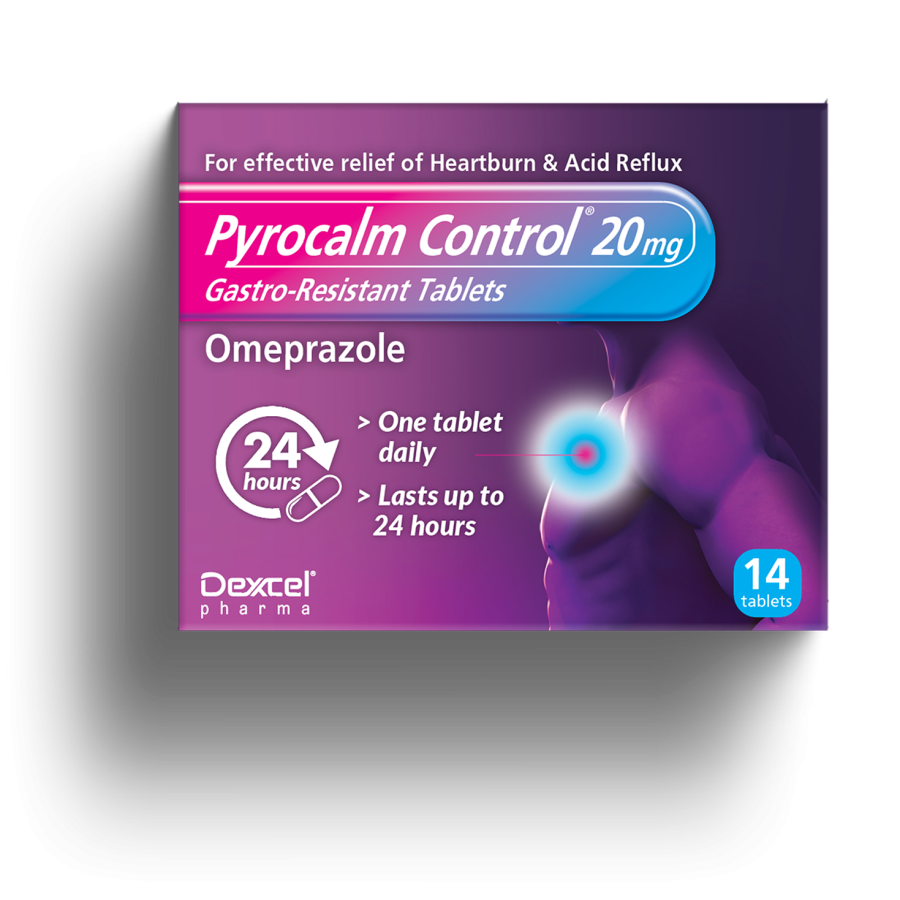
Try Pyrocalm Control
If lifestyle and dietary changes aren’t helping to improve your symptoms, speak to your pharmacist who can advise on treatments such as omeprazole, a proton pump inhibitor (PPI) which helps to reduce the amount of stomach acid. Pyrocalm Control is the first branded 20mg omeprazole available over the counter that provides up to 24-hour confidence in heartburn control. Available in packs of 7 and 14 at pharmacies and supermarkets. Find out more at pyrocalmcontrol.co.uk.
Pyrocalm Control 20mg Gastro-Resistant Tablets (omeprazole) are used in adults for the short-term treatment of reflux symptoms (e.g. heartburn, acid regurgitation, acid reflux). Always read the label.