
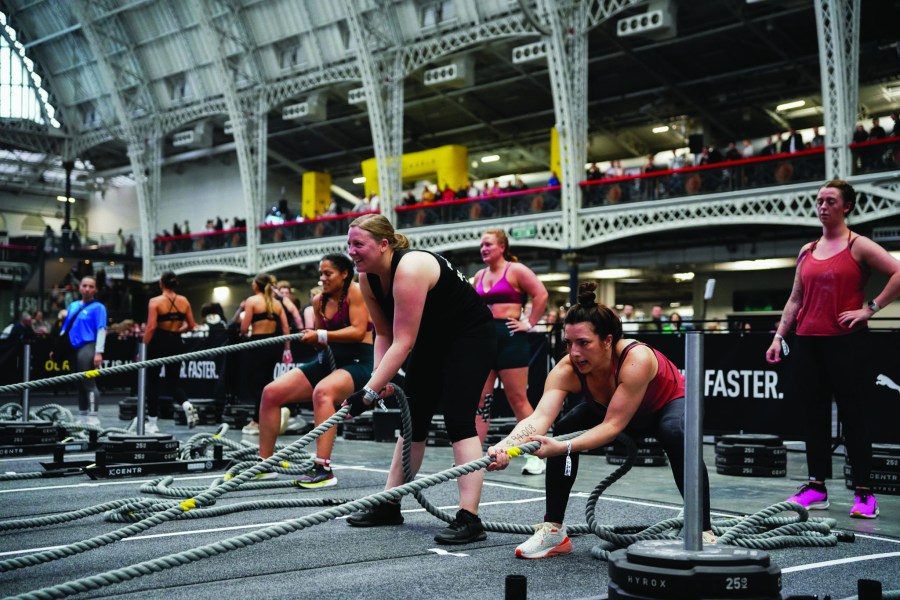
The future of fitness has arrived! Here are the top workout and wellbeing trends for 2026 that’ll soon be shaping your body, mind and soul…
The year 2025 was a strong one for anyone interested in fitness. It saw the rise (and rise) of reformer Pilates, HYROX and hybrid exercise went even more viral, and there was a growing obsession with recovery fitness activities such as contrast therapy and compression boots – and these things show no signs of slowing down in 2026. But there are some new fitness players in the exercise game – AI workouts are set to take centre stage, new recovery methods are coming to the fore and plenty of us will be heading overseas to challenge our fitness mettle. Read on to discover what else will be hot over the next 12 months.
Stretch sessions
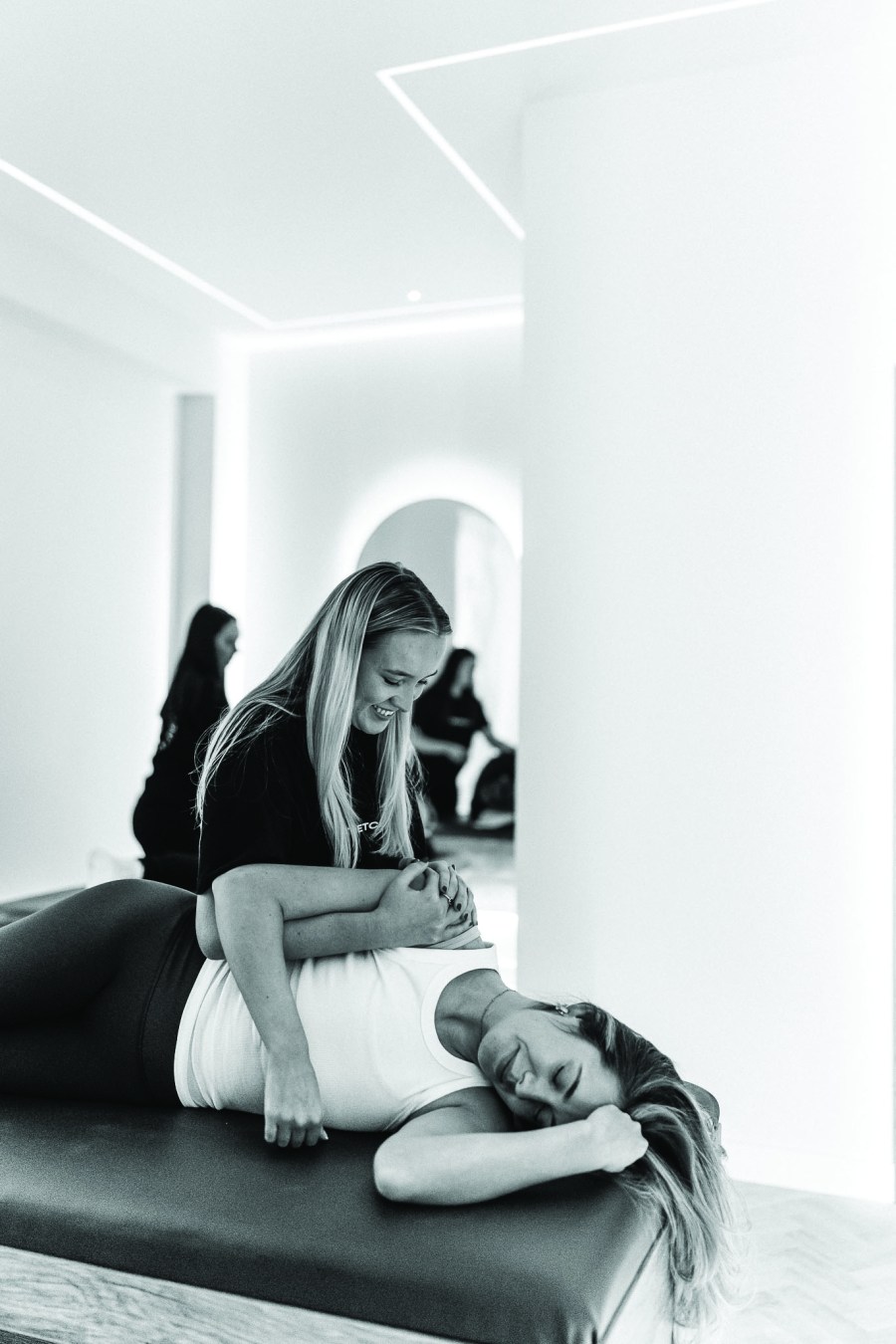
With flexibility rating so highly (number five) on the American College of Sports Medicine’s (ACSM) 2026 Fitness Trends list, and recovery exercise still very much on our fitness radar, it’s no wonder that assisted stretching has exploded in popularity. Indeed, industry reports suggest an annual growth rate of more than 20 per cent for businesses offering stretch services. Already a hit overseas in America and Japan, you can expect to see more assisted stretch therapies popping up in the UK in 2026. Top of our list is the one-to-one assisted studio Stretched (stretched.uk), which now has locations in Manchester, Glasgow and Edinburgh. Each session begins with a full-body mobility assessment, using Stretched’s state-of-the-art motion analysis technology. Then comes a series of one-to-one, full body stretches with one of Stretched’s expert ‘stretch therapists’, who are trained in-house through the Stretched Academy.
‘We’re seeing a real demand for mobility-focused services,’ reports founder and clinical director Craig McHugh. ‘Good mobility is the foundation of healthy movement, and we are excited to bring the power of assisted stretching to Manchester – and beyond.’ Prices start at £40 for an express 25-minute session or £70 for a full-body 50-minute session with a mobility scan, plus group bookings are also available. Watch this space.
Exercise as therapy
If you’ve ever danced around your kitchen to shake out some stress or shadow boxed to produce a little pre-workout pep, you’ll know just how therapeutic moving your body can be. This perhaps goes some way to explaining why exercising for mental health is rising in importance (it’s number six on the ACSM’s top fitness trends for 2026, rising from number eight in previous years). You can expect the mental health benefits to be a driving factor behind fitness programming in 2026, and we predict you’ll see a growing number of workout brands with therapeutic benefits at their core.
Take Erica Hornthal’s US-based Chicago Dance Therapy (chicagodancetherapy.com), for example, which uses body psychotherapy and traditional talk therapy to address a myriad of issues, from anxiety to sensory-processing disorders. A licensed clinical counsellor and board-certified dance/movement therapist, Erica (also known as the ‘Therapist Who Moves You’) says how you move on the dance floor reveals who you are in life – and more importantly, how you can evolve. Are you stuck in the corner, waiting for permission to move? Or are you the one who takes over the floor but doesn’t leave space for anyone else? According to Erica, these aren’t just dance styles, they’re life patterns, but through movement, you can rewire how you show up in relationships, careers and more. Sign us up!
Pilates as recovery
One of the most talked-about training trends of 2025, Pilates is evolving into a recovery routine that promotes core stability, improves flexibility, enhances muscle balance and supports joint mobility. Indeed, anecdotal evidence suggests a growing number of fitness fans and trainers are considering the health benefits of Pilates by incorporating appropriate moves into recovery routines. ‘Pilates is emerging as a go-to method for restoring mobility, improving muscle balance and preventing injury,’ agrees Will Broome, director at Gym Equipment (gymequipment.co.uk). ‘With a range of styles, from accessible mat pilates to resistance-based Reformer, there is an option for every recovery need.’
Featuring low-impact moves that can enhance blood flow to muscles and help speed up recovery, Pilates’ focus on core alignment can also help prevent injury by improving movement patterns. ‘More structured approaches such as classical and Stott Pilates offer precise, rehabilitation-friendly movements grounded in breathwork and core alignment,’ adds Will. ‘Whether easing back into movement or strengthening the body for future training, Pilates provides a customisable path to recovery that’s both restorative and performance-enhancing.’
Connected conditioning
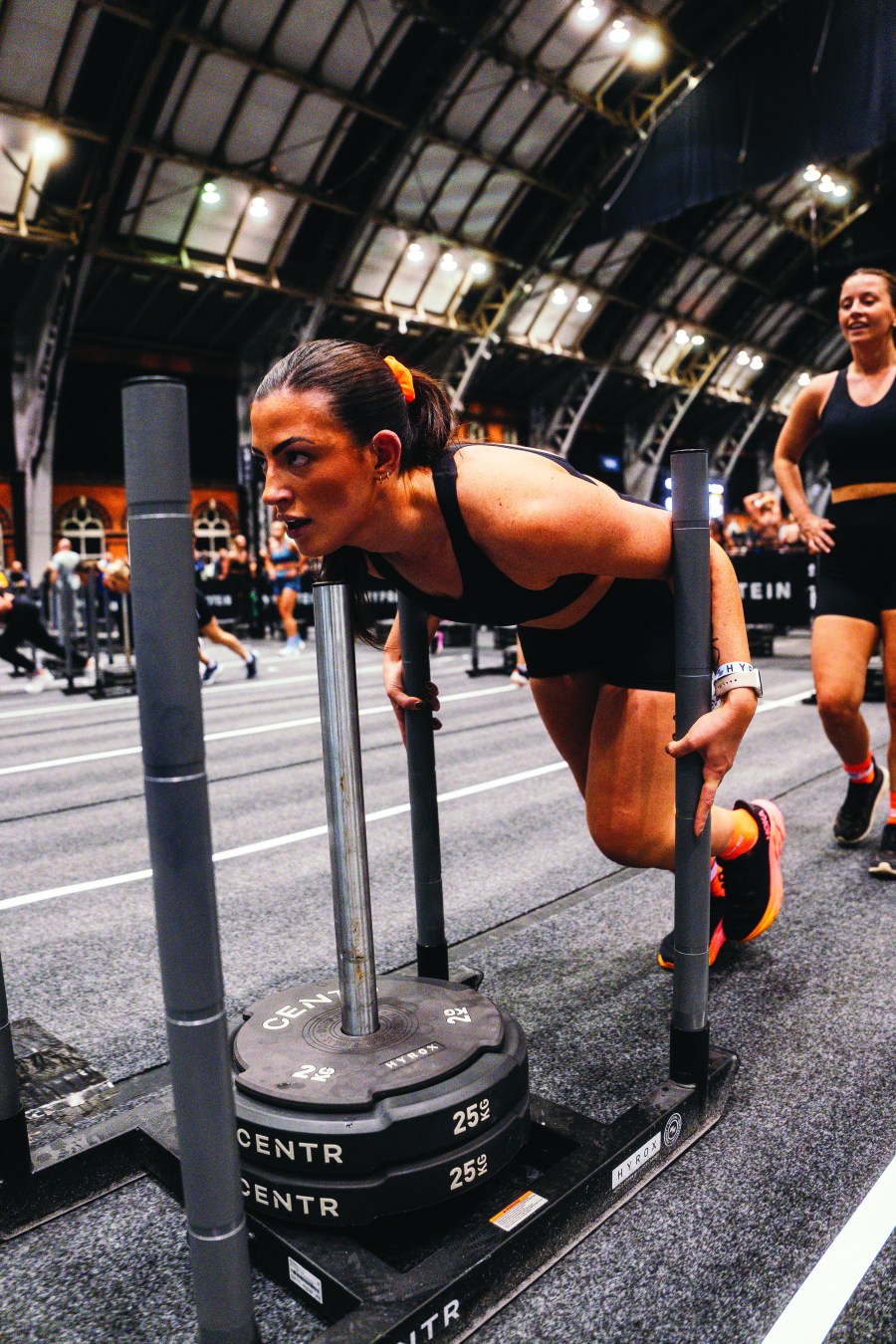
As an increasing amount of our lives play out online, fitness has come to the rescue with the antithesis of virtual living: connected conditioning, or the rise of exercise that encourages social connections. We’ve already seen it through hybrid sport, with many hybrid fitness competitions offering doubles/pairs or relay team options. In fact, according to hyroxuk.com, ‘the Doubles category has become the most popular format in HYROX races worldwide, with more than 50 per cent of competitors choosing to race as a team’. And padel, which hit participant figures of over 400,000 at the end of 2024, is well known for it’s social appeal and active community.
‘After years of hyper-individual goals, people are craving connection in person rather than online,’ says Celeste Blakey, founder of Revolt Cycling, London’s first sustainable Spin studio (revolt-cycling.com). ‘And 2026 will see fitness evolve into collective wellbeing – community challenges, local sustainability initiatives and cause-driven workouts that make movement meaningful.’
Watch this space for more running and walking clubs, even more hybrid competitions for teams and pairs, plus a growing number of community-focused workouts in the UK in 2026!
AI-powered training
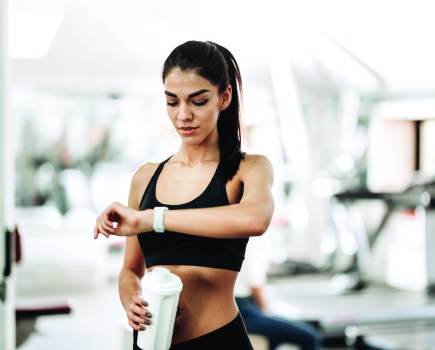
Unless you’ve been off grid, you won’t have missed the sudden increase in AI-driven training content. Whether it’s an AI training programme on your wearable that offers personalised plans or an AI-powered coaching app giving motivating notifications, the market is expected to blossom into one that could reach as much as US$43 billion by 2029.
Hot on the heels of this trend is forward-thinking home fitness brand, Peloton (onepeloton.com). ‘We’ve introduced Peloton IQ, an AI- and computer vision-driven intelligence centre for Peloton hardware and software,’ says instructor Ben Alldis. ‘It delivers personalised cardio and strength training with adaptive plans, progress tracking plus real-time insights.’ Already a Peloton member? You can benefit from this tech right now, as all members can receive personal guidance to support their fitness and wellness journey. But the most advanced features are available on the Cross Training Series Bike+, including real-time form correction, rep tracking and weight suggestions – all done with help from the movement-tracking camera on the Bike+.
‘Alongside this, the rise in tech is not slowing down,’ adds Will Pate, Third Space strength & conditioning master trainer (thirdspace.london). ‘More and more people are digging into the data that wearable techs now offer with their constant evolution. Ensuring that they are prioritising issues such as sleep, nutrition and wellness… AI is here and it’s not going anywhere.’
Alpine travel
Love to travelling? The good news is it’s destined to be a little bit active this year. That’s according to Travel Trends, the flagship annual report from leading travel app Skyscanner, which notes that travellers are heading to higher ground – not just for the ski season, but for serenity, too. Indeed, 71 per cent of travellers are planning or thinking about a mountain escape for summer or autumn 2026, so much so that hotel bookings using the ‘Room with a mountain view’ filter are up 103 per cent globally year-over-year.
Partnering with AllTrails to provide lists of the top summer hiking routes in the Northern and Southern hemispheres, the brand reveals that the Rob Roy Glacier Track in New Zealand and the Palm Jungle Loop Track in Australia are top of the list. But if you’re looking for something a little closer to home, why not join the 13 per cent of travellers who are considering visiting a lesser-known mountain range over a traditional one? Better pack those bags now, then!
‘After years of hyper-individual goals, people are craving connection in person rather than online’
Active ageing
The ACSM notes that the baby-boomer generation will be over 65 by 2030, so it makes sense that there’s a growing demand for age-appropriate exercise. Indeed, a significant number of older adults are very physically active, with data from Age UK’s Exercise & Physical Activity Survey 2025 reporting that almost half (45 per cent) of their respondents did daily exercise.
‘The year 2026 will be all about longevity-focused movement – programmes that incorporate more mobility drills, light power plyometric drills and strength training to better support everyday activities such as lifting, climbing stairs or even reducing fall risk,’ says Will. ‘There’s a stronger link between functional fitness and injury prevention. Trainers are integrating physical therapy techniques such as corrective exercises into mainstream fitness.’
With evidence linking regular exercise to a better quality of life in our later years, the focus here is on weighted work for strength maintenance, balance and mobility exercise to prevent fall risk later on and low-impact cardio for heart and respiratory health. It’s not just for older adults, but it is all in how you sell it: according to a 2024 industry report, programmes labelled ‘low intensity, ‘functional’, or ‘active ageing’ attracted more participants than those called ‘senior fitness’ – something to bear in mind if you’re a trainer!
Female-first fitness
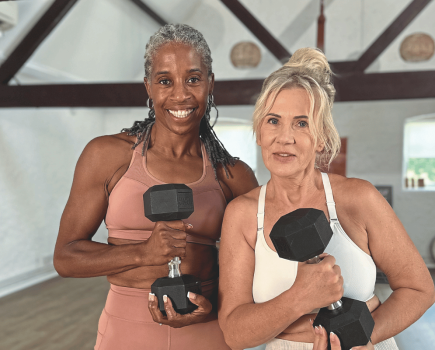
With the growth of data-driven exercise programming – more than 70 per cent of wearable users have reported applying their output data to inform exercise or recovery strategies, says the ACSM – there’s been an increasing amount of discussion around female-focused training approaches. This includes methods such as cycle syncing (mapping your training to the different stages of your menstrual cycle) and ‘meno fitness’ (exercise that supports the hormone changes associated with the peri/menopause). ‘Instead of pushing women into a one-size-fits-all model, training now aligns with fluctuating hormones, changing energy levels and physiological needs across different life stages,’ says Lucie Cowan, a Third Space master trainer. ‘It encompasses cycle-synced training, perimenopause- and menopause-specific programming, and female-focused recovery and nutrition support.
‘This shift is important because, for decades, women were encouraged to follow training plans that didn’t consider their biology. The result? Plateaus, burnout and unnecessary self-criticism,’ adds Lucy. ‘By embracing a female-first approach, we’re empowering women to work with their bodies rather than against them, helping them understand why certain workouts feel great during some weeks and exhausting in others.’
Expect to see more cycle-synced class programmes such as ‘High-Energy HIIT Week’ or ‘Deload & Mobility Week’, plus menopause-friendly strength, mobility and low-impact conditioning sessions to support symptoms including joint stiffness, sleep disruption and hot flushes. Your gym’s app might even sync with menstrual cycle data, perimenopause symptoms and recovery metrics to recommend tailored training plans.