

If you’re dipping your toe into the world of veganism this January (or, Veganuary), or perhaps have been on that path for years, you’ll find some helpful nutrition tips here from We Cook Plants, by the Made in Hackney collective.
Eat 9-10 Portions of Fruit and Vegetables per day
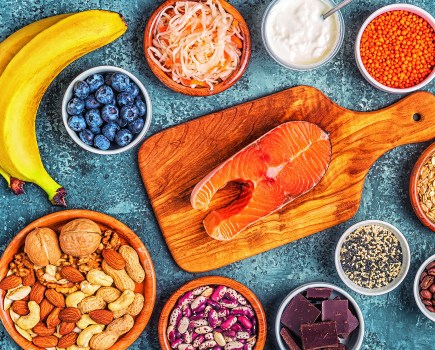
We know this sounds like a lot at first, but if you’re vegan or eating a predominantly plant-based diet, consuming a wide variety of whole plant foods this January is key. A portion is considered 80g – typically an adult handful. Five-a-day isn’t enough to truly thrive, and ideally (budget and access allowing) you’d cover five with breakfast and a mid-morning snack alone. Many experts are now recommending a minimum of 30 different plants a week, which may sound like a lot, but once you get into plant-based shopping and cooking, you’ll appreciate what a huge abundance of fruit and veg is out there. Remember: dried, canned and frozen fruit and veg count as well.
Count Colours, Not Calories
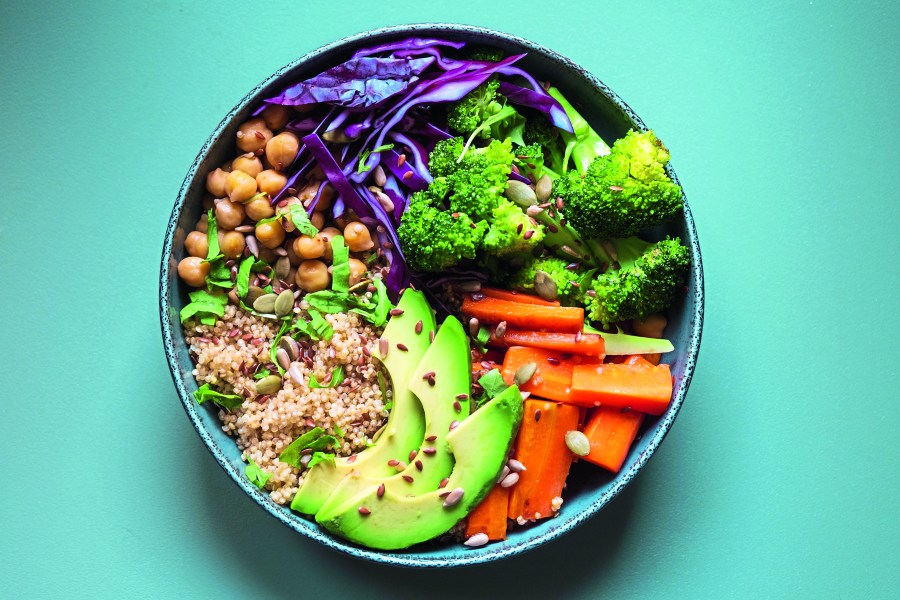
Different vitamins, minerals, polyphenols, antioxidants and other wondrous things are found in plant-based ingredients. Without becoming an ingredient geek, an easy way to get what you need is to ensure you eat a wide variety of different-coloured whole plant foods a day/each week – green, red, purple, orange, yellow – you get the picture. And sorry, rainbow cake doesn’t count!
Supplements: Take Them!
If you’re vegan or eating a plant-centred diet, it’s recommended you take vitamin B12 and D3 supplements and, if budget allows, an algae-derived EPA/DHA supplement is good too. Something like the Vegan Society’s Veg 1 or Viridian Vegan Essential Multivitamin will cover all your bases, except the EPA/DHA. Editor’s recommendation: Try Regenerative Omegas Ahiflower supplement for all your plant-based omega needs.
Experiment With Your Carbs
Wheat and potatoes are the most common sources of carbohydrate consumed in the UK, USA and across much of Europe. Your gut microbiome is much happier when you eat a wide variety of foods. So, diversify your carb intake this January by bringing in sweet potatoes, yam, brown rice, wild rice, quinoa, oats, millet, legume-based pasta, spelt flour, gram flour (chickpea/garbanzo flour), buckwheat, teff, barley, oatmeal, lentils and beans to your diet.
Up the Iron Absorption
To up your iron intake, you can pair vitamin C-containing foods – citrus fruit, berries, red and green peppers, broccoli, Brussels sprouts, cauliflower – with iron-rich foods such as lentils, nuts, tofu, spinach, kale, quinoa and oats. This doesn’t need to be anything fancy. It might look like a snack of tangerine and cashew nuts, porridge with strawberries or a squeeze of lemon juice on your greens.
Get That Protein
People tend to get very panicky about not getting enough protein, but there’s really no need. Soya (tempeh, tofu, edamame), beans and peas (black beans, kidney beans, chickpeas), lentils, oats, nuts and seeds, tahini, nutritional yeast and mushrooms are all good sources of plant-based protein. If you’re training seriously or you’re at an older age, you might want to consider a good quality protein powder made from pea, hemp, brown rice, soya or pumpkin seed to add to smoothies or your morning porridge this January.
Don’t Skip Breakfast this January
Breakfast eaters are shown to have better health outcomes and lower rates of disease. It doesn’t have to be complicated. Make porridge/oatmeal or muesli by mixing a variety of seeds, nuts, ground flaxseed and dried fruit with oats and decant into a tub for the week. Top with fruit such as banana, apple, blueberries or whatever takes your fancy.
Go Large
A wholefood vegan meal will generally need to be a bigger portion than a non-vegan meal, because a healthy vegan meal tends to be lower in fat and higher in high-water content ingredients than non-vegan meals. So, to fill up, feel sustained and be well nourished this January, you will find you need to eat more at mealtimes. If you’re doing a lot of exercise you’ll probably need more nutrient-dense snacks on hand like trail mix (a blend of tasty nuts, seeds and dried fruit) or edamame. Alas, the going large recommendation doesn’t apply to high sugar-, fat- and salt-containing vegan comfort food.
Daily Ferments
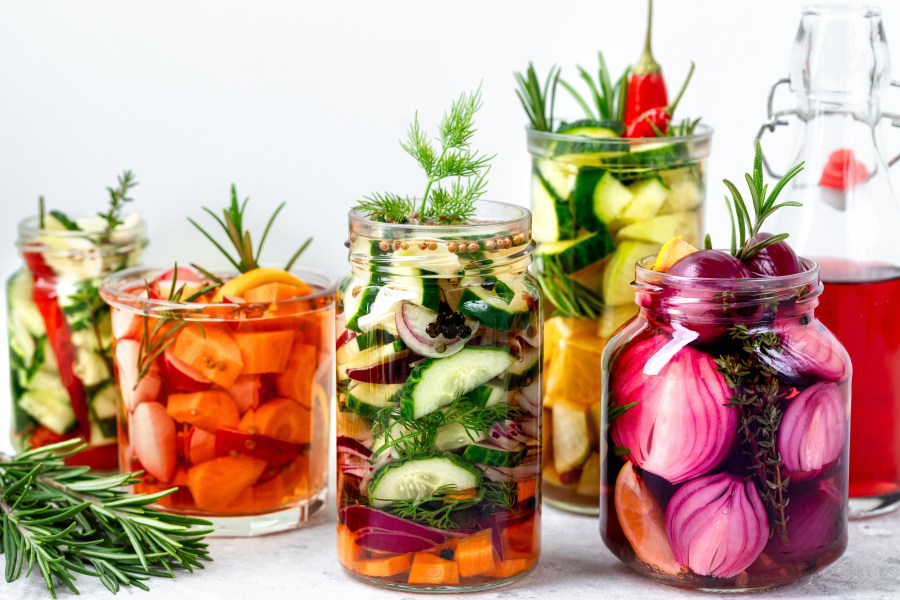
Try to work a serving or two of fermented foods into your daily diet to improve the health of your gut microbiome. Fermented foods can seem scary at first, but they’ve been eaten for thousands of years, so this isn’t a new food fad! Try sauerkraut, kimchi, fermented nut or seed cheese, garri (a West African dish of fermented cassava), homemade idli or dosa, or drinks like kefir and kombucha. Store-bought versions of these products can be pricey, so why not try making them yourself. (There are lots of recipes in the book.)
Remember Your Why
If you’ve decided to eat more plants for the planet, for the animals or your own personal health goals – remind yourself of this when you go off course. And don’t beat yourself up if you fall off the wagon – you’re a wonderfully imperfect human just like all of us. It can take a few weeks for your palate to change – so as time goes on you’ll crave animal products less and less, and and plants more.
Read the Label
When buying pre-made items (and we all need to from time to time), do read the label. Look out for high levels of salt, sugar and trans-fat (as opposed to the healthy fats in nuts and seeds), as well as industrially produced ingredients such as high-fructose corn syrup, flavour enhancers, artificial colours and sweeteners – as you should keep consumption of these types of ingredients to a minimum. Non-vegan ingredients such as whey powder and eggs find their way into cereal bars, curry pastes, muesli and crackers, so do check the labels.
Enjoy Your Food
This is a guilt-free/diet-free zone, unless to support a specific medical condition. Eating is a sensual act. Pleasurable. Satisfying. Comforting. It can conjure up memories of home, family, friends, culture and more. Try not to eat food on the go or in front of a laptop. Sit down, take your time, and truly enjoy. Food can be such an enriching interest – so try out new recipes and ingredients from different cultures. And don’t forget to chew your food properly rather than bolt it down! Your digestion will thank you.