

Medical herbalist Corin Sadler helps you get a great night’s sleep with these herbal remedies
Words: Corin Sadler. Images: Shutterstock.
If you’re struggling to get to sleep but are unsure about the various sleep medications on the market, a herbal remedy might be just the ticket to help you drift off. Below, Medical Herbalist Corin Sadler lists 5 of the best herbal remedies for a good night’s sleep — plus their other useful effects, too!
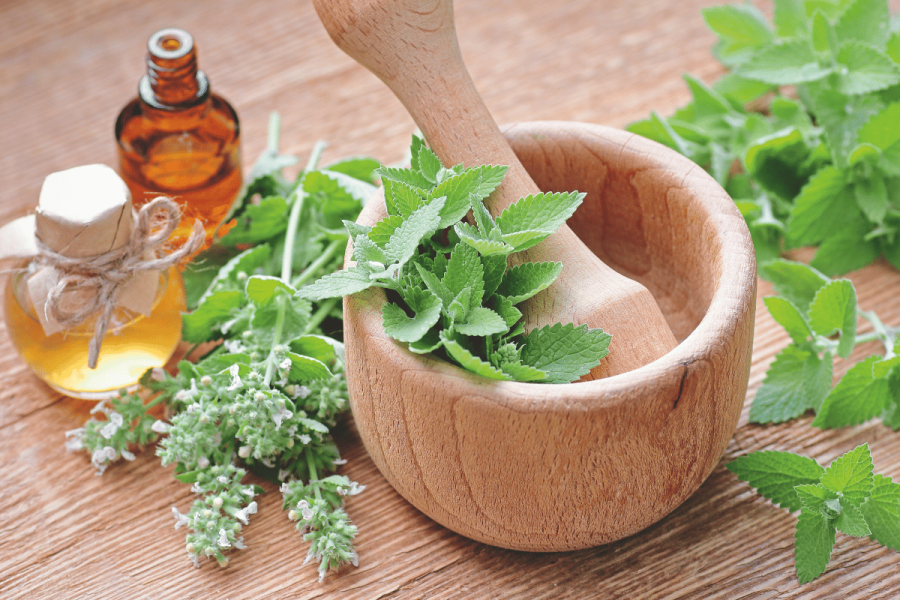
1. Lemon Balm
This commonly grown lemony-scented herb with tiny pinky-purple or white flowers has a restoring effect on the nervous system. Known as a nervine, or nerve tonic, it is not directly sedative but does help promote the inhibitory neurotransmitter GABA, which encourages feelings of calm, and can therefore be an excellent remedy for supporting sleep in general.
By helping reduce anxiety and feelings of stress and overwhelm, it makes us more likely to find falling asleep easier, but also improves the quality of sleep once we do drift off. It can be used in tincture form but is also great in combination with the amino acid L-theanine, which enhances its anxiety-reducing action. Lemon balm is also good for lifting mood.
Low mood is often contributory to poor sleep, making lemon balm an excellent choice for helping improve sleep if it is linked to mild depression.
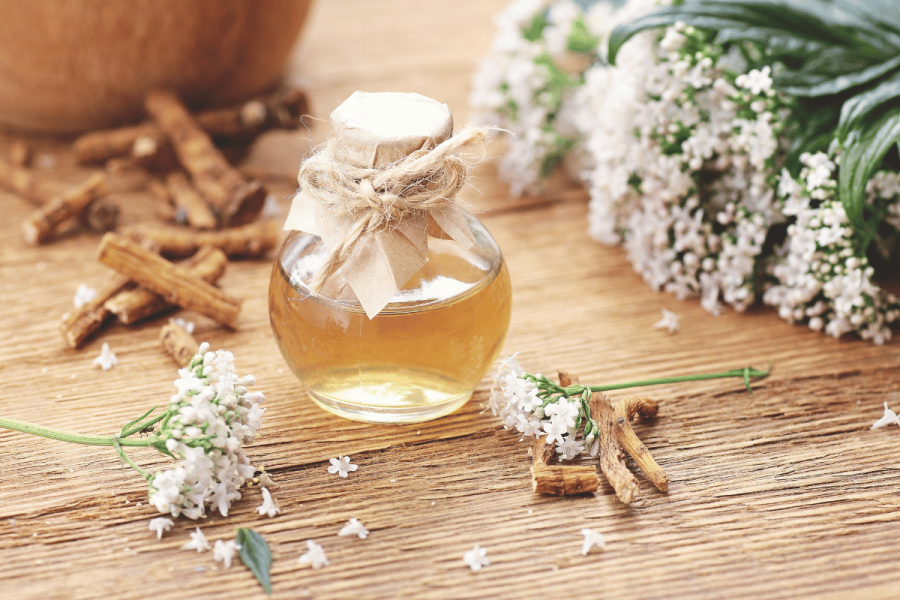
2. Valerian
The root of the valerian plant has been used for over 2,000 years as a sleep remedy. It has a characteristic pungent aroma and has a sedative effect on the nervous system. It helps relieve nervous tension and anxiety, reining in an overactive sympathetic nervous system, the part of the autonomic nervous system responsible for the “fight or flight” mechanism, which prepares the body to react to stressors.
As a “hot” herb that warms, it’s not always the first choice for those who feel they are more manic, highly strung or agitated as it can be too stimulating, in which case California poppy would be more suitable (see right).
For most people though, valerian can be an excellent sleep aid. Promoting the ability to get off to sleep, it also encourages good quality sleep and less sleep disturbance. These effects are linked to its volatile oil active constituents, also responsible for its aroma. Top Santé recommends: Organic Valerian 400mg, 60 capsules (£16.50, viridian-nutrition.com)
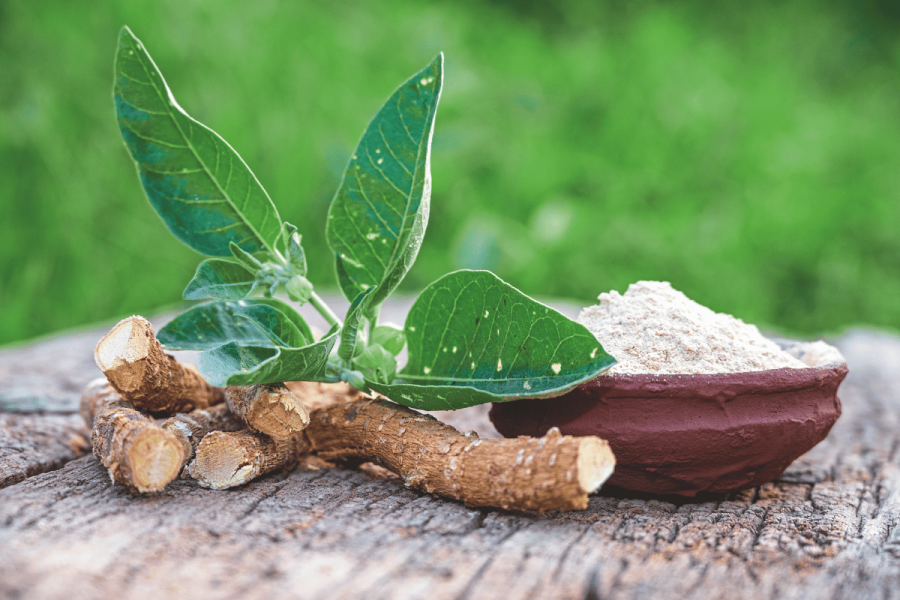
3. Ashwagandha
As a calming adaptogen, ashwagandha supports more than just stress and anxiety, it’s also a valuable choice for those wanting to promote restful sleep. This important ayurvedic herb is considered a nervine, working in part to soothe via the nervous system. It helps increase the body’s resilience to stress, which has an indirect effect on improving sleep.
Long-term stress often negatively affects sleep in a more ongoing way so ashwagandha is a good herbal ally for those who feel they are under constant pressure in their lives with sleep that suffers alongside.
It can be taken on an ongoing basis in this type of situation. Low mood or depression can similarly impact sleep. Long used as a tonic to increase vitality, ashwagandha is effective at lifting mood too, again helping to improve sleep. Studies show it improves sleep quality, and reduces the time taken to fall asleep.

4. California Poppy
In the same family as the opium poppy, this beautiful orange-flowered variety used by Native Americans has a gentle sedative and hypnotic action, rather than a narcotic one. It is an excellent choice for those who find their thoughts hard to switch off at bedtime to allow them to get off to sleep, or those who experience looping or excited thoughts.
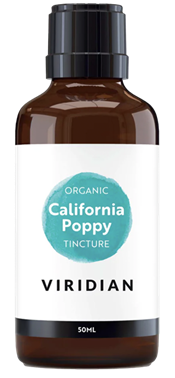
These types of looping thoughts perpetuate anxiety-driven insomnia. Its active constituents act on the GABA receptors, GABA being one of the calming neurotransmitters in the brain. In addition to its brain-calming action, it also helps relieve nervous tension in the muscles, helping the body to relax, allowing for more restorative rest.
Used in tincture form, it can be added to a calming herbal tea like chamomile and used as part of a calming bedtime wind-down ritual. It has a cooling and calming action that is perfect for sleep. Top Santé recommends: Organic California Poppy Tincture 50ml (£11.60, viridian-nutrition.com)
5. Hops
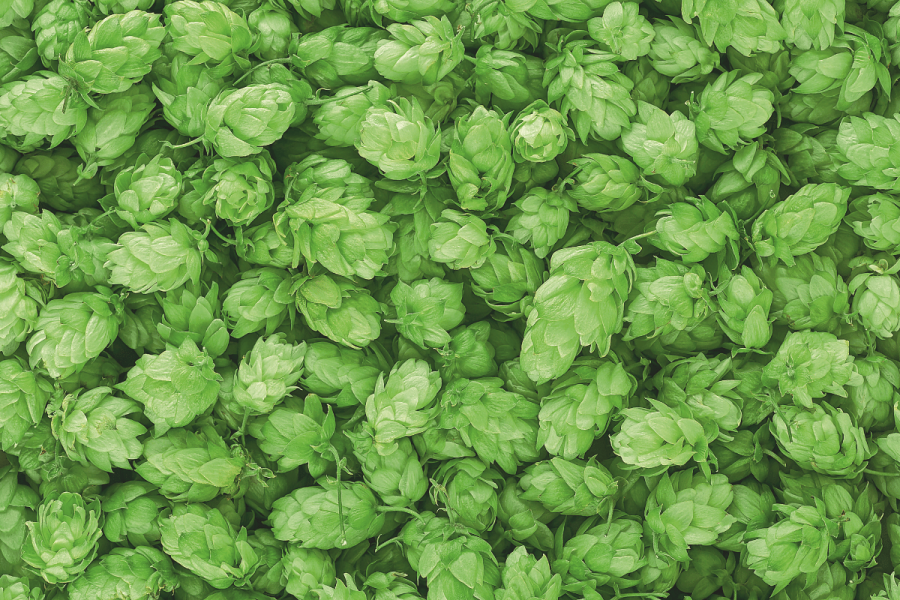
The flowers or strobiles of the hop plant have long been used to aid sleep. In fact, they were used to stuff herbal pillows for a restful night. They have a sedative effect and are helpful for easing restlessness, tension and sleep disturbances, particularly those related to worry or feeling anxious.
The active element of hops for sleep are the volatile oils including humulene, and also valerianic acid, which are both sedative and work via the nervous system to relieve nervous tension and promote sleep. Hops are also phytoestrogenic, which means they can weakly stimulate the oestrogen receptors, helping relieve hot flushing and other menopausal symptoms.
This can make hops an excellent choice for sleep during the perimenopausal and post-menopausal years (check with your GP if using HRT). Their cooling, damping-down effects are not always suitable for those managing low mood or depression, where lemon balm would be a better choice.

Corin Sadler BSc, DipION, FDSc is a medical herbalist and senior nutritionist at ethical vitamin company Viridian Nutrition (viridian-nutrition.com). She has a degree in clinical herbalism, and a diploma and foundation degree in nutritional therapy.