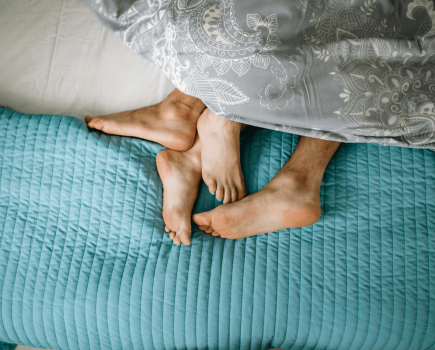


Feeling sluggish? Research suggests dozing during the day could be the secret to boosting your health, productivity, and even your longevity. Try these 5 top tips to make micro-napping your health saviour.
Words: Louise Pyne. Images: Shutterstock.
The trend for micro-dosing wellbeing – performing positive daily practices in small amounts – can mean swapping lengthy gym workouts for shorter sessions, or taking small dietary steps to reinforce new lifestyle habits over fad diets.
Now, the trend for micro-dosing your sleep routine is gaining popularity. With World Sleep Day on March 13 (worldsleepday.org) there’s no better time than now to streamline your sleep routine, otherwise known as micro-napping. Southern European countries, such as Italy and Spain, are known for having among the best longevity levels of European nations.
While the Mediterranean diet, with its brightly coloured seasonal fruits and vegetables, is thought to have a big part to play in the wellbeing of these nations; the afternoon siesta, which has been a pivotal part of daily life for centuries, is also said to be a contributing factor.
Science backs up the benefits with results from a study by researchers at University College London, revealing that napping aids cognitive health, specifically by preserving brain volume, which is thought to lower the risk of dementia, cardiovascular disease and stress.
The trend for workplace naps is becoming more mainstream, with a growing number of companies such as Facebook and Google offering sleep pods in their offices and co-working chains equipping their spaces with nap areas in a bid to keep workers well rested to drive productivity.
And if you’re a terrible nighttime sleeper, napping could be a good way to reduce your sleep debt, as long as you’re following the right protocol. Here are five strategies to nail daytime micro-napping.
- Set a timer
The key to snoozing in the day and waking up refreshed is to keep naps short and sweet so that you don’t fall into a deep sleep. ‘If you are going to nap, do this as early in the day as possible, and not after 2:30pm.
I would recommend setting an alarm for 20-25 minutes and turning your phone to silent, and silencing any notifications,’ says Kathryn Pinkham, a sleep expert and founder of The Insomnia Clinic (theinsomniaclinic.co.uk). You might even want to scale down naps even further. Five to 15 minutes of daytime slumber has been shown to immediately improve cognitive performance for up to three hours after waking.
- Keep it regular
Bear in mind, one-off naps won’t really benefit your long-term general health. If you’re striving for the benefits of napping, you’ll need to re-sync your body’s 24-hour internal body clock, known as the circadian rhythm, by incorporating regular naps into your daily routine.
The best way to get into the habit is to nap at the same time every day. ‘Napping too late in the day is another pitfall, as this will impact your bedtime sleep,’ advises Kathryn.

- Don’t nap on a full stomach
The post-lunchtime hours are the best time for napping, but avoid shut eye on a full stomach as this will impede digestion and leave you feeling bloated and sluggish. Opt for a light lunch such as a soup or salad so that you don’t feel heavy as you lie down to get some kip.
- Tune into your senses
If you’re not used to sleeping in the day, you might struggle to shift your body into sleep mode, so it’s important not to put unnecessary pressure on yourself.
’Don’t ‘’try’’ to sleep as you can’t force sleep, but instead focus on what you can hear, smell and feel, and take the opportunity to breathe deeply. If you nod off great, but if not, you can still get an energy boost from this mindful activity,’ explains Kathryn.
- Protect nighttime sleep
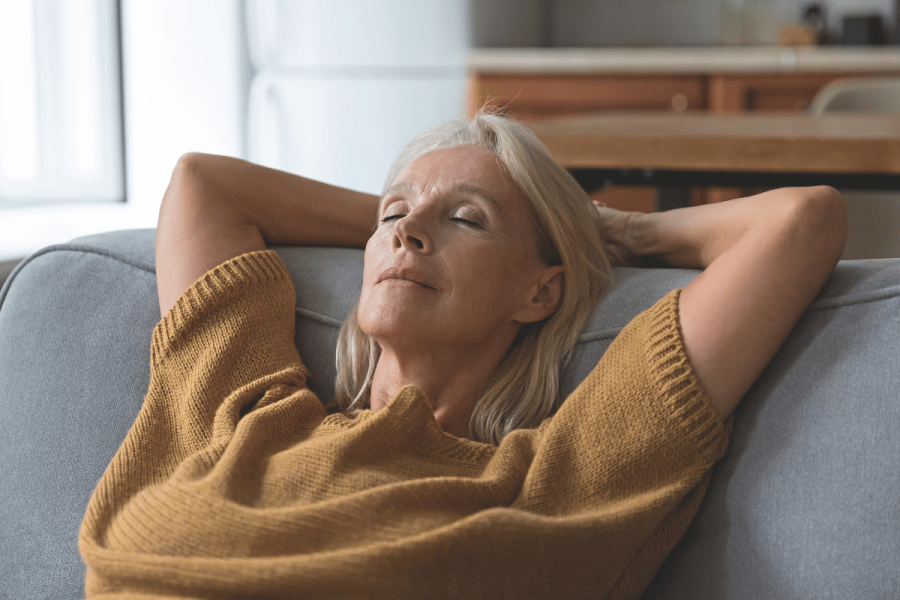
To ensure that daytime naps don’t interfere with nighttime sleep it’s a good idea to think about nightly sleep hygiene. Sleeping in a darkened room that’s cool but not cold and investing in comfortable bedding are all good steps to ensure you sleep well at night. Then, you can still get the most out of daytime naps.