


Nourish your body from the inside out this 2026 winter with nutrient-packed foods that will support the immune system and boost mood. Here are registered dietician Lola Biggs’ top eating tips
Embrace nutritious winter warmers
Hearty soups and stews aren’t just comforting, they’re nutritional powerhouses. Root vegetables such as carrots, sweet potatoes and parsnips are packed with beta-carotene, which your body converts to vitamin A to support immune function. Add protein-rich pulses such as lentils or chickpeas for sustained energy, and finish with a handful of leafy greens. The liquid base helps keep you hydrated when you might not feel like drinking cold water, and the warmth aids digestion during the colder months in 2026.
Fuel your immune system
With limited sunlight exposure in winter, it’s crucial to get vitamin D from your diet. Oily fish such as salmon, mackerel and sardines are excellent sources, alongside eggs and fortified dairy or plant-based alternatives. Vitamin D plays a vital role in immune function and mood regulation; many people experience low mood in winter partly due to vitamin D deficiency. Aim for at least two portions of oily fish per week as, while mushrooms provide some vitamin D, they contain D2 rather than the more effective D3 form. If you’re following a plant-based diet or struggling to get enough from food, Together Health’s Vegan Vitamin D3 (£7.49, togetherhealth.co.uk) is sustainably sourced from algae and provides the same form of vitamin D your body produces naturally from sunlight.
Spice it up
Winter spices do more than add flavour, they’re immunity-boosting superstars. Ginger contains gingerol, a powerful anti-inflammatory compound that can help fight infections and soothe sore throats. Cinnamon helps regulate blood sugar levels, preventing energy crashes, while garlic has natural antimicrobial properties. Add these warming spices to everything from morning porridge to evening curries. Try grating fresh ginger into hot water with lemon for a soothing drink, sprinkle cinnamon on your breakfast or roast vegetables with crushed garlic for maximum flavour and health benefits.
Plate up with purple
Purple and deep red vegetables and fruits are loaded with anthocyanins, powerful antioxidants that protect cells from damage and reduce inflammation. Red cabbage, beetroot, blackberries, plums and purple-sprouting broccoli are all winter stars. These foods support cardiovascular health and may help improve memory and cognitive function. Try roasting red cabbage wedges with balsamic vinegar, adding beetroot to winter salads or blending berries into smoothies with oats and cinnamon.
Go with the grain
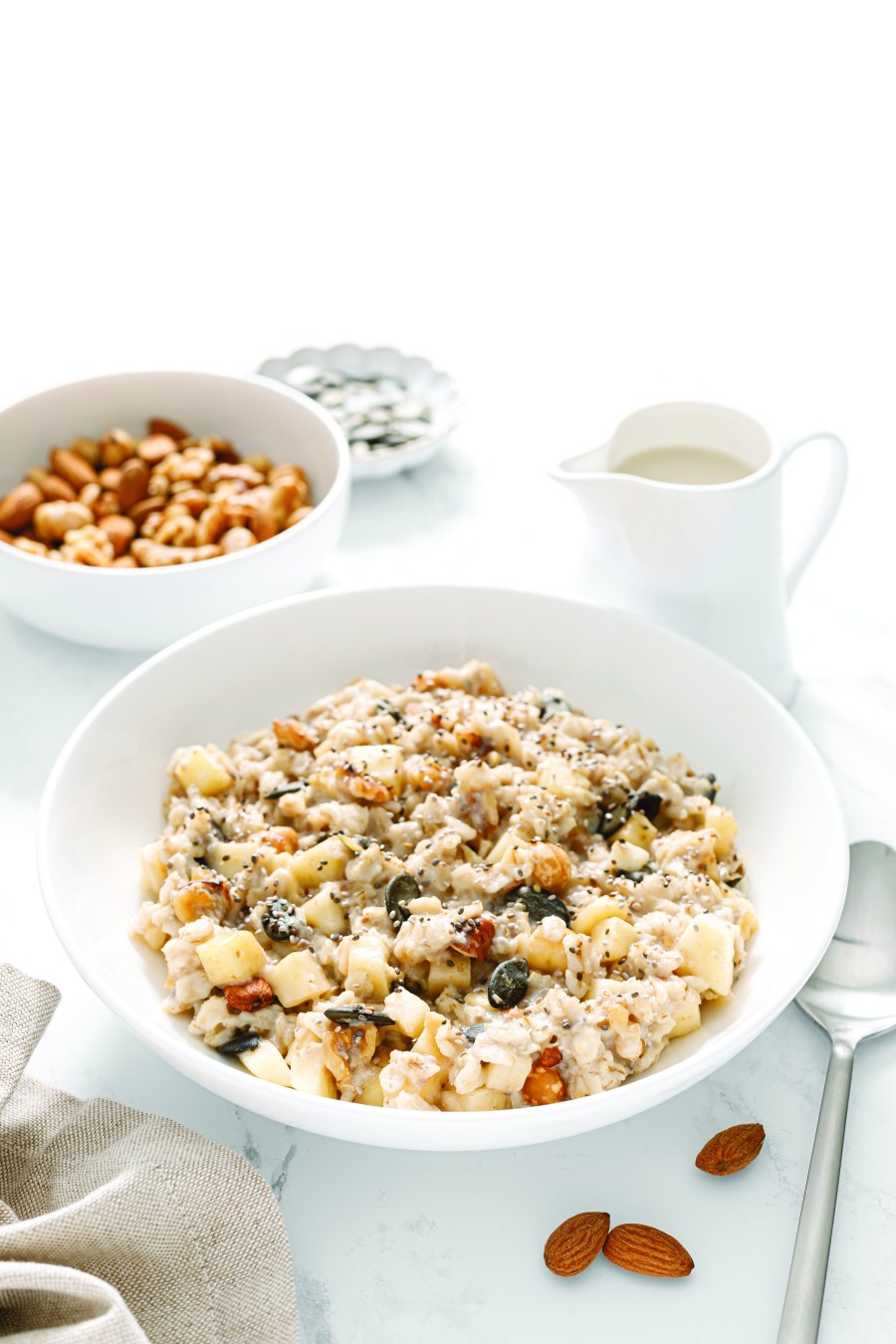
A bowl of warming porridge is the perfect winter breakfast. Oats are rich in beta-glucans, a type of soluble fibre that supports immune function and helps maintain steady blood sugar levels throughout the morning. They’re also a good source of B vitamins, essential for energy production and mood regulation. Top your porridge with nuts for healthy fats, seeds for minerals, and winter fruits such as stewed apples or pears. Adding a pinch of cinnamon or ginger brings extra immune-supporting benefits.
Feast on fermented foods in 2026
Your gut health directly impacts your immune system and mood, so nourishing your microbiome is essential. In fact, during colder months, studies have shown that your microbiome can be negatively altered, and there can be decreased diversity and shifts in bacterial types. Fermented foods such as natural yoghurt, sauerkraut, kefir, kimchi and miso are rich in beneficial probiotics. These
good bacteria support digestion, help produce mood-regulating neurotransmitters and strengthen your immune response. Start your day with natural yoghurt topped with nuts and berries, add sauerkraut to salads, or use miso paste to create warming, probiotic-rich soups. If you find it challenging to include fermented foods daily, Together Health’s Multibiotic Fermented Food (£16.99, togetherhealth.co.uk) combines friendly bacteria strains with nutrient-rich fermented foods for comprehensive support.
Embrace citrus season
Winter 2026 will be peak season for citrus fruits – oranges, grapefruits, clementines and lemons are all abundant and bursting with vitamin C. This essential nutrient supports immune function, helps your body absorb iron from plant-based foods, and acts as a powerful antioxidant. We do not store or synthesise this vitamin in the body, so it is imperative to include foods that provide good amounts daily. Just one medium orange provides your entire daily vitamin C requirement. Keep a bowl of citrus fruit visible in your kitchen as a reminder to snack, add segments to salads for a zingy boost, or start your day with warm water and lemon to aid digestion.
Swap your snacks smartly
When it’s cold outside, it’s tempting to reach for sugary treats, but these cause energy crashes that leave you feeling worse. Instead, opt for snacks that combine protein, healthy fats and complex carbohydrates. Try apple slices with almond butter, oatcakes with hummus, or a handful of mixed nuts with dark chocolate. Dark chocolate (70 per cent cocoa or higher) contains flavonoids that may boost mood, along with magnesium for energy production. These balanced snacks keep blood sugar stable and energy levels consistent.
Hydrate with some warming herbal teas
Staying hydrated is just as important in the winter as in the summer, but cold water is less appealing. Herbal teas are a warming, hydrating alternative with added benefits. Peppermint tea aids digestion, chamomile promotes relaxation and better sleep, ginger tea soothes upset stomachs and fights inflammation, and elderflower supports immune function. Green tea provides gentle caffeine plus L-theanine, which promotes calm focus. Aim to drink six-to-eight cups of fluid daily, alternating water with herbal teas to keep things interesting. No need to just enjoy at home, treat yourself to a flask and keep yourself hydrated and cosy wherever you go!
Think zinc for immunity
Zinc is crucial for immune function, wound healing and maintaining your sense of taste and smell. Winter foods rich in zinc include pumpkin seeds, cashew nuts, chickpeas, quinoa and lean meats. Sprinkle pumpkin seeds over soups and salads, snack on cashews or create hearty grain bowls with quinoa, roasted vegetables and chickpeas. If you feel a cold coming on, zinc-rich foods may help reduce the duration and severity of symptoms. Keep a jar of mixed seeds on your kitchen counter as a visual reminder to add them to your meals throughout the day.