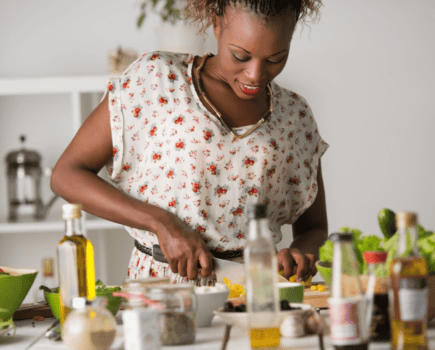


Could the things we eat actually be the key to improving our mood and increasing our happiness daily? We spoke to the experts to discover how we can eat ourselves happy.
Words: Amy Mica Marsden. Images: Shutterstock
Increasingly, scientists are realising that the connection between our gut, our food intake, and our mood goes deeper than we previously thought – and it’s not just that some of us are prone to getting ‘hangry’ when we haven’t eaten.
In fact, the general health of our gut microbiome – the complex ecosystem of bacteria and other microorganisms living mostly in our large intestine – can have a huge influence on our brain and, in turn, our mental health. And it goes both ways!
What is the gut-brain axis?
“Hormones, immune signals, and especially the Vagus nerve, act like a communication highway,” explains Sherry Gray, an educator on food and nutrition at the University of Connecticut. This highway transmits signals about things like your mood and your fullness after meals between your central nervous system (in your brain and spine) and your enteric nervous system (in your gut).
“This means not only can our brain influence our gut, but what we feed our gut microbes can also influence how we feel,” adds gut health scientist, nutritionist and dietician, Dr Megan Rossi.
“There is growing evidence that poorer gut health is linked with lower mood. People consuming diets low in fiber and high in ultra-processed foods are more likely to report symptoms of low mood and poorer mental wellbeing,” she continues.

Happy chemicals
One key chemical in the gut-brain connection that can make a huge difference is serotonin, often called the ‘feel-good’ chemical.
“Serotonin, a chemical produced mainly in the gut, plays a key role in our sleep, mood, anxiety, wound healing, digestion, and libido,” Sherry Gray explains.
It’s responsible for controlling and stabilising your mood, and not getting enough of it can increase the likelihood or severity of mental illnesses like anxiety and depression.
It plays such a crucial role in the gut-brain axis that SSRIs (Selective Serotonin Reuptake Inhibitors), a medicine commonly used to treat depression, are sometimes prescribed for those suffering with gastrointestinal disorders such as IBS.
So what can we do to get more of it, naturally?

Gut health habits for a better mood
“One reason [for poor mood relating to gut health] is that our gut microbes rely on fiber and plant diversity to thrive,” says Dr Megan. “When they’re undernourished, they may produce fewer beneficial compounds (like short-chain fatty acids), which are known to play a role in brain health and mood regulation.”
“The most powerful shift is increasing plant diversity,” she advises. “Aim to include foods from what I call the Super Six each day – wholegrains, vegetables, fruits, legumes, nuts and seeds, plus herbs and spices.”
“Some simple, evidence-backed additions include:
- Citrus fruits – one study found daily intake (e.g. oranges or grapefruit) was linked with around a 20% lower risk of depression, likely due to their effect on gut bacteria involved in neurotransmitter pathways
- Fiber-rich, plant-diverse diets – consistently linked with better mood outcomes in clinical trials
- Polyphenol-rich foods like berries – these plant compounds feed beneficial gut microbes and have been linked to improved blood flow to the brain, which may support focus and mental clarity”
Try this: No added sugar Bio&Me granolas
One way to easily increase fiber and plant diversity in our food intake, Sherry Gray says, is to follow the Mediterranean diet.
This includes eating at least 5 portions of vegetables a day, increasing our intake of healthy fats (from foods like olive oil, nuts, and seeds), and swapping red meats for 2-3 portions of fish or chicken a week.
It also involves cutting down on sugar and processed foods, all of which can decrease levels of beneficial bacteria in the gut and cause inflammation.
Additionally, Sherry recommends eating fermented foods such as cultured yogurt and kimchi, as these contain live bacteria which can increase the diversity of our microbiome – and a diverse microbiome means more of those happy chemicals are being produced on a day-to-day basis.

Eat yourself happy
If you’re looking for other simple diet and lifestyle changes you can make to improve our serotonin production and overall mood, Sherry says that alcohol can be a common culprit of poor gut health. She recommends limiting our intake where possible, as it can disrupt our all-important microbiome and increase harmful bacteria.
She also recommends considering a probiotic supplement – though this isn’t a substitute for a healthy diet. “Look for reputable brands and focus on finding a product with clinically studied bacteria strains specific to your health goals,” she adds.
And there’s good news for those of us who love our fitness: exercise can do wonders for the gut-brain axis! Regular aerobic exercise not only gives you endorphins in the short-term, but has also been shown to improve the diversity and abundance of gut bacteria, which in turn can reduce symptoms of anxiety, depression, and other mood disorders.
Making just a few of these changes really can put a smile on your face – and leave you feeling happier than ever.
Dr Megan Rossi, PhD, RD, APD is an internationally renowned gut health scientist with an award-winning PhD in probiotics, dietitian, nutritionist and best-selling author with a mission to inspire and transform everyone’s gut health using the latest science.
She is a Research Fellow at King’s College London and is the founder of The Gut Health Doctor, The Gut Health Clinic, Bio&Me and SMART STRAINS. Find her at @TheGutHealthDoctor.
Sherry Gray MPH, RD is an Extension Educator at the College of Agriculture, Health, and Natural Resources, University of Connecticut. Find her on Facebook, or find more information at communitynutrition.cahnr.uconn.edu