
Our trio of experts take a look at sleep solutions and give their best advice for sleeping better
Words: Pauline Cox, Kate Rowe-Ham, Suzy Reading. Images: Shutterstock.
PAULINE SAYS…
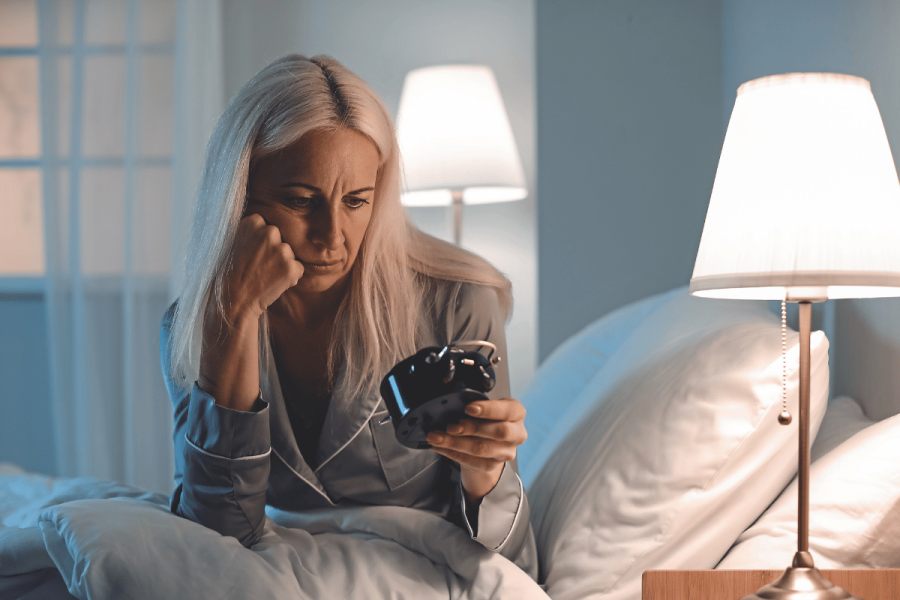
Sleep is about a lot more than simply resting your brain; it allows the body to repair, regulate and restore. Yet for many women, sleep is often the first thing to unravel, especially during perimenopause and beyond. Difficulty falling asleep, waking in the early hours with a busy mind, or feeling exhausted despite a full night’s sleep are common for many.
As oestrogen and progesterone decline, women lose two powerful calming, anti-inflammatory hormones. This results in higher cortisol, lighter sleep, more night wakings, and a nervous system that struggles to switch off.
What you consume in the evening matters; late-night sugar, alcohol or highly processed foods can spike blood glucose and cortisol, sending your hormones into chaos. What you want to do in the evening is stabilise blood sugar, calm your nervous system and support hormone signalling. The following will help you to do that.

Nourish your nerves with bone broth
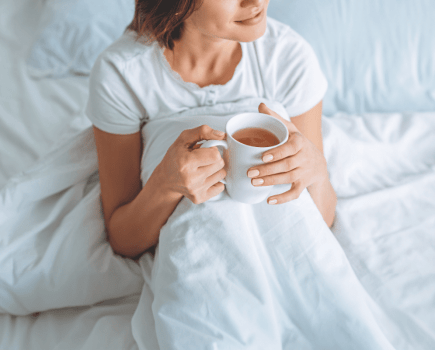
A warm cup of broth in the evening is a simple yet soothing way to start your bedtime wind down. It’s rich in amino acids, particularly glycine, which can help lower core body temperature, quiet mental chatter, and support deeper, more restorative sleep cycles.
It also provides collagen, gelatine, electrolytes, minerals and gut-healing compounds that reduce systemic inflammation, which is an often-overlooked contributor to poor sleep.
Regulate stress with Reishi
The mushroom reishi has been used for centuries as a tonic for resilience and longevity. It works by supporting a healthy stress response, gently lowering cortisol and supporting the parasympathetic (rest-and-digest) nervous system – for women navigating hormonal change, this is key. Try Bristol Fungarium (£31.50, sowandarrow.com).

Magnesium for relaxation
Magnesium is essential for more than 300 biochemical reactions, many of which directly influence sleep, muscle relaxation and nervous system regulation. Yet stress, modern diets and hormonal changes increase magnesium requirements. Magnesium bisglycinate is an effective and gentle form that can help reduce night cramps, calm your nervous system and improve sleep depth and quality. Take it 15-30 minutes before bed.
Reduce inflammation with omegas
Omega 3 and 6 fats play a crucial role in brain health, inflammation regulation and melatonin signalling. Low omega status has been linked to poorer sleep quality, increased anxiety and disrupted circadian rhythms. These essential fatty acids reduce neuroinflammation, support serotonin and melatonin production, and improve sleep efficiency and duration. Consistent daily intake, rather than a last-minute bedtime dose, creates the foundation for deeper, more restorative sleep.
New nighttime ritual
Having a consistent nightly ritual can reinforce safety for your nervous system, so try a cup of warm, grass-fed bone broth – I like Hunter & Gather Bone Broth (£31.99, sowandarrow.com) with 1-2ml organic reishi extract added to it. Drinking this along with your magnesium bisglycinate supplement before bed is the ultimate dream team for a good night’s sleep!
Pauline Cox is a functional nutritionist, author and founder of keto delicatessen Sow & Arrow (sowandarrow.com) near Bristol. Her latest book is Hungry Woman: Eating for Good Health, Happiness + Hormones. Follow her at instagram.com/paulinejcox.

KATE SAYS…
If you struggle to sleep, exercise is often suggested as the solution. But for many women, especially in midlife, simply doing more can make sleep worse rather than better. The key thing to understand is that sleep is not about exhaustion, it’s about regulation. Exercise influences sleep through hormones, blood sugar and your nervous system.
When these systems are supported, sleep improves naturally. When they are overstimulated, broken nights and early waking often follow. One of the biggest mistakes women make is overusing high-intensity exercise. While short bursts of intensity can be helpful, frequent hard workouts, particularly later in the day, keep cortisol levels elevated.
This can leave the body feeling alert and wired at bedtime. For better sleep, I encourage you to be strategic with intensity. Strength training and more demanding sessions earlier in the day work best.
Building and maintaining muscle improves insulin sensitivity and helps stabilise blood sugar levels. This matters because nighttime blood sugar dips are a common cause of waking in the early hours. Doing 2-4 well-structured strength sessions per week is enough to gain benefits without overwhelming the body.

Walk this way
Walking is another great tool for better sleep. A 20-30 minute brisk walk in the afternoon or early evening helps lower stress hormones, supports digestion and gently reinforces circadian rhythm.
It is accessible, low-impact and highly effective, particularly for women experiencing sleep disruption during perimenopause. Evening movement should be calming rather than stimulating.
Gentle mobility work, stretching or slow breath-led movement helps the nervous system shift out of stress mode and into rest. Nasal breathing and longer exhales are particularly effective at signalling safety to the body, which is essential for falling and staying asleep. It is also important to remember that sleep is shaped across the whole day.
Morning movement and exposure to daylight help anchor the body clock. Exercising at roughly the same time most days creates rhythm and predictability, something the nervous system responds well to, especially during hormonal change. Perhaps the most important shift I see in women is letting go of the idea that exercise must be punishing.
Adapting movement to your energy level’s life stage and cycle is not a weakness. Better sleep does not come from pushing harder. It comes from moving in ways that calm the nervous system and create the conditions for genuine rest.
Kate Rowe-Ham is a PT specialising in helping midlife women get strong and feel good. She’s the founder of app Owning Your Menopause (owningyourmenopause.com) and is a patron of the Menopause Mandate. Follow her at instagram.com/katerh_fitness.

SUZY SAYS…
Your ability to sleep well is a culmination of all your daily choices: what you’ve eaten, how many cups of coffee you’ve had, the rest you have or haven’t allowed yourself, your visual and auditory diet, how you’ve moved your body, and the importance that you’ve placed on actively prioritising your sleep needs.
If you want to sleep better, you need to embrace your humanity – and that means making space for your needs. Look at the diligence with which you recharge your mobile, refuel your car, and reboot your computer. You don’t demonise your devices for needing topping up, yet how often do you expect yourself to be a machine with infinite capacity, feeling cross with yourself for not being able to push on relentlessly.
Sleep is the ultimate recharger, and rest and relaxation are vital precursors to sleep. In fact, one of the greatest barriers to sleep is the inability to relax, so setting the intention to stop and soften at regular intervals in your day might just be the best way to maximise your chance of good sleep at night.

Rest and recharge
This might be the best homework you’ve ever been given: practise a daily prescription of “flopping and dropping”. Detach from the busyness of your day and come home to self with a regular savasana ritual – that yoga pose you do at the end of a class. Well, you can skip straight to it and cultivate your ability to let go.
Roll out your yoga mat, stretch out on a rug or lay on the sofa, then do nothing but lie down and breathe for five minutes. You might just need to set yourself an alarm. If you are motivated to improve your sleep, then pause and get clear on the actions that promote better sleep and the lifestyle choices that derail it.
Make a list and see where there are some obvious tweaks to make. It could be as simple as going to bed when you first notice feelings of fatigue rather than dropping off on the sofa mid-Netflix episode.
If you find it hard to make these commitments, shift your focus to what good sleep facilitates: being present for your kids, making sound business decisions and more. If you are making all the healthy choices and still good sleep is inaccessible, my heart goes out to you; please reach out to your GP for support.
Suzy Reading is a chartered psychologist and author of How to Be Selfish. Suzy helps you to identify the habits you need to thrive and empowers you to overcome the barriers to making them an active daily priority. Visit instagram.com/suzyreading.