


We asked our three wise women for their sage advice on how to alleviate stiff joints in midlife and beyond, so we can keep moving freely.
Words: Pauline Cox, Kate Rowe-Ham, and Suzy Reading. Images: Shutterstock.
Pauline says…
Pauline Cox is a functional nutritionist. Her latest book is Hungry Woman: Eating For Good Health, Happiness + Hormones. She runs health food store and café Sow and Arrow near Bristol (sowandarrow.com). Follow her at instagram.com/paulinejcox.
As oestrogen and progesterone decline into perimenopause and beyond, levels of inflammation can begin to creep up. This can result in joint pain, general aches and pains and an increased feeling of stiffness. Something called interleukin-10 (IL-10), which is an anti-inflammatory cytokine, essentially helps “calm down” your immune system.
When it’s active, it soothes inflammation and protects muscles and joints from excessive immune activity. Lower oestrogen in midlife can reduce the efficiency of IL-10, creating the perfect storm for inflammation and pain.
But there are some ways to increase your body’s production of IL-10:
● Sleep well. Production of IL-10 peaks when you are getting optimal, deep sleep.
● Take magnesium bisglycinate. This form of the mineral, in particular, supports sleep and has anti-inflammatory properties.
● Eat healthy fats. Ahiflower oil, an omega-rich fish oil alternative, naturally increases IL-10. It’s good for heart health, brain health as well as joints and muscles, and can be found in soft gel form or oil – try Regenerative Omegas (£29.99, sowandarrow.com).
● Add turmeric to meals. The bioactive compound in turmeric, called curcumin, is a natural anti-inflammatory. It also helps to increase IL-10 levels in the body.
Choose a turmeric with higher levels of curcumin to enhance the anti-inflammatory benefits. Most typically contains 1-2 per cent curcumin, compared to turmeric from the Lakadong region, which contains 7-8 per cent curcumin. Find it at sowandarrow.com.
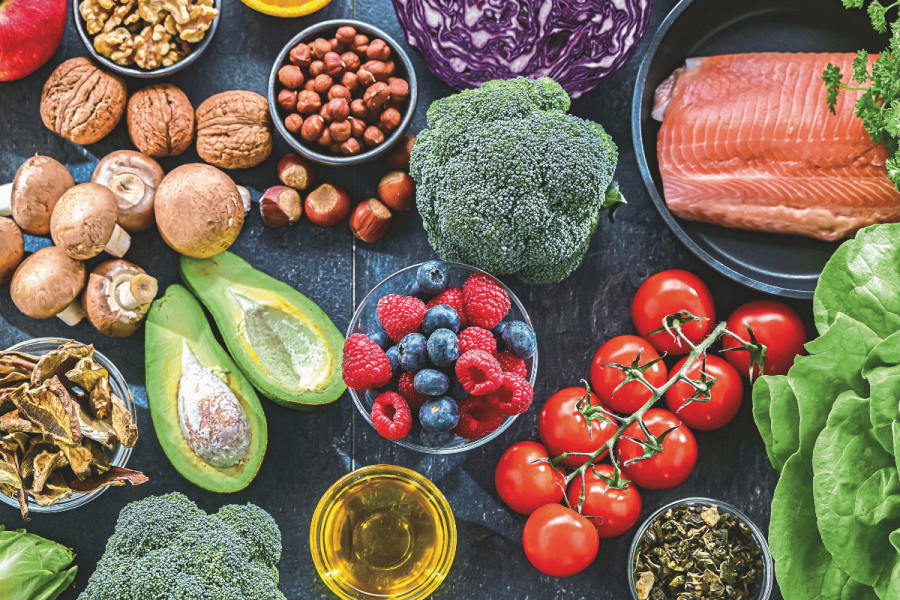
Eat anti-inflammatory foods
Consuming a diet rich in vitamins, minerals and bone-healthy nutrients, can be a wonderful way to support your joint health. Berries, leafy greens, peppers, and beetroot are rich in antioxidants as well as magnesium, potassium and many other important nutrients needed for healthy joints.
Green tea and matcha contain catechins, compounds that can support a healthy immune response and reduce inflammation. Fermented foods such as kefir, sauerkraut, and kimchi support gut health, which in turn influences systemic inflammation.
I’d also consider taking vitamin D, which is essential for bone and joint health, immune balance and muscle function, and is especially important in low-sunlight months. Collagen peptides also help build cartilage, tendons and ligaments, supporting joint resilience.
Build muscle mass
Consuming protein-rich foods such as fish, meat, dairy, tofu and beans can be an ideal way to help maintain lean muscle. Creatine supplementation can also support muscle mass, which in turn supports joint and bone health.
Consider supplementing 5g of creatine monohydrate into Greek yoghurt, smoothies or omelettes. For a pure, high-quality brand, look out for the trademark Creavitalis – a German-made creatine that is pure and highly bioavailable.
Kate says…
Kate Rowe-Ham is a PT specialising in helping midlife women get strong and feel good. She’s the founder of app Owning Your Menopause (owningyourmenopause.com) and a patron of the Menopause Mandate. Follow her at instagram.com/katerh_fitness.
This is something I hear all the time, and truthfully, I have felt it myself. Joints can feel stiff and achy as we move through midlife, and while it is tempting to slow down or even stop moving, the answer is almost always the opposite.
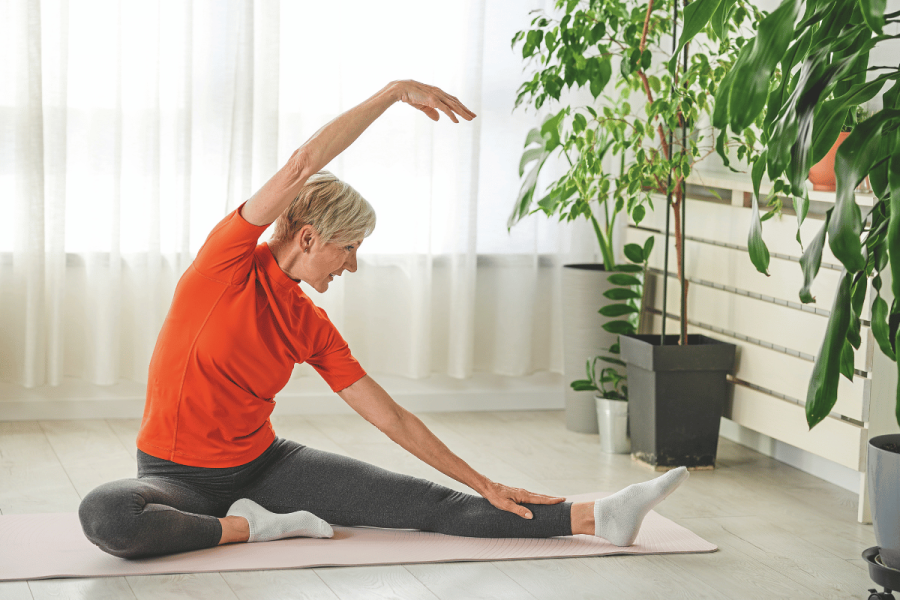
Movement is medicine for your joints. Think of your joints like hinges on a door: if the door is never opened, the hinges start to seize up. It is the same with your body. Gentle, regular activity helps to lubricate your joints, ease stiffness and keep you mobile. Even 10 minutes of walking, stretching, or light cycling can make a noticeable difference if done consistently.
A little stretch last thing at night and first thing in the morning goes a long way to keeping the pain at bay.
Make time to move
One of the most powerful ways to protect your joints is through strength training. I cannot emphasise this enough. Muscles act as natural shock absorbers, reducing the load placed directly on your joints. If your knees ache, stronger thighs and glutes will take some of that pressure off. If your shoulders feel sore, building strength in your back and arms will give them much-needed support.
The exercises do not have to be complicated: squats, sit-to-stand from a chair, step-ups, or wall push-ups are simple and effective. Start small, focus on good form, and progress gradually.
Mobility work also deserves a place in your routine. Gentle stretches, yoga flows or dynamic moves such as hip circles and spinal rotations help maintain your range of motion and prevent joints from feeling locked up.
I love encouraging clients to build these into their mornings or evenings, almost like brushing their teeth. Just five minutes daily can change how your body feels. Finally, remember that recovery is part of the process. Warm-ups and cool-downs, a little foam rolling, or a hot bath can make your joints feel cared for, and that goes a long way in keeping you moving confidently.
So, when you find yourself saying my joints feel more achy than usual, take it as a gentle reminder from your body to move, not to stop. Small, consistent steps really do add up, and the more you move, the more freedom and comfort your joints will give back to you.

Suzy says…
Suzy Reading is a chartered psychologist and coach, and her new book How To Be Selfish comes out next month. Suzy’s practical toolkit helps you feel safe to advocate for yourself, so you can prioritise self-care and also receive love and support from others. Find her at suzyreading.co.uk and at instagram.com/suzyreading.
Please be gentle with yourself if your joints are feeling achier than normal – but also take action. Your body is communicating to you, and rather than reasoning it away or ignoring it, lovingly tend to your body.
Remember, the intervention required at this kind of whisper from your body tends to be more straightforward than the time, energy and expense needed when you wait for the shout of injury or illness to stop you in your tracks. It could be as simple as attending to your sleep needs, drinking more water or being a bit more deliberate in your stretching.
Your body isn’t out to get you, so listen without chastising or shaming yourself. Seasonally, there may be a component; as the temperature drops it is not unusual to notice a feeling of being a bit more creaky than usual, especially if your movement habits change in the colder, darker months.
You might need a little more time to warm your body up before engaging in your regular movement rituals, and be aware too of increasing sedentary periods, which can contribute to feeling not as well-oiled as usual. You may also be in a season of your life – either a period of change, high stress, or perhaps in the perimenopausal flux of hormonal change – and these life experiences can have an impact on how your joints feel.
It might be helpful to tweak your exercise and self-care routines to something that feels a bit more compassionate. Remember, it won’t be like this forever.
Check in with yourself
There is an opportunity here for you to recalibrate your relationship with yourself and the priorities you currently have in life. Can you slow down and listen to your body?
Check in with the ways that you are nourishing yourself and observe whether there are things that you used to do that have fallen by the wayside. What habits do you need in your life to feel a sense of freedom and ease in your body? What can you reclaim or is there something new you feel would benefit you?
Culturally, we are encouraged to push through and just get on with it, but if there’s anything I’ve learnt in perimenopause, it is that I need to advocate for myself. Enquire about all the support available to you – medical or otherwise. Know that it is okay to modify your boundaries with other people: how you show up for other people, but also how you let other people support you.
You will find a toolkit to help you feel confident to speak up on your behalf in my new book How To Be Selfish. These messages from your body are reminding you that it is time to start living like you matter too.