

Does taking hormone replacement therapy or even the contraceptive pill lead to nutrient deficiencies? Investigative journalist Angela Kennedy delves deep to find the answers — and what to take to help.
Words: Angela Kennedy. Images: Shutterstock / various brands
After a routine blood test, it can come as a shock to find your vitamin levels are lacking. That’s exactly what happened to me. Despite having home-cooked meals with plenty of fruit and veggies daily, some vitamin and mineral levels had dipped below optimal. But why?
Clearly, there could be many causes, but two surprising possible culprits are the oral contraceptive pill (OCP) and hormone replacement therapy (HRT). ‘Research spanning decades has shown synthetic hormones used in both the OCP and HRT can interfere with absorption, metabolism and excretion of certain vitamins and minerals,’ says Dr Nirusha Kumaran, a leading medical expert in women’s longevity and hormones (drkumaran.com).
Of course, both the pill and HRT have revolutionised women’s lives by handing you control of your reproductive cycle and/or helping you feel normal again. Hooray for that – and we wouldn’t be without them. But most medications come with side effects, so knowledge is king when it comes to fending off unwanted health consequences. (If you’re worried, we’ve put together answers to 8 of the biggest questions you had about HRT, but were too afraid to ask!)
The pill has been available since the 1960s – not only preventing pregnancy to a 99 per cent effectiveness rate, but also regulating menstrual cycles, and some types have a transformative effect on acne-prone skin. About 70 per cent of British women have used the pill at some point in life.
Looking to HRT, it’s designed to support women’s wellbeing in midlife, balancing hormonal fluctuations triggered by peri- and menopause – so hot flushes, brain fog, fatigue, irritability and the rest can be diminished. Use of this menopause medication is growing, with 13 million HRT items (pills, patches, creams) – a 22 per cent increase on the previous year – prescribed to an estimated 2.6 million patients, according to latest figures.
So, what ties these two popular life-enhancing medicines to nutrient deficiencies? Dr Kumaran points out a review in The Journal of Clinical Endocrinology & Metabolism, which noted OCPs are associated with lower levels of folate, B vitamins, magnesium, selenium, zinc, and vitamins C and E. Quite a long list of key nutrients.
While HRT has less extensive evidence of links to nutrient deficiency, some studies suggest it impacts magnesium, B6 and folate, especially when combined with lifestyle factors such as stress, alcohol and processed foods. But Dr Kumaran flags up that this is not so much the case with the newer bioidentical forms of HRT.
Be risk aware
Importantly, the effects of lower vitamin levels can have serious consequences for your health, including heart, mood and hormones. ‘The pill can significantly lower folate levels, which is essential for cardiovascular health. HRT and OCPs have been associated with reduced B12 levels – important for neurological function and red blood cell formation.
The pill may impair B6 metabolism, leading to deficiency symptoms such as irritability, fatigue and low mood. Also, B6 plays a key role in neurotransmitter and hormone metabolism,’ says Dr Kumaran. Meanwhile, your bone health, sleep quality and immune function can also be impacted by less-than-optimal nutrient levels. (Discover more about the link between menopause and sleep!)
‘Hormonal therapies may be linked with lower vitamin D levels, affecting bone density and immune function. Both the pill and HRT can reduce calcium absorption, which can increase the risk of bone loss over time. Plus, hormonal therapies have been shown to lower serum magnesium, which can affect mood, sleep, cardiovascular function and muscle health.
‘Finally, the pill may reduce zinc levels, often shifting the zinc-to-copper ratio. Zinc is vital for your immune system, skin health, cognition and hormonal balance,’ says Dr Kumaran.
Given the astonishingly long list of vitamins and minerals that can be diminished, you’d think patients would be told of this potential side-effect. But that doesn’t seem to be the case. ‘Patients are not routinely informed about the potential for nutrient deficiencies when being prescribed oral forms of the contraceptive pill or HRT,’ says Dr Harriet Connell, women’s health GP at Health & Her (healthandher.com).
‘The reality is many doctors themselves are not fully aware of these risks. Medical training has traditionally placed limited emphasis on the role of micronutrients and nutritional biochemistry in women’s health. As a result, the broader implications of long-term hormonal therapy on nutrient levels are often overlooked. Only recently have we begun to recognise and value the impact of nutrition, gut health and lifestyle – the core pillars of health – on hormonal balance and overall wellbeing.’
Take back control
Interestingly, you don’t have to be hugely lacking in vitamins to take a health hit. Just having below optimal levels can cause problems.
‘Even mild deficiencies can affect energy, cognition, immune function and hormonal balance over time. For those with underlying gut issues, restricted diets or higher stress levels, depletions can lead to fatigue, poor concentration, PMS-like symptoms or worsening perimenopausal complaints,’ says Dr Connell.
This sounds very familiar. Some of my nutrient levels were sub-optimal in an NHS blood test – but that wasn’t considered problematic by doctors. Yet my hair was falling out in clumps. When I took matters into my own hands and topped up my nutrient levels with supplements, my hair stopped falling out and hair loss has remained minimal for a year and counting.
Obviously, the cause is unclear, but, like most UK women, I have taken an OCP in the past – in my case for about 15 years. So, what can you do?
‘Eat a nutrient-dense, whole food diet, focusing on leafy greens, legumes, nuts, seeds, wholegrains, oily fish and colourful veg, while reducing alcohol and processed food, which increase nutrient loss,’ advises Dr Kumaran. Plus, she says you should make sure prebiotic and probiotic foods, such as kefir, sauerkraut, chicory and garlic, are on your plate to help nutrient absorption.
As Dr Connell adds: ‘Supporting the gut microbiome, particularly the estrobolome (gut bacteria that process oestrogen), through a diet rich in prebiotic and probiotic foods enhances oestrogen metabolism. Prioritising gut health also contributes to stable hormone levels. Lifestyle habits such as stress reduction, quality sleep and regular movement also play an enormous role in protecting against nutrient depletion and help regulate hormone function.’

Get extra support
Even with a good diet and lifestyle you might still have a nutrient shortfall while on hormonal therapies – so that’s when a targeted supplement can be a good idea.
‘Hormonal changes alter nutrient needs, metabolism and absorption so a nutrient gap can still occur, which is where a supplement can be a nutritional insurance policy. Important nutrients are B complex vitamins (B2, B6, B9, B12), magnesium, zinc, vitamins C and D,’ says Dr Connell.
In addition, Dr Kumaran highlights omega-3 fatty acids, vitamin E and selenium as useful anti-inflammatory, hormone-balancing nutrients. So, there’s definitely no need to stop using highly beneficial HRT or OCPs – just be aware you might need to top up your nutrients while taking them.
As Dr Connell says: ‘Rather than discontinuing hormonal therapy, make nutrition a central part of your long-term health plan by optimising your intake of vitamins and minerals, and supporting your gut and metabolic health.’ Sounds like a sensible approach.
Nutrient boost
Top up your vits with these targeted supplements to take alongside HRT or the contraceptive pill.
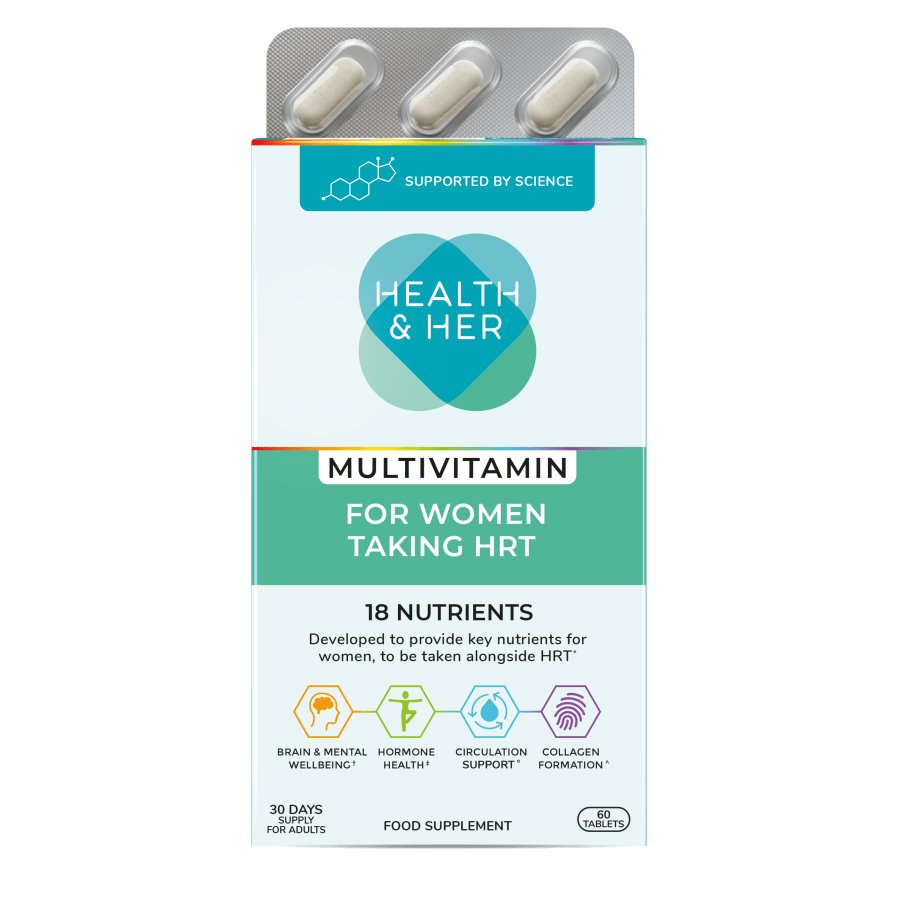
Health & Her Multivitamin for Women Taking HRT (£16.99, healthandher.com)
Take two tablets daily alongside HRT for a spectrum of vitamins and minerals, such as B vitamins, folic acid, magnesium and zinc, to boost your brain and hormone health.
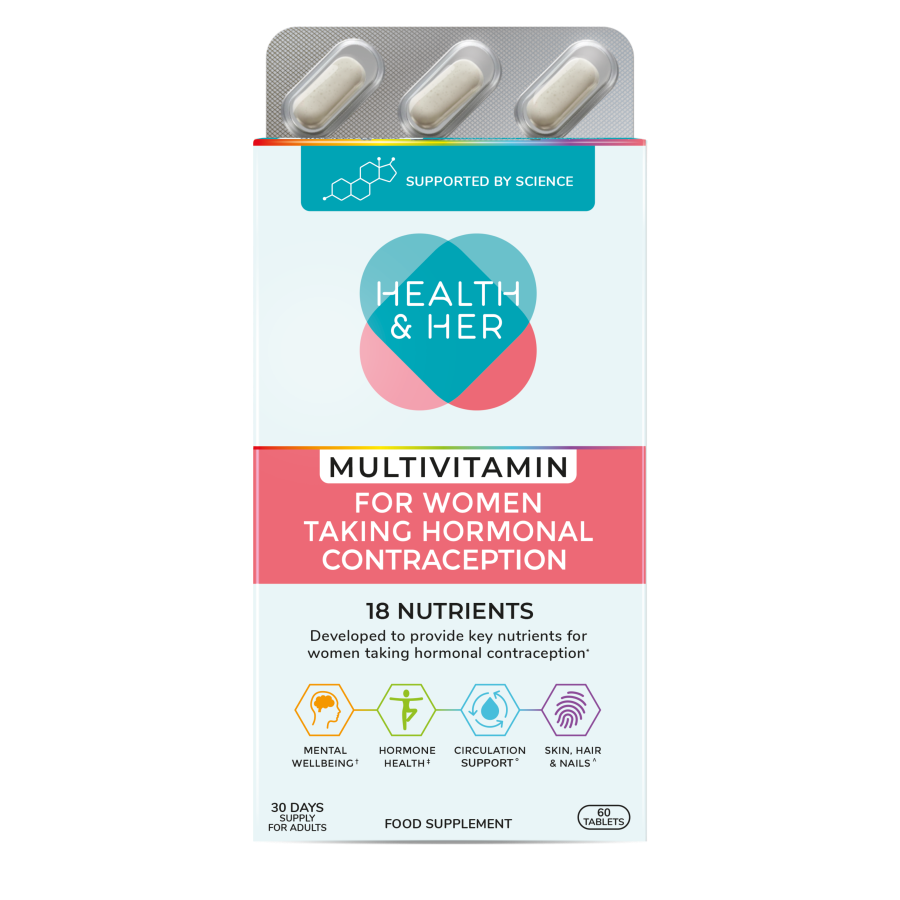
Health & Her Multivitamin for Women Taking Hormonal Contraception (£16.99, healthandher.com)
Formulated for the nutritional requirements of women taking hormonal contraception, including vitamins B2, B6, B12, C and E, selenium and zinc.
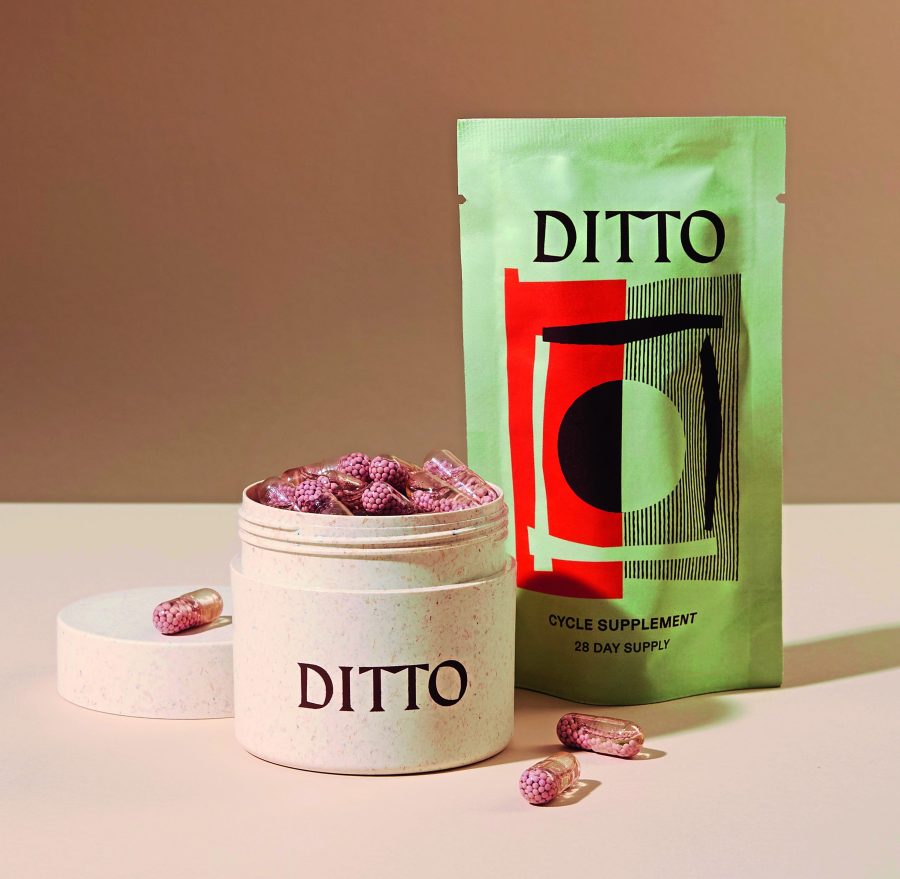
DITTO Cycle Supplement (£54, dittodaily.com)
This contains 10 nutrients, such as omega-3, magnesium, iron, zinc, and vitamins D and C to reduce menstrual cramps, bloating, mood swings and fatigue. Helpful for PMS, PCOS, endometriosis or perimenopause.
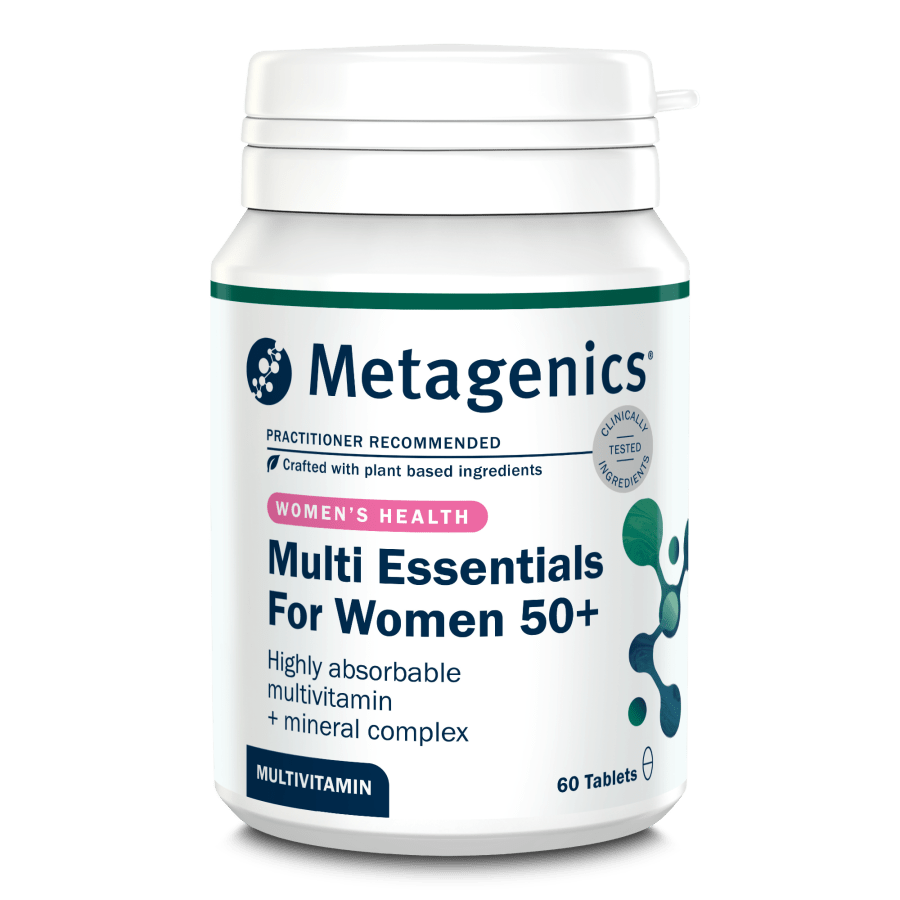
Metagenics Multi Essentials for Women 50+ Multivitamin (£28, metagenics.co.uk)
Contains 28 essential nutrients and botanicals in bioavailable forms, targeting health priorities such as bone strength, immune function, energy, joint health, brain support and stress resilience. Ideal if you’re on HRT.