
Demand for wrinkle relaxers, such as Botox, has mushroomed since it was first used aesthetically more than three decades ago. But have we reached the tipping point? We talk to skincare experts about the possible side effects and things to know before taking the plunge
Words: Katy Sunnassee & Angela Kennedy | Images: Shutterstock
Refreshing and refining your look – perhaps with a cut and colour at the hairdresser’s or a new outfit – leaves you feeling uplifted and boosts your confidence. Why? Because wanting to look and feel your best is hardwired into humans.
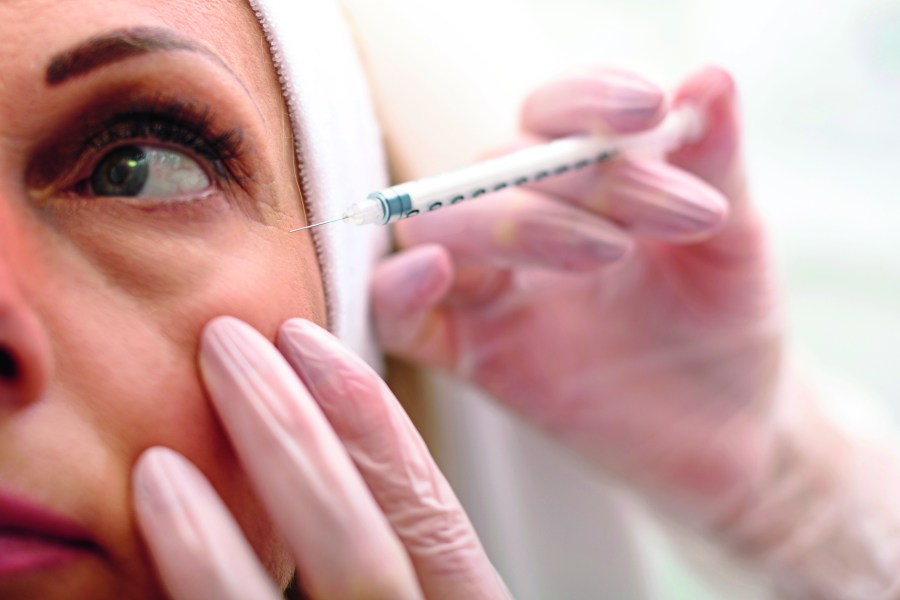
But what about when your pick-me-up routine involves paralysing your muscles with an injection of microbial toxin into your face? That’s what you’re doing when you have Botox. Despite the grim description, it’s an ongoing trend that shows no sign of slowing down – with an estimated 900,000 injections carried out in the UK each year.
The skin-smoothing toxin in question is botulinum neurotoxin, which is sold under several brand names – the original and most (in)famous is Botox. It’s used to treat medical conditions, such as muscle spasms and excessive sweating – but it’s become a massive cultural phenomenon as a beauty treatment for smoothing skin.
The toxin temporarily paralyses muscles to soften expression lines and stop new wrinkles forming for about three to six months. Sounds a bit horrifying when you think – toxin and paralysis! But it’s generally considered ‘safe, effective and largely devoid of serious side effects’. Of course, that’s provided it’s administered by a highly trained medical professional.
Botched Botox is no joke, resulting in drooping eyelids or eyebrows, asymmetry or a frozen look. However, despite close to one million botulinum neurotoxin injections being carried out in the UK each year, a government-approved register, Save Face, received only about 750 complaints directly related to Botox in 2022.
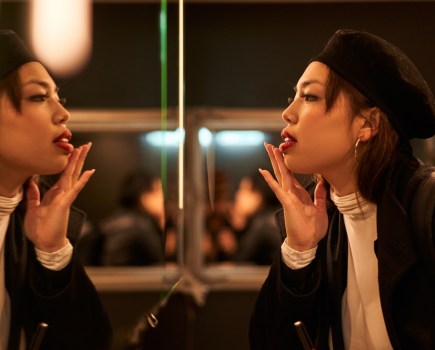
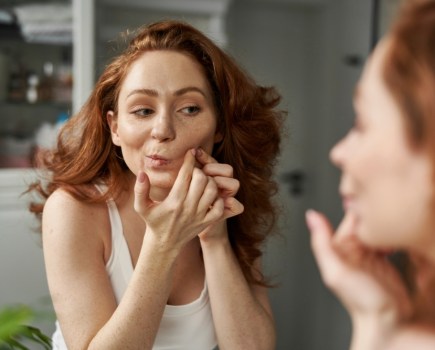
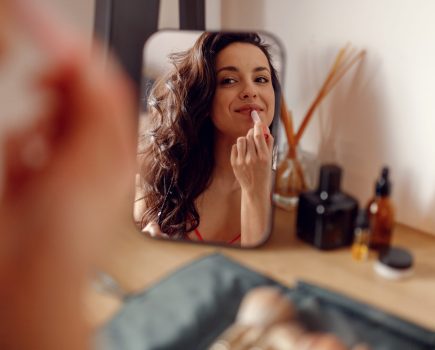
As for why so many people use wrinkle relaxers? Simple – it makes them feel better. ‘I believe women have Botox as a boost to self-esteem – looking in the mirror and feeling confident is so important,’ says Angeline Davies, 49, co-founder of MenoMY (menomy.com) who creates products for women in peri-and menopause.
‘So, if Botox makes you feel that, then go for it! If you believe you feel better about who you are because you have less furrow lines or crow’s feet, then enjoy it. It’s your choice. However, before having any procedure you should do your research carefully to weigh up the pros and cons.’ For smoothing results minus the needle, the MenoMy Brighten & Renew Eye Cream is being called “Botox in a bottle” by customers. It contains an anti-fatigue agent and radiance promoter, Prodizia – made from Persian silk tree bark – to iron out fine lines and banish dark circles.
Harm to health?
Although wrinkle relaxers are wildly popular and considered generally safe (for now), there is a growing backlash flagging up health issues that may be side-effects of the toxin.
Lisa Harris (lisaharrisskinscience.co.uk), a celebrity beauty therapist of 30 years, has always been sceptical about wrinkle relaxers and what they do to the body. She’s avoided using them on her clients, instead favouring muscle-stimulating devices as opposed to Botox, which freezes muscles. ‘I’ve been concerned about the largely unregulated injectable industry and the devastating health and wellbeing effects of botulinum toxin for decades,’ says Lisa.
‘The toxin accelerates ageing beyond anything the environment can do, and faster. It creates muscle atrophy, where the muscle collapses, and muscle is essential for supporting facial contours.’ And Lisa says she can spot a Botox user from afar. ‘Their forehead always appears flat where muscle in the brow is no longer naturally present.
‘Skin may appear transparent, and brows can droop. It can also damage the nerves short term and long term, which eventually causes thinning of the skin,’ says Lisa.
That’s just from an aesthetics point of view. Health-wise, wrinkle relaxers can cause life-changing effects. ‘You can have immediate reactions to the toxin that, at worst, can quite literally leave you without use of your limbs, and with paralysis, seizures, cognitive impairment and even the inability to speak. This is what people sign up to when scribbling their names on consent forms that do not warn you of major side effects.
‘As a holistic therapist, I realised through my use of electrical stimulation devices, starting back in the 1990s, that I was providing rejuvenating results by building skin up and strengthening muscles to provide the scaffolding for women’s faces. In contrast, Botox stops muscle use and leads to muscle deterioration, removing this scaffolding.
We need facial and body muscle to retain a youthful appearance, but Botox depletes it,’ says Lisa, adding that Botox is sometimes administered into women’s calf muscles to slim them down. ‘Botox effectively shrinks the calf muscle by paralysing it,’ she explains. The other concern is that wrinkle relaxers can damage nerves. Nerves help stimulate how your cells speak to each other, controlling emotional expression and movement. ‘The toxin blocks chemical signals from nerves that causes muscle to contract.
‘When you stop a muscle moving and nerves connecting, you are cutting off supply of essential oxygen and nutrients that feed the skin and muscle. This is why skin will thin in density and be less healthy, ageing it considerably faster than it naturally would. Skin thins as we age anyway, so why would you administer a toxin to thin it faster?’ asks Lisa.
‘While nerves can repair and regrow to reconnect, when you continue to have Botox or have treatments close together, there is no time for nerves to reconnect. Nerves may never be able to regrow,’ she warns.
Want a natural facelift? This 5-minute facial yoga workout is the best beauty secret for anti-ageing
Fresh not frozen
Another sceptic of Botox is Justine Masters who, at age 54, shuns it in favour of treatments that strengthen muscles and boost collagen to improve skin. ‘I actually used to have it, before I became a facialist,’ she says, ‘But I stopped as I had issues after treatments, such as puffiness and fluid under the eyes. Also, my stomach was always bloated whenever I had it! I believe it caused my gut issues, which appeared as nausea, constipation and an upset stomach. A health practitioner said it may have impacted my gut bacteria.’
According to Justine, the problem is people love a quick-fix, whereas taking care of your skin properly means time and effort. ‘It’s seen as an easy way to remove wrinkles and fine lines. Also, social media trends, which are often very ageist, impact what people think looks normal. Others believe it’s a preventative solution to lines and wrinkles – but with no research to say it is, though.’
In fact, prolonged use of wrinkle relaxers, such as Botox, can negatively impact the texture of your skin. ‘It may contribute to thinner, crèpe-like skin, especially if started at a young age. I see this all the time in my treatment room. Plus, long-term use may weaken facial muscles and lead to a frozen appearance. It can also cause rare side effects such as botulism-like symptoms if misused,’ says Justine.
So, what can you use instead of toxins for smoother skin that is nourished and nurtured instead of frozen? ‘I use cutting-edge skincare, such as growth factors and biosomes to help plump, lift and hydrate, as well as treatments that boost collagen production to lift and tone, and aid natural cell turnover,’ says Justine.
Professional treatments Justine uses on clients and on herself include radio frequency – a nonsurgical tightening treatment to firm sagging skin and stimulate collagen; microcurrent therapy, which uses tiny bursts of electricity to lift facial muscles and helps with lymphatic flow; and CoolJet cold plasma pen for collagen production, to calm inflammation and brighten skin tone. Microneedling is also a good way to lift, brighten, reduce pore size and tighten loose skin, especially the neck and jowls, says Justine.
Justine recommends
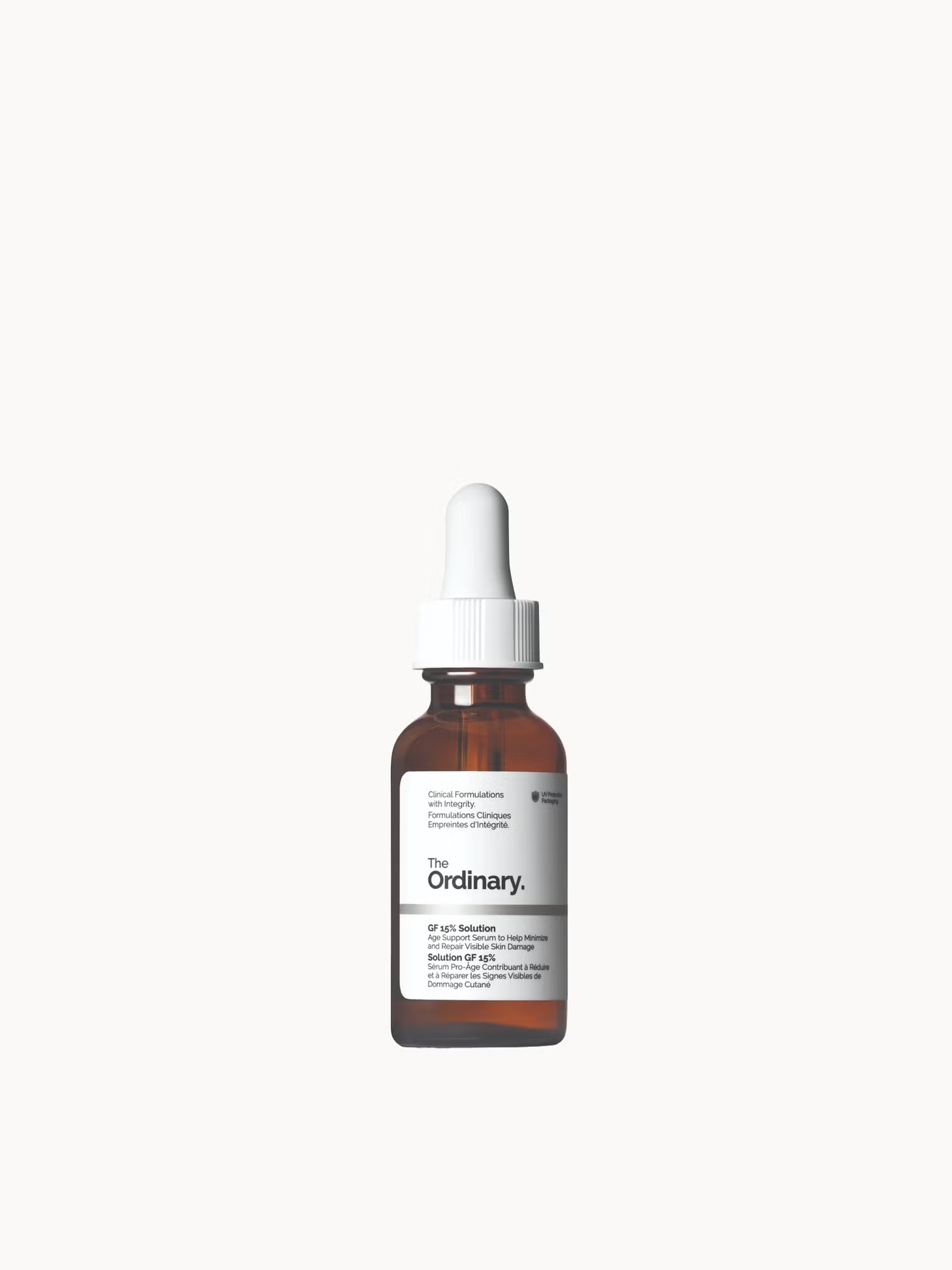
The Ordinary Growth Factors 15% Solution
Top Sante verdict
Powered by components found naturally in the skin, including EGF, IGF and TGF, The Ordinary’s Growth Factors 15% Solution is designed to address a variety of skin concerns- Visibly smooths, firms and balances with components found naturally in the skin
- Helps to minimise the look of fine lines
- Improves the skin’s elasticity for a firm, collagen-rich illusion
- Refines the appearance of texture, balances tonal irregularities and hydrates
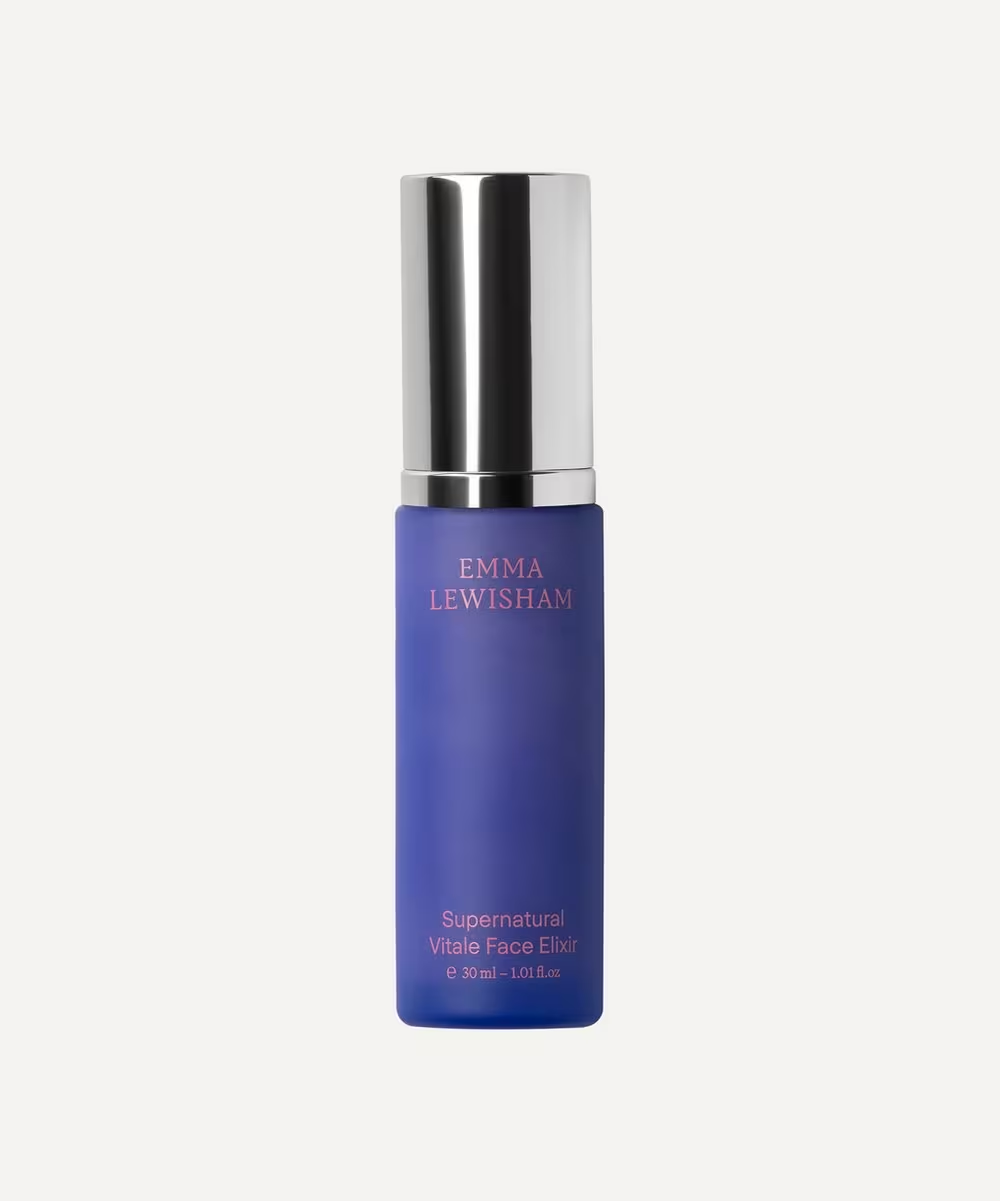
Emma Lewisham Supernatural Vitale Face Elixir
Top Sante verdict
Harnessing the power of a proprietary Neuropeptide Relaxant Complex, this innovative formula works to inhibit the muscle contractions that lead to fine lines and wrinkles- Leaves skin intensely hydrated, plumped, firmed and smoothed
- Facial muscle relaxant
- Prevents and reduces wrinkles and fine lines
- Boosts collagen synthesis
- Strengthens the underlying dermal matrix
- Provides an instant filling effect
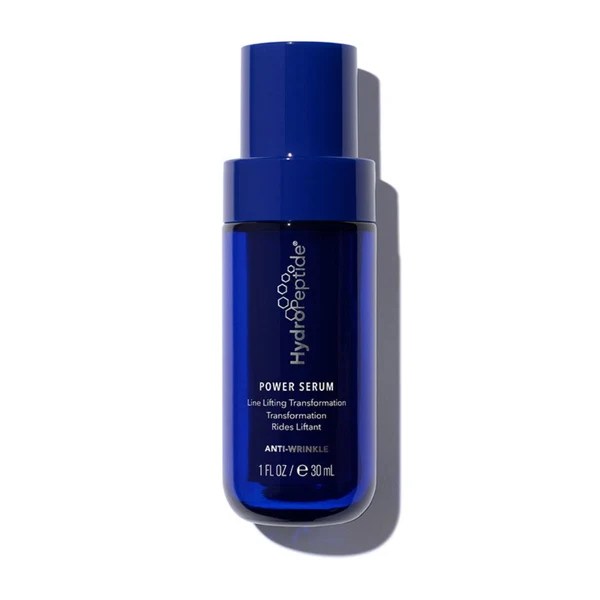
HyrdroPeptide Power Serum
Top Sante verdict
This skin transforming formula unites the most advanced skin correcting elements to revive skin at the cellular level, insuring ageless performance, protecting the skin’s DNA and replenishing beauty- Powerful blend of 13 powerful peptides
- Contains the growth factor activating plant extract Crocus Chrysanthus Bulb
- Skin is strengthened, increasing firmness, improving elasticity and diminishing fine lines
- White tea and alpha lipoic offer antioxidant protection against environmental damage
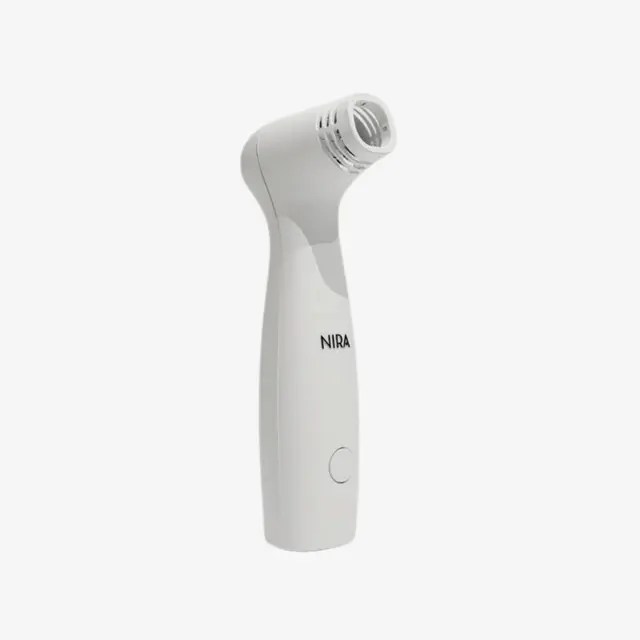
NIRA Pro Laser
Top Sante verdict
Using advanced non-fractional laser technology, this device stimulates the body’s natural collagen production process – remodelling existing collagen and encouraging new collagen growth- Stimulates natural collagen production
- Includes 9 comfort levels with Silent Mode
- Provides 75% higher-capacity battery
- Pain-free with zero downtime
‘Together these are a great alternative to Botox as they smooth and tighten while also giving you glowing, healthy skin – something Botox can’t do!’, says Justine.