
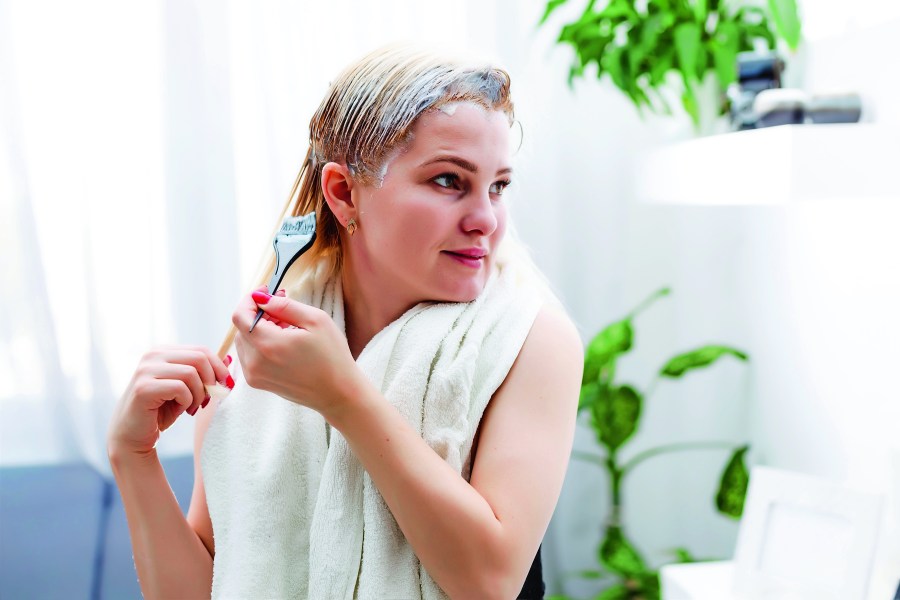
Hair feeling brittle from at-home botch jobs? Switch your regular home dye to gentler hair dye for healthy hair and vibrant color, says beauty expert Natalie Millman
Words: Natalie Millman | Images: Shutterstock & various brands
When choosing skincare products, you might be attracted to those with natural ingredients, but do you give your hair colour the same consideration? Let’s face it, by now your hair has probably seen it all – peroxide, ammonia and a whole host of unpronounceable chemicals – in your experiments with colour. But, as more natural and gentle formulations become available, maybe it’s time to reassess.
‘Ultimately it’s about using fewer chemicals, which can be astringent and damaging to hair and irritating to skin,’ says Karine Jackson, celebrity hairdresser specialising in organic colouring and sustainability (instagram.com/karinejacksonsalon). ‘Natural ingredients can benefit your hair and scalp, such as providing important nutrients. These products are generally healthier, with much less risk of allergy, no ammonia smells or toxic fumes, leaving hair in better condition.’
Chemicals in traditional hair dyes can have an impact on the environment but also some people’s health, as they have been known to cause allergic reactions. ‘Reactions to colour are rare,’ reassures Karine. Figures about how many of us are affected vary, but according to Allergy UK the number has tripled over the past 20 years. ‘The main culprit is PPD (p-Phenylenediamine), the ingredient that makes permanent colour permanent and is essential for colouring greys, which are coarser and harder to cover.’
Some brands may use a variant of PPD in their permanent dyes to act as the colour pigment, such as PTD (2,5-toluenediamine sulphate) or TDS (toluene-2,5-diamine sulphate), which are thought to be mildly less allergenic. ‘Other ingredients to consider are ammonia, which is highly toxic and causes respiratory problems, and resorcinol, a green colour pigment made from benzene, a chemical that has been linked to an increased risk of dangerous diseases,’ warns Karine.
Check the labels
‘People can develop sensitivity to these ingredients at any point in their lives,’ says Karine. It’s thought this is because your body can develop an immune response to the molecule over time. ‘Always do a skin test. Often a client will book a colour and say “I’ve had colour loads of times and I’m not allergic to anything”. But having had colour before doesn’t mean you won’t react. You need to skin test every time and wait 48 hours before getting your colour. It might not be PPD you have a reaction to – it might be an oil or other ingredient that differs between brands.’
Similarly, this skin test applies to home colour. When deciding what you buy or choose at the salon, here’s what to consider…
Plant-based dyes
You may have experimented with henna in the past but it’s stuck around for good reason. The leaves of the plant offer a burgundy dye that can give a vibrant tint to your hair, as well as strengthen it and increase shine. It works by staining the outer layer (the cuticle) of each strand, as opposed to synthetic dyes, which penetrate the inner layers. It will fade with time and may not completely cover greys.
Try: Logona Herbal Hair Dye. This comes in 12 shades, from Golden Blonde and Flame Red to Indigo Black. Mix the powder, which contains walnut, henna, beetroot, jojoba oil and wheat protein, with boiling water, or for a deeper colour, use brewed coffee or hot black tea. Alternatively, Logona Hair Color Cream, available in five shades, can be applied straight from the tube and is more suitable for covering greys. This is thanks to the green clay that preps the hairs for the pigment.
Try: It’s Pure, which are 100 per cent natural and organic herbal hair dyes in a variety of colours. Free from toxic chemicals, the dyes are made only from Ayurvedic herbs, including henna and amla, which give lasting colour, while helping improve volume, shine and condition. It’s Pure products are certified organic by the Soil Association.
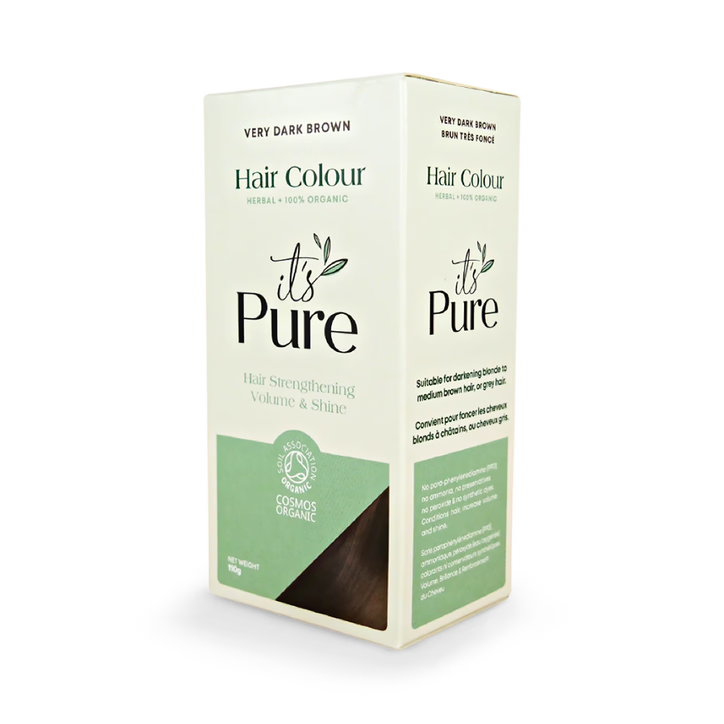
It’s Pure Organic Herbal Hair Colour
Top Sante verdict
An organic henna‑based hair dye that delivers glossy, natural colour and increased volume. UK made from pure plant ingredients, it coats the hair shaft semi‑permanently without peroxide or ammonia- Delivers glossy, natural colour
- 100% organic, Soil Association‑certified henna‑based powder made in the UK
- Free from PPD, ammonia, peroxide and synthetic dyes
- Conditions and strengthens hair while increasing volume
Semi-permanent dyes
If you don’t need a long-lasting colour, these offer the benefits of natural ingredients without the likes of PPD. They can be used to enhance or darken your natural hair colour but not lighten it, as they don’t contain peroxide. Note that both of these brands have permanent ranges, which contain low levels of PPD.
Try: Tints of Nature Henna Cream is a semi-permanent solution that’s free from PPD, PTD, TDS and resorcinol and instead uses henna and plant extracts. It’s available in nine shades, lasts 12 washes and covers 80 per cent of greys.
Try: Naturtint Reflex comes in six shades, all of which shun PPD, PTD, peroxide, ammonia, resorcinol, parabens, mineral oils and paraffin in favour of plant and seed oils and extracts. It lasts up to 10 washes and can be used to blend grey hairs.
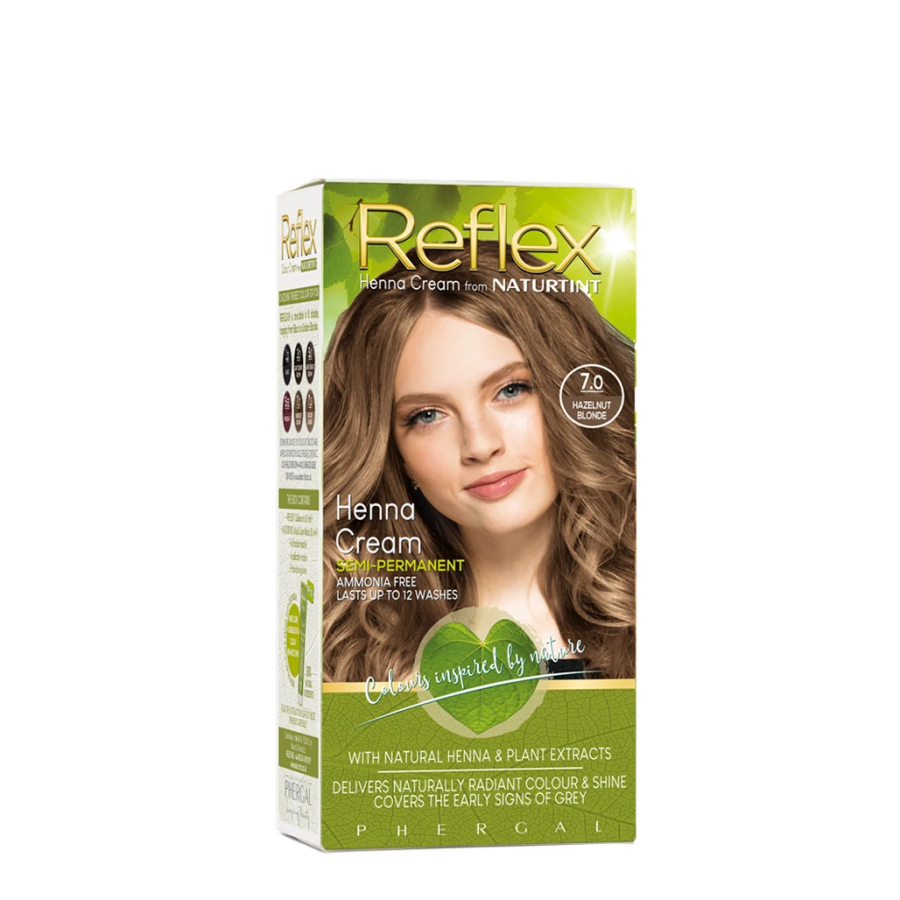
Naturtint Reflex Semi-Permanent
Top Sante verdict
Naturtint semi-permanent hair colour contains naturally conditioning henna and nourishing ingredients which help soften and add shine to hair while maintaining the health of your scalp- A natural hair dye that’s free from PPD(P-phenylenediamine), Ammonia, Resorcinol or Peroxide
- Covers grey hair and contains a fixing shampoo that keeps your colour in place for up to 12 weeks
- Gentler to use than permanent hair colourants and suitable for sensitive skin
Permanent dyes
While it’s possible to find permanent home dyes that don’t contain PPD, they usually contain similar chemicals such as PTD and TDS. These are best avoided if you’ve ever experienced an allergy – seek professional advice instead – but they are gentler than conventional dyes.
Try: NaturVital PPD Free Coloursafe Permanent Hair Colour. This contains TDS but no ammonia or resorcinol. Each pack contains a sensitive shampoo and hypoallergenic hair mask, Comes in 10 shades and covers greys in 20 mins.
Try: Tints of Nature Permanent Hair Dye is non-toxic and free from harsh chemicals, such as ammonia and parabens. It offers full grey coverage with natural and organic ingredients to nourish and protect, and is vegan and cruelty-free.
Try: Patrice Mulato Colour One gives a much more natural and transparent result than with oxidation dyeing (traditional dye). It brings out the natural hair pigmentation with hair-protective ingredients such as jojoba oil.
Try: Ayluna Natural Plant-based Hair Dye is free from PPD and synthetic ingredients. This dye coats every strand of hair instead of penetrating inside the hair with colour. So, unlike chemical hair dyes, it has no impact on the natural hair structure. Available in 12 shades.
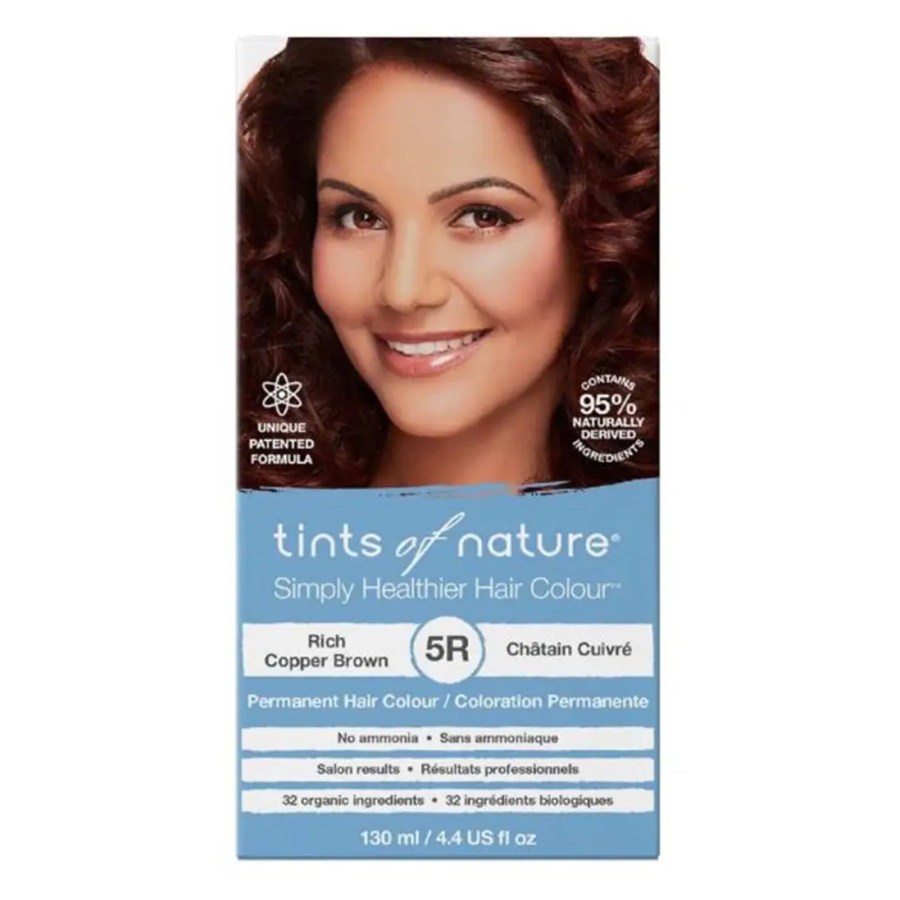
Tints of Nature Permanent Hair Dye
Top Sante verdict
A salon quality hair dye with a patented plant oil base, free from Ammonia, Resorcinol, Parabens and Silicone. It is enriched with natural ingredients for healthy home hair colour without damage- Ammonia-free permanent formula
- Salon quality results
- Plant oil base
- No parabens or resorcinol
Salon colour
Organic Colour Systems was invented by a hairdresser who developed a terrible allergy to hair colour – it drove him to devise an ethical range with the lowest amount of chemicals that uses natural ingredients where possible, and still delivers professional results. The range has the lowest possible amount of PPD for a permanent colour. To find a salon near you, visit organiccoloursystems.com.
L’Oréal Botanea is made up of three herbal ingredients – cassia, henna and indigo – which are mixed by your colourist to suit your requirements. The herbal powders give personalised colour results, from light blonde to dark brown, with greys and white hair blended for a natural result. For your nearest salon, see lorealprofessionnel.com.
Aveda Professional Colour is formulated without synthetic glycols, phthalates, BHT, Kathon, nitro dyes or parabens. It uses certified organic conditioning oils, such as sunflower, castor, jojoba, coconut and babassu, to help condition hair and provide radiant shine. These ingredients also support organic farming, which follows standards of agriculture that are better for the planet. Staying true to its impressive eco-credentials, the dyes are manufactured with 100 per cent wind and solar power. Find salons at aveda.co.uk/professional-colour.
The quick fix
If you’re happy with your natural hair colour but not the greys, Herbatint Temporary Hair Touch Up is a natural and vegan-friendly way to mask greying roots. The precision brush lets you apply just the amount you need to cover up, and added almond oil helps to detangle and moisturise at the same time. Free from ammonia, resorcinol and mineral oils among other things, the packaging is also made from recycled plastic.
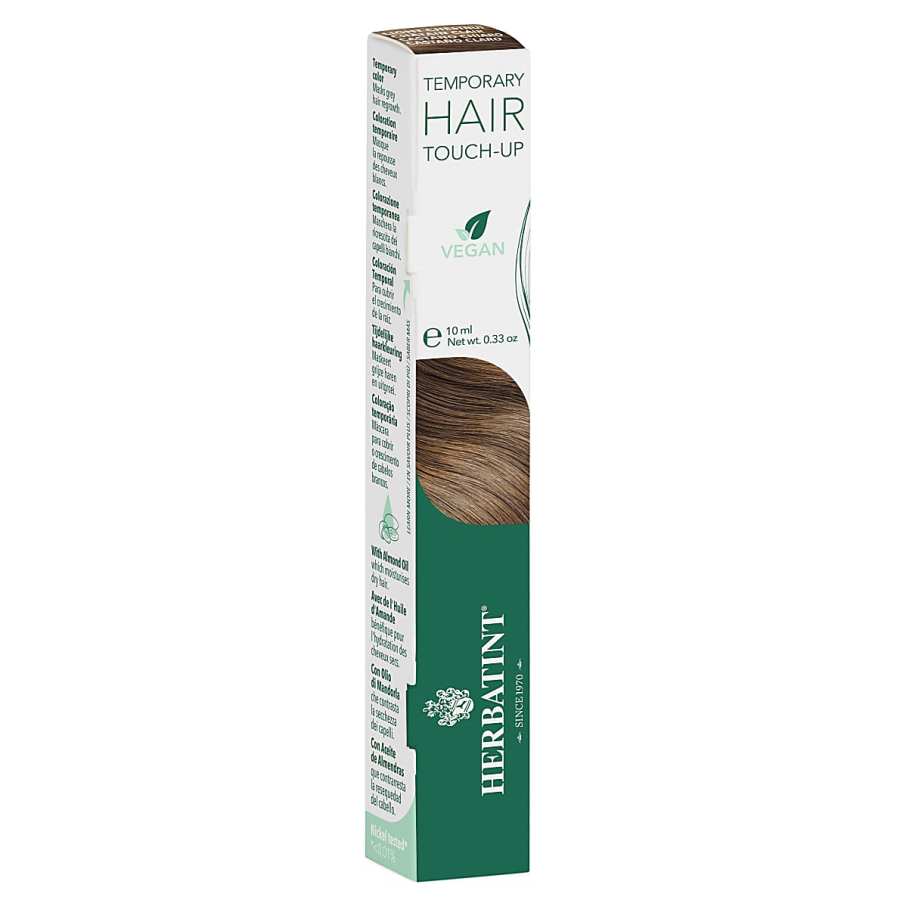
Herbatint Touch Up Stick
Top Sante verdict
A vegan friendly solution that instantly masks grey hair in a quick and easy way. With added almond oil helps to moisturise the hair- Vegan ingredients and made with sustainable Palm oil
- Unique brush allows precision, covering greys in a single application