
With rosacea flare-ups more common in the summer months, we look at why this is as well as how to minimize rosacea flare-ups naturally if you’re one of the one-in-10 people it affects
Words: Alison Hardinge & Rebecca May | Images: Shutterstock & various brands
Rosacea is a very common skin condition that affects up to a reported four million people in the UK, so it’s surprising that there’s still so much research to be done on the causes behind it. And more than half of rosacea sufferers say their symptoms are much worse during the summer, with the intense sun, hot humid weather and increased physical activities posing the biggest problems for people, as surveyed by the National Rosacea Society.
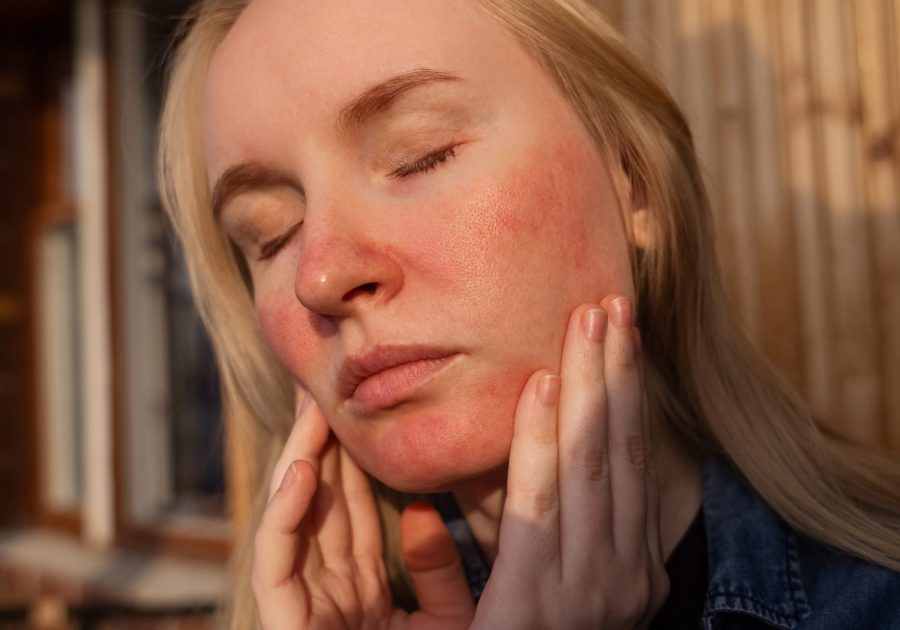
‘Rosacea is a long-term skin condition that affects the face, causing facial redness, blushes and flushes, or where visible blood vessels appear. An early diagnosis is important to reduce symptoms, which can develop into uncomfortable spots, burning or stinging sensations,’ says Lorena Öberg, skin repair expert and founder of Lorena Öberg Skincare (lorenaoberg.co.uk).
‘Permanent redness can be a factor, and another reason to treat sooner rather than later. Harsh winds and icy cold temperatures make the condition problematic in the winter, but hot temperatures can also trigger irritation,’ says Lorena.
Lifestyle and genetics
‘An increasing number of people are suffering from allergy prone skin conditions, and we are more exposed to processed foods, chemicals and pollutants in our food, water and air,’ says Emina Avdukic, educational trainer at Rosalique and CIDESCO beauty therapist (rosalique.co.uk). ‘Your skin is the largest organ, which many of us forget, so it’s important to feed your skin from within with food that has anti-inflammatory properties as that will, in turn, help reduce inflammation,’ she adds.
A woman’s issue
Rosacea is more prevalent in women and in those aged between 30 and 50. ‘Women with fair skin and light eyes, often from Celtic or Scandinavian ancestry, are more likely to develop rosacea than men’, says Emina. ‘Female patients can find rosacea tends to be exacerbated at a time when they are changing their birth control, have children or approach menopause,’ adds Lucy Phillips, MD of medical and cosmetic dermatology clinic Kaizen Medical (kaizenmedical.co.uk).
The exact cause of the condition though is unknown. ‘It’s thought that an individual’s genetics and immune system, as well as environmental factors, can all play a part, leading to a hyper-responsiveness of the blood vessels of the central face,’ says Dr Munir Somji (drmedispa.com), adding: ‘There are a variety of triggers that can make rosacea worse, or flare up. Along with sun exposure, stress, strenuous exercise, alcohol, caffeine, spicy foods and extreme weather can all be a problem.’
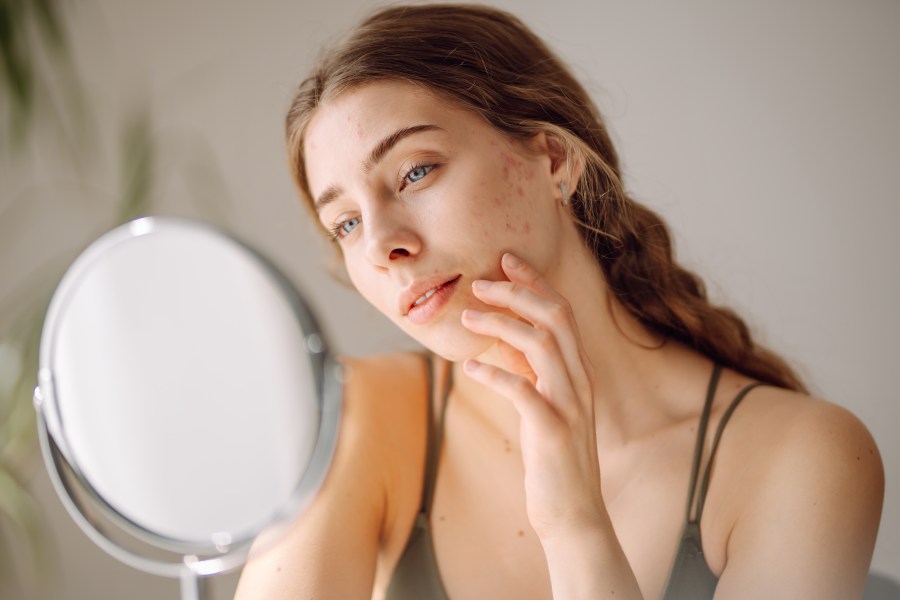
Manage summer flare-ups
Although in severe cases rosacea can cause constant pain, experts agree that there are a few ways to minimise symptoms and reduce its appearance. ‘Not everyone’s skin reacts the same way, but it is possible to learn what your personal trigger is and manage your lifestyle more effectively to limit the impact of rosacea,’ says Lucy.
‘There is a variety of topical treatments on prescription, as well as laser options, which are designed to target specific aspects of the condition, such as the redness or papular/pustular symptoms. It’s always best to talk to a GP or dermatologist about topical antibiotics, which may be a solution if deemed necessary,’ says Dr Somji.
Laser treatment is another route you could take to help minimise symptoms. ‘Specialist laser treatments can be highly effective in fading rosacea blemishes, and more than 25 per cent of patients will notice a significant improvement. The laser offers people a low-risk option by delivering a pulse of yellow light to the effected blood vessel, which essentially closes it up’, says Lorena.
Gentle chemical exfoliants can also help improve sensitive skin. ‘I recommend keeping rosacea under control with polyhydroxy acids, including gluconolactone, which has incredible barrier-building and hydrating properties. It also provides a high level of antioxidant protection, alongside helping to reverse signs of environmental damage,’ says Dr Somji.
SPF and make-up
It’s wise to cover up with a broad-spectrum UVA/UVB if you have rosacea. ‘This is a must all year round, but especially in summer as it will help to reduce flare-ups and keep your skin protected. If you are planning to be outside for long periods, re-apply sunscreen at least every two hours,’ advises Emina, who also recommends wearing a hat or sunglasses, keeping out of direct sunlight, avoiding peak hours when the sun is at its strongest (10am-4pm), and carrying a water spray mist with you. ‘Also avoid washing your face with hot water, as it might dry out skin even more,’ she adds.
There are ways to cover up redness with clever new make-up products too. ‘As well as looking for a treatment plan, clients are asking for make-up to help cover up blushing or spider veins,’ says Laura Kay, founder of aesthetics and beauty clinic Laura Kay London (laurakaylondon.com). ‘Make-up products with a blue or green undertone help neutralise redness, which helps temporarily restore the natural skin tone for a short-term solution.’
Try these…
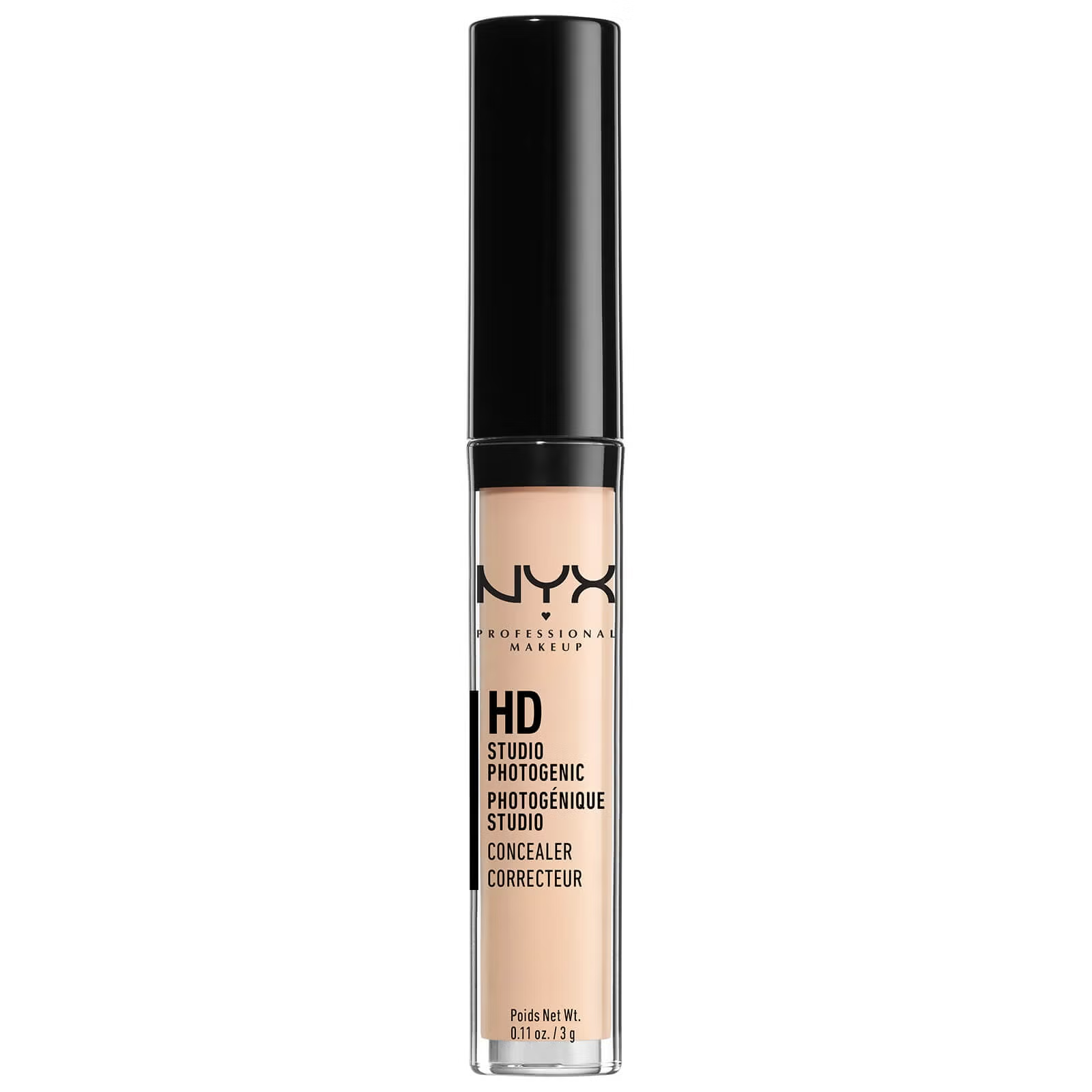
NYX Professional Makeup HD Photogenic Concealer Wand
Top Sante verdict
This affordable product comes in a range of colour-correcting undertones to provide confidence-boosting coverage, including purple, green and yellow to neutralise sallowness, redness and dark circles- Medium to heavy coverage but feels lightweight with a natural finish
- Concentrated formula rich in nourishing emollients to help blur the appearance of blemishes
- Available in colour-correcting purple, green and yellow for sallowness, redness and dark circles
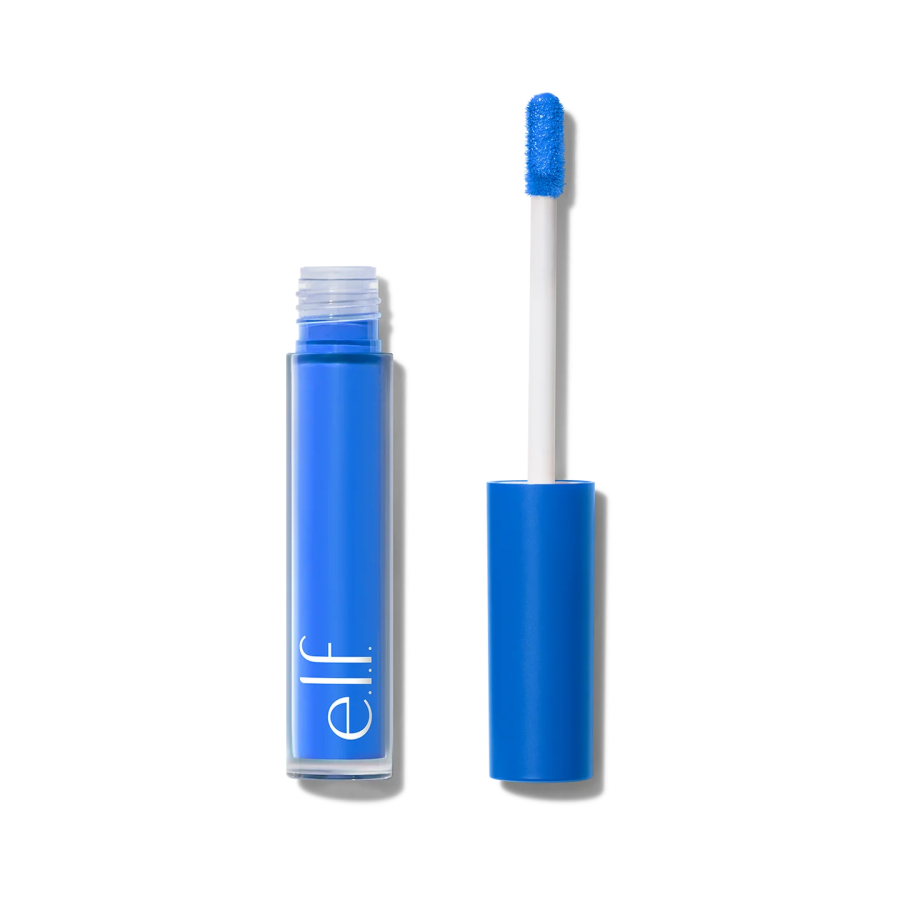
e.l.f. Camo Colour Corrector
Top Sante verdict
Mixed in with your regular foundation, the blue tone helps neutralise red skin as it illuminates and reflects the light giving you a natural glow. Use a few dabs and blend!- Layers well underneath foundations and concealers
- Long-lasting and crease-resistant
- Full coverage with a satin finish
- Contains hyaluronic acid for added hydration
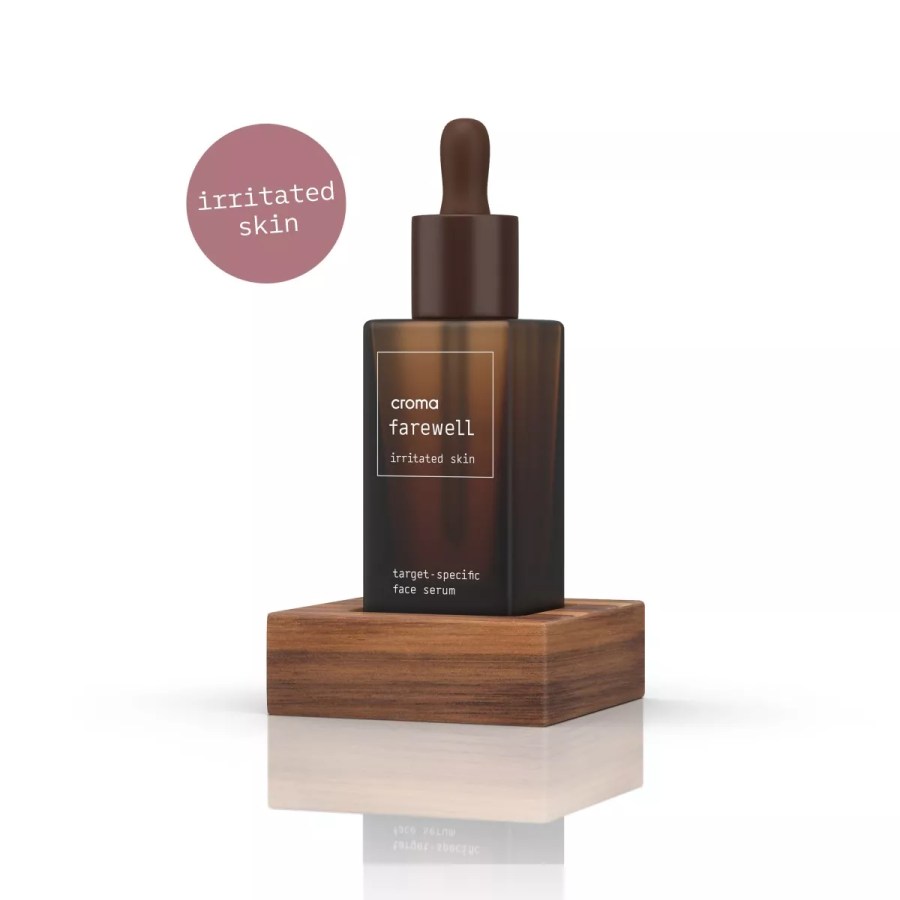
Croma Farewell Irritated Skin
Top Sante verdict
Made from natural ingredients, this face serum for irritated, sensitive skin contains hyaluronic acid, madecassoside, niacinamide and D-panthenol to soothe irritations and reduce redness- Strengthens the skin barrier
- Especially formulated for irritated, sensitive skin
- Contains Hyaluronic Acid, Madecassoside, Niacinamide and D-Panthenol to increase elasticity
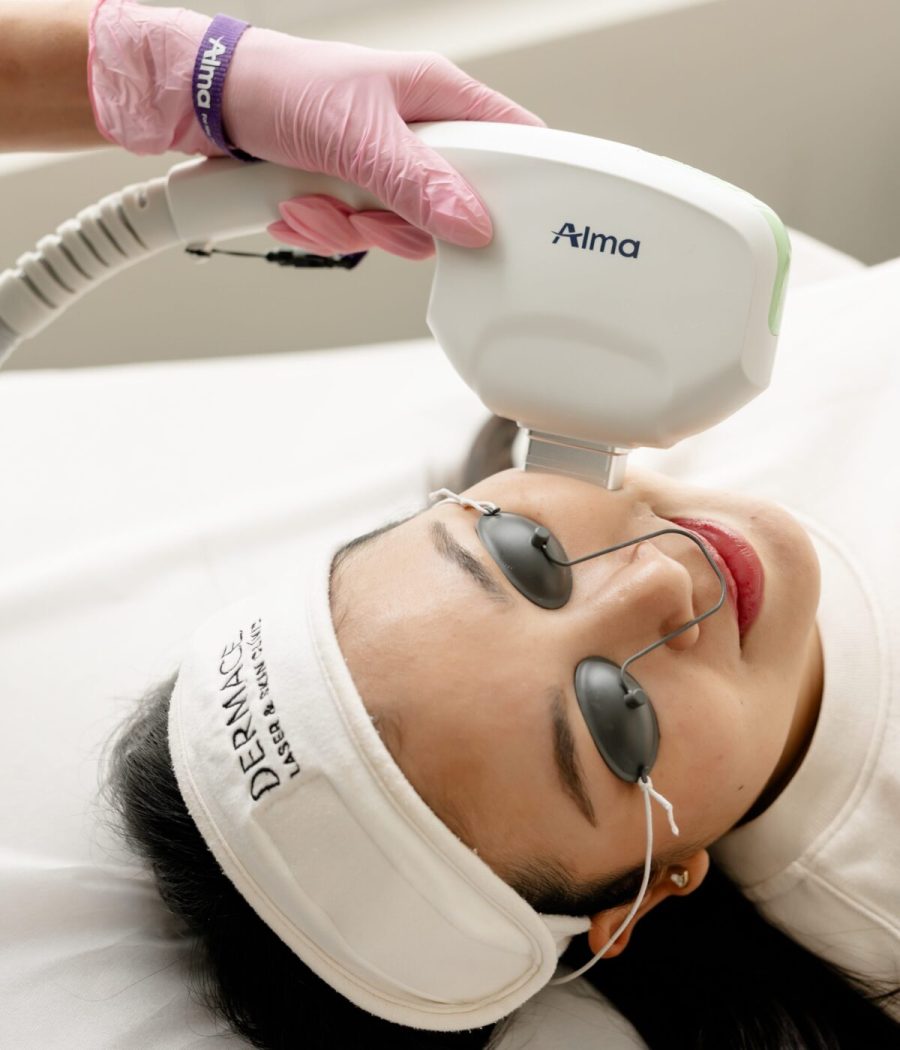
Dye VL Laser
Top Sante verdict
The Dye-VL Laser is ideal for rosacea and is the most advanced technology available. It’s not only great for rosacea symptoms but also superficial vascular lesions and acne rosacea- Uses light energy to target chromophores – the molecules that give a lesion its color
- The contact cooling on the handpiece ensures that the treatment is as comfortable as possible
- The target is destroyed by the end, is broken down by the body and gradually filtered out over time
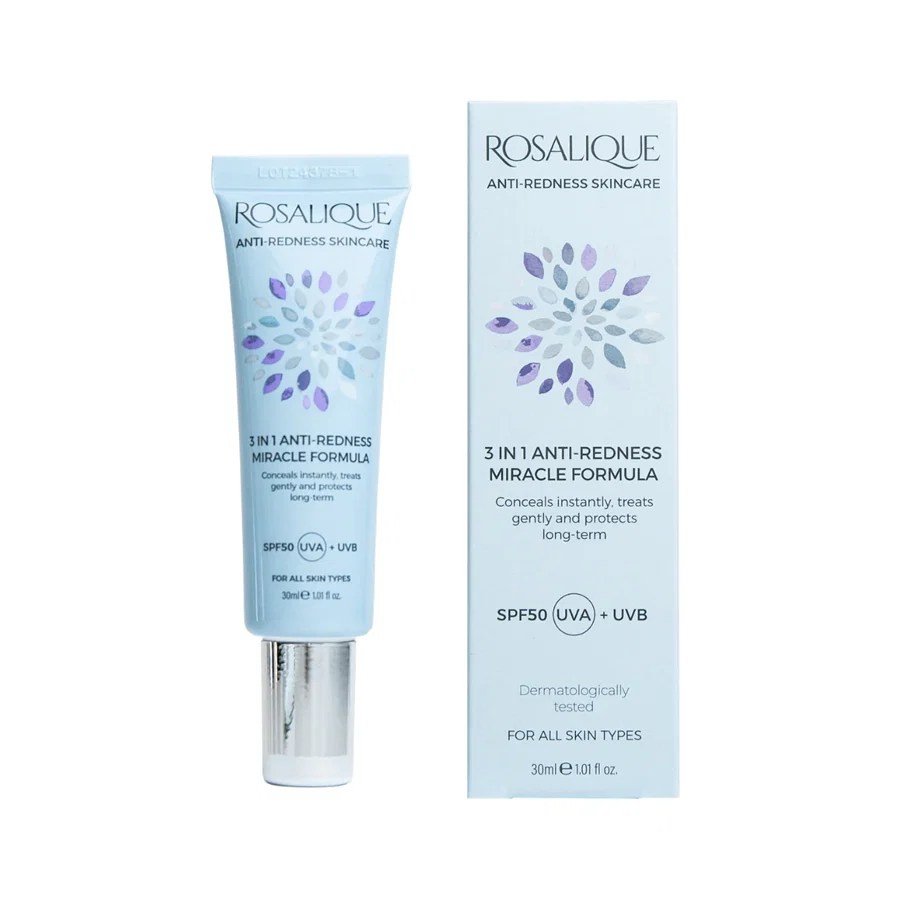
Rosalique 3 in 1 Anti-Redness Miracle Formula SPF 50
Top Sante verdict
Rosalique has a triple-action effect, so it has the ability to instantly conceal, treat the skin gently with natural ingredients and protect it long term- Free from fragrance, which often can irritate an already sensitive skin
- Conceals instantly with unique micro encapsulated green pigments masking any redness
- Contains 5 active ingredients to gently soothe and treat redness
- Protects long term from UVA & UVB rays with an SPF of 50