
Living life organically shouldn’t just apply to our food cupboards and skincare routines – it can also work for our wardrobes. I spoke to designer Carol Wiltshire about the benefits of natural fibres clothing – and discover how checking the label can help with climate anxiety too
Words: Amy Dowrick | Images: Shutterstock & various brands
According to a recent report, 48% of Brits are feeling more anxious about climate change following the recent summer heatwaves – and more than 50% are fearful for what’s to come in the future. But try not to sink into a pit of doom – if you’re wanting to know how to make a positive impact, questioning your clothing choices is a good place to start.
“There is growing fatigue with disposable fashion and constant consumption,” says Carol, who founded her own brand, String Nix®, after struggling to find underwear that combined comfort and quality with more considered fabric choices. “Many women are looking for fewer, better considered pieces that feel good, work hard in their wardrobe, and reflect their values.”
“For a long time, fashion has encouraged us to focus almost entirely on appearance, price, and trend – now, more women want to understand what a garment is made from, where it came from, how it was produced, how long it will last, and whether a brand can substantiate its claims.”
“It is no longer just about how something looks or how it performs in a campaign,” she adds. “More women are asking what fabrics they are wearing closest to their skin, how those materials have been treated, and what a brand can genuinely prove.”
Why you should make your wardrobe a natural one
According to Carol, the moment you start viewing your clothing choices as a priority, your perspective on what’s in your wardrobe will change.
“For me, the starting point is that clothing is not separate from us,” she says. “We wear it against our bodies for hours at a time, so it makes sense to think about fabric with the same curiosity we increasingly apply to skincare, food, and the products we use in our homes.”
“Natural fibres such as cotton can offer softness, breathability, comfort, and good moisture absorption,” she adds. “These qualities are particularly valuable in everyday clothing, during warmer weather, and in garments worn directly against the skin.”
How to build a natural wardrobe
Check the label
When opting for natural fabrics, Carol says to start with the fibre composition label – but don’t stop there.
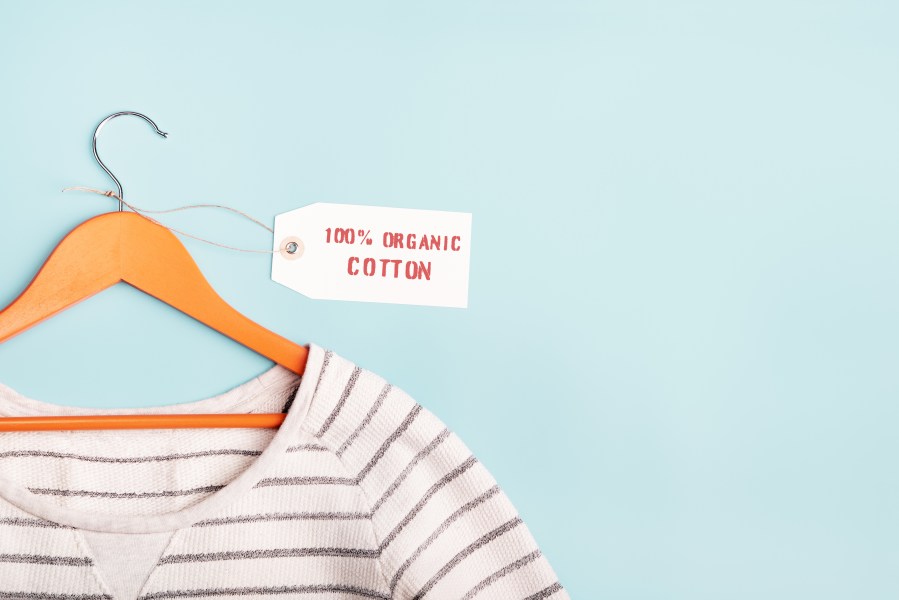
“Cotton, linen, hemp, wool, and silk are all natural fibres, but each has different properties, uses, environmental considerations, and care requirements,” she says. “A natural fibre is not automatically organic, responsibly produced, or free from intensive processing.”
“Look for specific information rather than broad language,” she adds. “Words such as ‘conscious’, ‘eco’, ‘green’, and ‘natural’ can sound reassuring, but they do not explain how a material was sourced or processed.”
If you’re shopping for cotton, for example, look for certified organic cotton and transparent information about the standard being used.
Consider its purpose
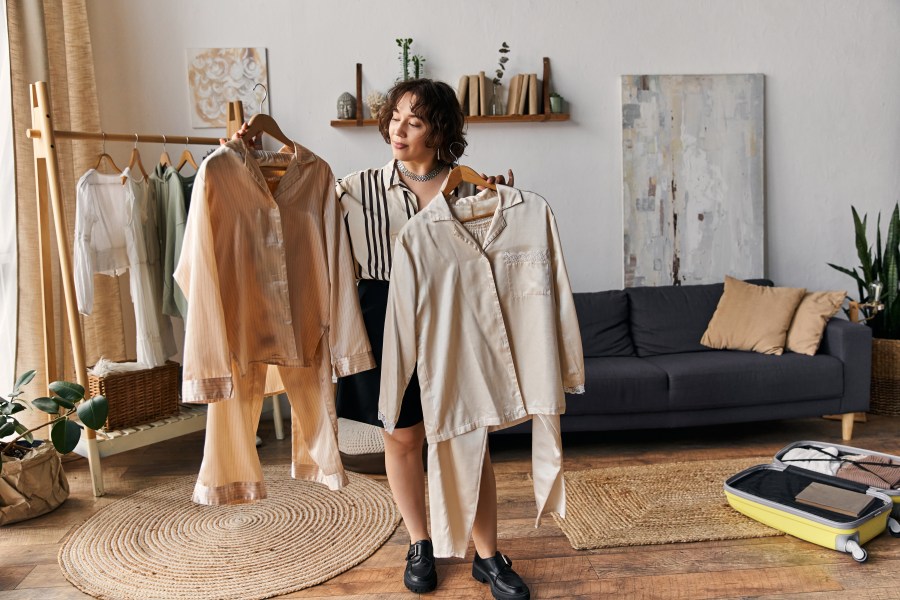
Try to avoid buying one-off pieces that can only be worn in one season – clothes that suit everyday wear and can be layered up are a bonus for your wardrobe.
“Linen may be wonderful for summer clothing, wool can offer warmth and temperature regulation, and cotton can be especially appealing for soft, breathable everyday layers,” Carol says.
Picture it worn
Finally, think beyond the label.
“Does it fit properly? Is it comfortable? Will you wear it often? Can it be washed and cared for easily?” says Carol. “A garment that looks responsible on paper but remains unworn is not necessarily the better choice.”
Where to start
Building a new wardrobe doesn’t mean you have to splurge on linen trousers and cotton shirts – it might be easier to just start with what’s underneath.
Underwear is a manageable starting point for anyone who wants to introduce more natural fibres into their wardrobe – and since its worn closest to the body, it’s the most logical place too.
“Underwear sits directly against some of the most intimate and sensitive areas of the body, often for the entire day,” says Carol. “That makes comfort, breathability, fit, moisture management, and fabric choice especially important.”
And while cotton has remained a trusted underwear fabric because it’s soft, breathable, and comfortable for everyday wear, good underwear is not based on fibre choice alone.
“The cut, seams, elastic, gusset construction, dyes, finishing, fit, and quality of manufacture all affect how a garment feels and performs,” says Carol, who developed String Nix® to show that natural fibre underwear could still feel modern, elevated, and desirable. “We chose GOTS certified organic cotton for the main fabric, but we also spent a great deal of time considering the cut, fit, finish, and how the thong would feel during everyday wear.”
“GOTS considers more than the raw fibre alone – it also includes requirements around textile processing, chemical inputs, environmental responsibility, traceability, and working conditions,” she adds.
“Women should not have to choose between underwear that feels good, underwear that looks good, and underwear made with more considered materials,” she adds. “At String Nix®, we wanted to bring those qualities together in one everyday product.”
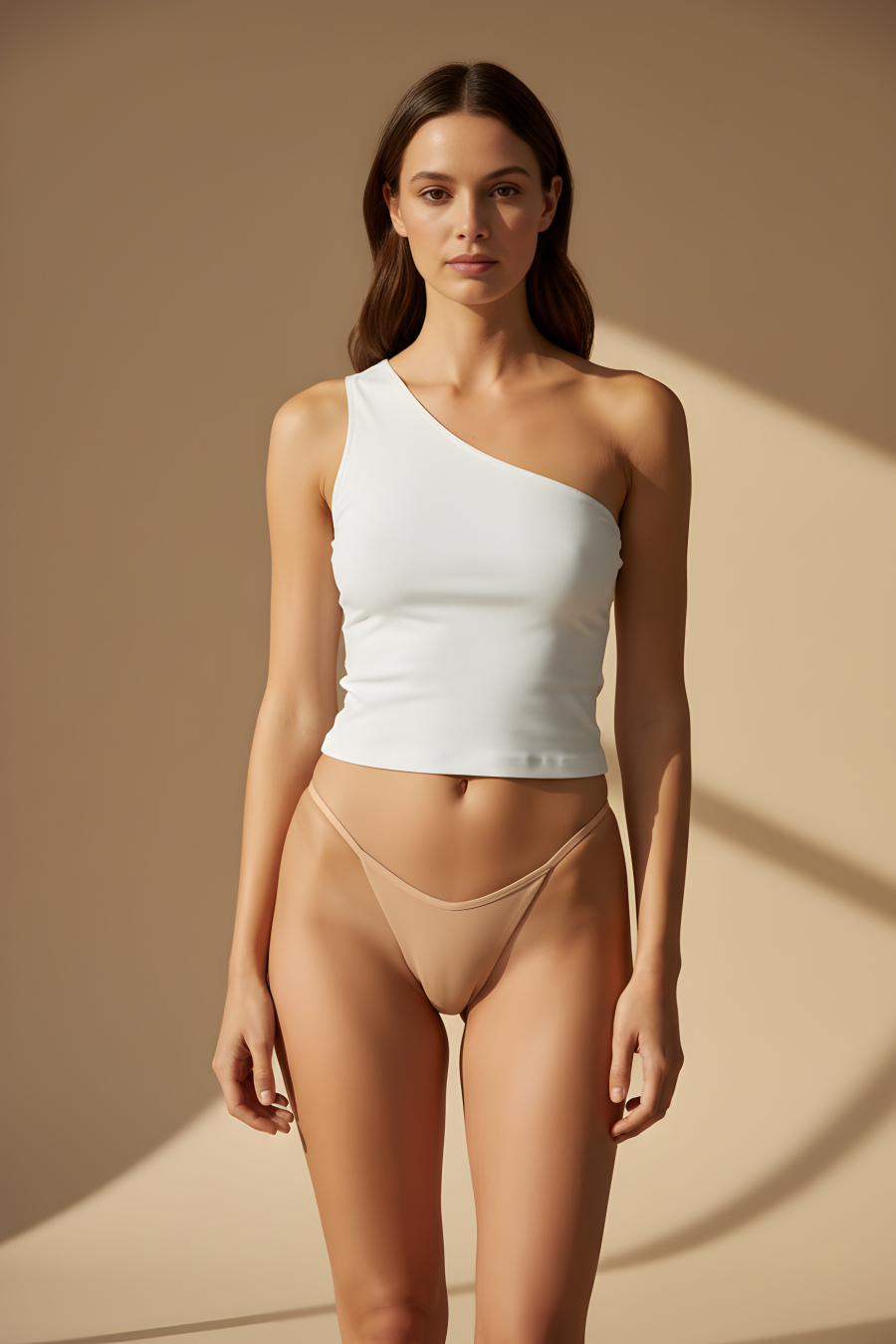
String Nix® Organic Cotton String Thong
Top Sante verdict
Developed to show that natural fibre underwear can still feel modern, elevated, and desirable, the cut, fit, finish and everyday feel of these thongs has clearly been considered by the brand- GOTS certified organic cotton
- Designed for everyday comfort, a smooth fit, and minimal visible lines
- Lightweight, breathable feel
Environmental impact
But while an organic cotton label might seem like a no-brainer, the word ‘organic’ should never be taken too lightly either – and natural does not automatically mean sustainable. According to Carol, every material uses resources.
“Consumers should look for recognised certification and understand exactly what has been certified,” says Carol, who wanted independent standards behind the materials used for her own brand rather than relying on broad sustainability language.
“The more honest conversation is about choosing well, looking for credible evidence, caring for clothing properly, and buying pieces that are comfortable and useful enough to be worn repeatedly,” she says.
“I do not think this should become another source of pressure or perfection. Nobody needs to throw away an existing wardrobe and replace everything overnight,” she adds. “Wearing what we already own, buying more thoughtfully when something genuinely needs replacing, and asking brands clearer questions are all positive steps.”
Should you avoid synthetic fabrics?
Nobody should not be frightened of what is in their wardrobe – but there is a wider concern when it comes to synthetics.
“Synthetic materials can offer stretch, durability, shape retention, and technical performance, and there are circumstances where those qualities are useful,” says Carol. “But the wider concern is that synthetic fibres such as polyester and nylon are generally derived from fossil fuel-based plastics. They can release microscopic fibres during manufacturing, wear, washing, and disposal, adding to the environmental issue of microplastic pollution.”
According to Carol, fibre labels alone do not tell the whole story.
“There are also questions around the dyes, coatings, finishes, and chemical treatments used throughout the textile industry,” she says. “But these are not issues exclusive to synthetic clothing, because natural fibres can also be heavily processed or treated.”
So don’t stop at the label when shopping for your new wardrobe – question what’s being claimed and do your research.
“Women should be given clearer information,” Carol adds. “The important thing is greater transparency, clearer standards, and giving consumers enough information to make informed choices.”
String Nix® is a British women’s underwear brand focused on creating elevated everyday essentials with comfort, fit, and considered materials at the heart of the design. For more information visit www.stringnix.com