
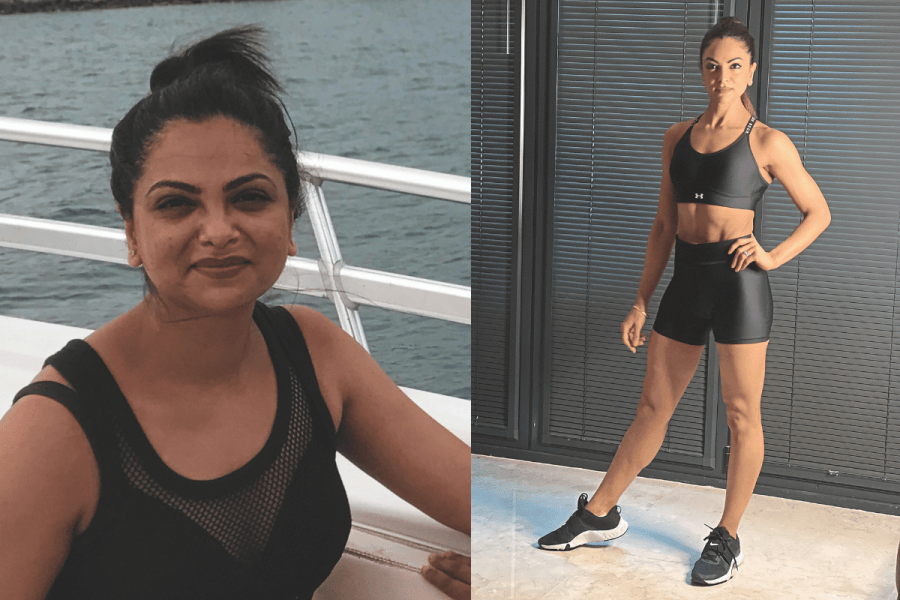
Rajni Singh spent years struggling with PMOS, painful injuries, and health challenges that affected her confidence and mental wellbeing. At 40, she began strength training. This is how her fitness journey transformed her life.
Words & Images: Rajni Singh.
I’ve lived with [Polyendocrine metabolic ovarian syndrome, also known as PMOS — formerly known as PCOS] for as long as I can remember – but I didn’t even have a name for it until my late 30s. Growing up, I never experienced a regular period. Instead, I battled unpredictable cycles, excessive hair growth (hirsutism), mood swings and cystic acne that clung to me well into adulthood.
The acne was painful physically, but the mental toll was much worse – it stripped away my confidence and made me constantly self-conscious. What people don’t talk about enough is how PMOS doesn’t just affect your reproductive health, it impacts everything. For me, it was my mental health first. From my teens, I struggled with anxiety that seemed to live in my body.
As I entered motherhood, that anxiety morphed into bouts of depression, worsened by exhaustion, hormonal fluctuations, and the constant feeling that I was losing myself. In my mid-30s, the health challenges began to stack up. I was diagnosed with osteopenia – early bone loss (most likely associated with PMOS) that I never expected to face so young. That was followed by herniated discs – two in my neck, two in my lower back – piriformis syndrome, and sciatica that made even sitting unbearable.
During COVID, I decided to go for a light jog, only to develop hip bursitis – an inflammation so painful that walking became difficult. The herniated disc in my neck eventually triggered episodes of vertigo. For nearly two years, my mornings began with the world spinning around me the moment I sat up in bed. Some days, I couldn’t drive. I relied on my husband to get me around. I went from consultant to consultant, desperate for answers, but no clear cause was found.
The combination of vertigo, constant upper back pain, and hours spent sitting at a desk only made everything worse. I wore a brace to support my shoulder blades, but even that was a sticking plaster solution. The pain, the limitations, and the fear of never getting better pushed me into a dark place. Depression deepened. My patience with loved ones faded. My energy turned inward, and not in a good way. I became miserable, and that misery started spilling into my relationships.
Choosing a new life
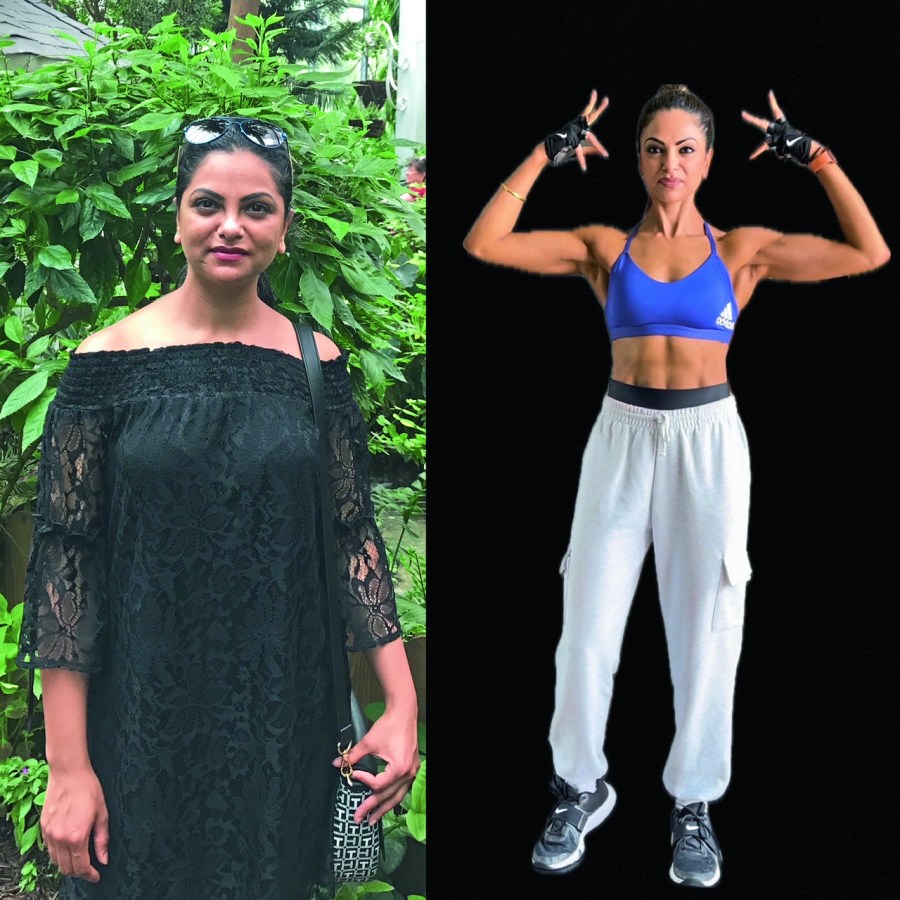
There were even moments when suicidal thoughts crept in. I’d always been an active person, but my 30s felt like a slow decline into a body and mind I no longer recognised. Then, just before I turned 40, something in me shifted. I realised I had two options: to either live the rest of my life in regret, pain and what-ifs; or take control of my health, no matter how long it took. I chose the second option. I signed up for an online 12-week transformation challenge in 2021 during lockdown. It wasn’t about quick fixes or magic plans, it was about showing up, consistently.
I started with home workouts, intimidated but determined, and picked up weights. In the beginning, I could barely lift anything substantial. My body felt fragile. But with each session, I grew stronger – not just physically, but mentally. I quickly realised the high-intensity workouts I used to do were not serving me: they only spiked my cortisol, worsened my inflammation, and left me drained. Weight training was different. It gave me stability. It strengthened my muscles, joints and bones. It eased my back pain. It reconnected me to my body after years of feeling betrayed by it.
Alongside the training, I began to nourish my body with proper nutrition, focusing on lean protein, plenty of colourful vegetables, good fats and wholegrain carbs. I made sleep and recovery a priority. I practised mindfulness to calm my overactive nervous system. The more consistent I became, the more my confidence returned. My anxiety began to ease. Surprisingly, my periods became regular (30-35 day cycles). The brain fog, mood swings and constant stress from perimenopause symptoms felt more manageable, too.
A new way to train
Weight training eventually led me to bodybuilding and now calisthenics. This was a new kind of challenge, requiring intense muscle-mind connection, balance and mobility. It pushed me beyond what I thought I could do, and the results were transformative. My hips loosened, my posture improved, my core became rock solid. The same body that once struggled to walk without pain could now hold a freestanding handstand, which I achieved after more than two years of patient practice.
Today I can do 6-7 strict pull ups, banded muscle ups, different variations of push-ups, dragon squats, weighted Bulgarian squats and so much more. Before starting, I weighed 60kg and was a UK size 10-12. My goal was body recomposition, as my body fat percentage was higher at the start of my journey, and I had little muscle mass. I’ve successfully reduced my body fat percentage and increased my muscle mass, while shedding 5kg in the process. Now, I’m not only living pain-free most days but I’m thriving. I’ve built a strong, capable body that supports me through perimenopause, and a mindset that can weather the hormonal storms.
And I’m not keeping this transformation to myself. I’m now a certified nutritionist and fitness coach, growing an online community to help women, especially those above age 40 and from South Asian backgrounds, to reclaim their health, build strength and step into their confidence. My journey has taught me that it’s never too late to rewrite your story. Even when the weight of chronic illness, hormonal imbalances and years of self-doubt feel impossible to shift, your body and mind are far more resilient than you think.
Rajni’s current workout routine
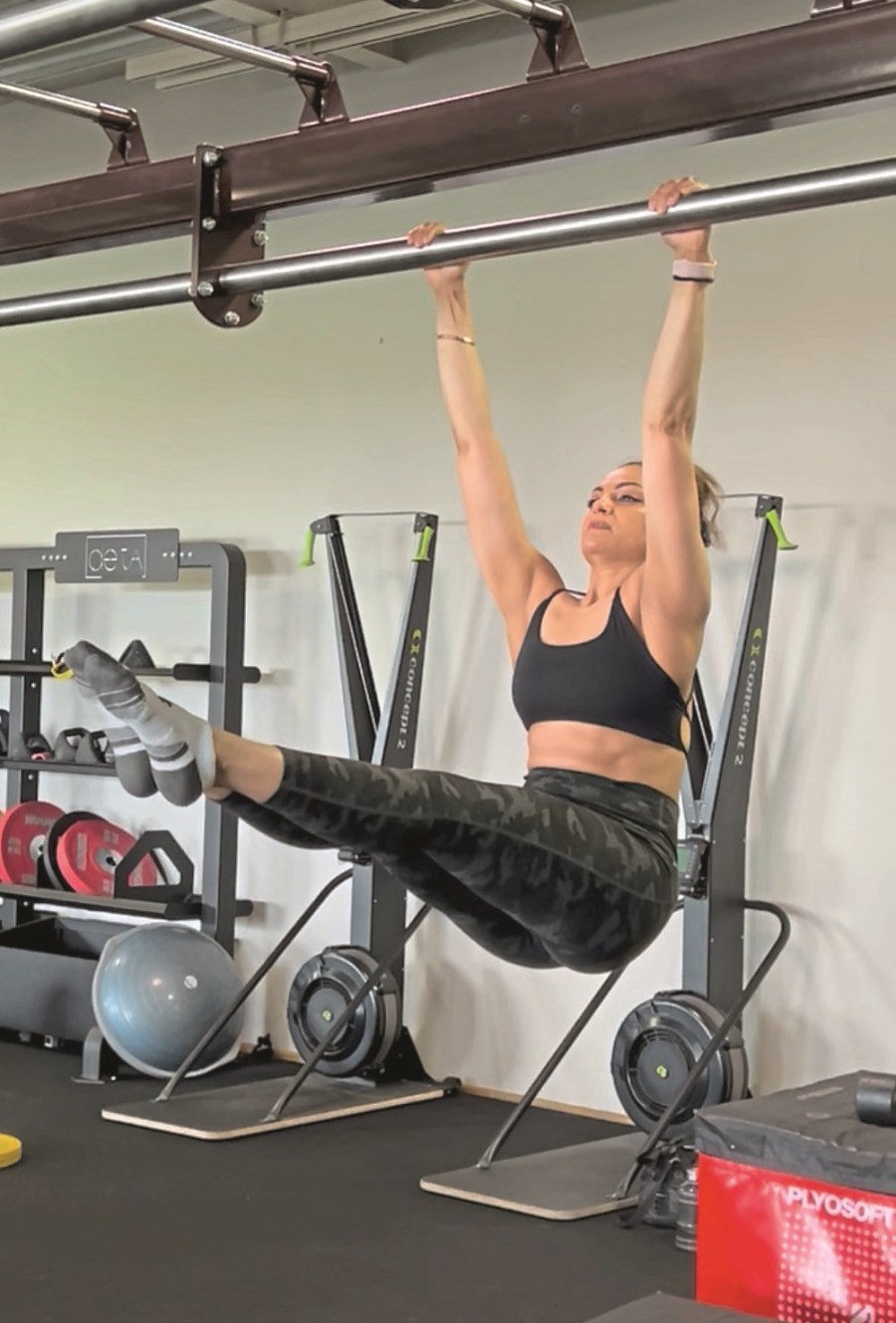
I train five days a week, with a mix of weight training, bodyweight work and mobility. I warm up before every session with dynamic stretches and finish with breathwork or mindfulness to keep my nervous system calm.
Three days a week: Strength training mainly focused on compound lifts (push, pull and leg day) and accessory work for mobility and joint stability.
Two days a week: Calisthenics and bodyweight training and skills, including pull-ups, push-ups, dips, and core work. Daily: 10,000 steps.
Rajni Singh is a nutritionist and online fitness coach empowering women to build strength and confidence through the power of simplified nutrition and exercise, as well as to overcome PMOS, chronic pain, and depression. Find out more at rajnihealthandfitness.com and follow Rajni at instagram.com/rajni_singh.official.