
Sobriety coach Christy Osborne, founder of Love Life Sober, shares why quitting alcohol in January – and perhaps for longer – could be a great way to kick off your health goals for 2026, before giving her 4 top tips on how to quit for good.
Words: Christy Osborne. Images: Shutterstock, Pexels
Embarking on the journey to reduce your alcohol intake or quit altogether is a powerful decision, especially as you step into a new year. Beyond the trendy allure of Dry January lies an essential opportunity to prioritise your health.
Let’s delve into the health perks of mindful drinking for women. Choosing to reduce your alcohol consumption is a deeply personal decision that comes with a treasure trove of health benefits. It’s not about demonising alcohol but instead understanding its impact on your wellbeing. Each alcohol-free day is a gift to your future self. Cheers to your journey towards a healthier, happier you!
1. You have a lower tolerance
Women generally have more body fat and less water than men, which means they feel the effects of alcohol more intensely. Understanding this distinction is vital, especially as you navigate the changes that come with midlife.
2. Your skin will look plumper
Hydration is the key to glowing skin – but alcohol dehydrates as it is a diuretic (it removes fluids from your blood). Cutting back can result in a noticeable improvement in your complexion.
3. There’s a breast cancer link
The link between alcohol and breast cancer is undeniable. Even moderate alcohol consumption can elevate your risk. A single glass of wine a day can increase the risk. While this might seem daunting, knowledge empowers you to make informed choices about your health.

4. Hangovers get worse!
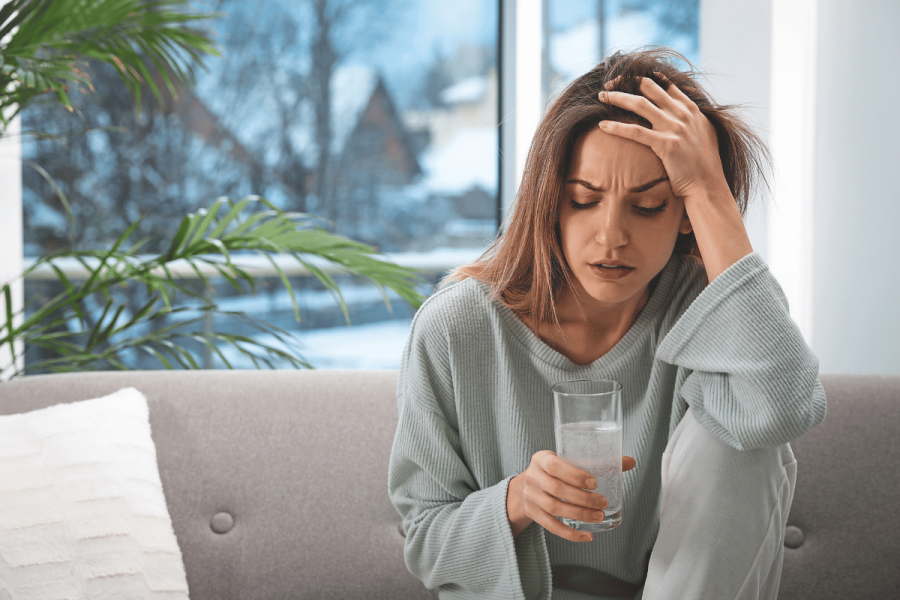
In your 20s, the morning after an evening of wine might not have been so bad. However, as you get older, your liver cannot process alcohol as efficiently. Hormones such as oestrogen further influence how you metabolise alcohol, especially during menopause. What does this mean? Increasingly bad hangovers!
If you’re planning on starting your alcohol-free journey from January, here are some ways to stay hydrated and avoid that dreaded hangover this Christmas.
5. You’ll feel less anxious
Alcohol elevates stress hormones, such as adrenaline and cortisol. So, a break from drinking can lead to a less stressful and anxious daily life.
6. Alcohol disrupts your gut
Alcohol’s journey through your body includes a stop in the liver, which converts it into acetaldehyde, a harmful substance that damages DNA and proteins. Acetaldehyde also disrupts the balance of beneficial gut bacteria. Why does this matter? Well, your gut produces essential neurochemicals, such as serotonin, which influence your mood, appetite and sleep. Maintaining a healthy gut is crucial for emotional wellbeing.
7. You can’t eliminate alcohol quickly
Muscle plays a vital role in how efficiently you process alcohol. Alcohol is more diluted in people with more muscle mass. As you age, you lose muscle mass, which impacts how quickly you eliminate alcohol from your system. Meaning it
8. You’ll have better mental clarity
Drinking can make your brain feel foggy – long after you’ve had the last sip. Reducing your alcohol intake can enhance your mood and sharpen your mental clarity.

9. You’ll have improved sleep
Alcohol might induce drowsiness but it disrupts your REM cycle, making your sleep less restorative. A month without alcohol can lead to better sleep quality.
10. It’s bad for your heart
Bid farewell to the myth that red wine is a heart-healthy elixir. Excessive alcohol consumption can lead to high blood pressure, heart failure and stroke. Protecting your heart becomes even more crucial as you age, making it essential to reassess your alcohol intake.
Christy’s 4 top tips for quitting
1. Why do you drink?
What job are you giving to alcohol? Do you drink for connection, confidence, fun, relaxation or to cope with stress? Asking this question helps you understand why you drink. Now, be open to the possibility that alcohol may not be doing the job you’ve assigned to it.
2. Get Curious
What if living life alcohol-free is better than constantly waiting for wine-o’clock to roll around so you can pop the cork? What if sobriety brings peace, joy and true rest? What if ditching booze could change your entire life? Wouldn’t you like to find out?

3. Ditch the shame
If you’re stuck in the over-drinking cycle, give yourself grace. Beating yourself up for drinking might cause you to indulge even more to move out of shame as quickly as possible. Self-compassion is key.
4. Change your goal
Instead of focusing on drinking less or quitting, concentrate on feeling better. The more alcohol-free time you have under your belt, the better you will begin to feel. You always have a choice on whether or not you want to drink but if it’s making you feel tired, anxious and hungover you need to ask, why do you want to do it?
Christy Osborne is a sobriety coach who empowers women to enjoy life without alcohol and to overcome anxiety. Based in London, Christy offers personal and group coaching sessions. Find out more at lovelifesober.co.uk and at instagram.com/lovelifesoberwithchristy.