

Sasha Watkins, Registered Dietitian and Head of Health at Mindful Chef, shares her top tips for supporting your body’s natural GLP-1 production.
With so much attention on GLP-1 medications, it’s easy to forget that GLP-1 isn’t something that only comes from an injection. It’s actually a hormone your body produces naturally every time you eat.
After meals, GLP-1 (glucagon-like peptide-1) is released from the gut and is involved in regulating appetite, blood sugar, and digestion. It is thought to help you feel fuller for longer, slow the rate at which food leaves the stomach, and support insulin release when it’s needed.
Natural GLP-1 doesn’t stay in the body for as long as medication designed to mimic it. However, some simple lifestyle and dietary habits may help support your body’s own production as part of a generally healthy diet.
Here are seven ways that may help support your natural GLP-1 response:
Prioritise protein at every meal
Protein is one of the dietary components most consistently linked to GLP-1 release in studies. Including a good source at breakfast, lunch, and dinner may help increase feelings of fullness while also supporting muscle health.
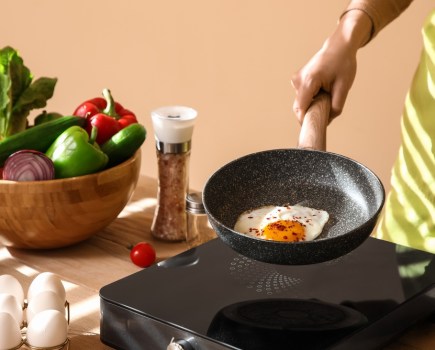
Aim to eat foods such as eggs, Greek yoghurt, tofu, beans, lentils, fish, chicken, or lean meat. Starting the day with a protein-rich breakfast, rather than relying on refined cereals or pastries, can help reduce hunger later in the day and support steadier energy levels.
Eat more fibre – especially from whole plant sources
Fibre does much more than keep our digestion regular. When certain types of fibre reach the large intestine, they’re fermented by beneficial gut bacteria, producing short-chain fatty acids that research suggests can stimulate GLP-1 release.
The easiest way to increase your intake is by eating a wide variety of vegetables, fruit, pulses, nuts, seeds, and wholegrains. Rather than focusing on one ‘superfood’, aim for diversity across the week to nourish your gut microbiome and support long-term health.
A useful target is around 30 g of fibre each day, but increase this gradually and drink plenty of water if you’re not used to eating a high-fibre diet.
Don’t fear healthy fats
Healthy fats may also help promote satiety and support the release of hormones involved in appetite regulation, including GLP-1.
Choose mostly unsaturated fats from foods like extra virgin olive oil, avocados, nuts, seeds, and oily fish. The type may matter: in one study, an olive oil-based meal was associated with more GLP-1 than a meal made with butter, and the oleic acid in olive oil appears to influence GLP-1 release in a way that saturated fats don’t. Adding a handful of nuts to breakfast or drizzling olive oil over vegetables can help make meals more satisfying without needing to overeat.
Build balanced meals – and think about the order
Meals that combine protein, fibre, and healthy fats tend to produce a steadier blood sugar response and can help keep you fuller for longer. The order you eat them in may help too: in research, eating vegetables and protein before the carbohydrate part of a meal has been associated with higher GLP-1 levels and a gentler post-meal blood sugar response, compared with starting on the carbohydrates.
Instead of reaching for foods that are high in refined carbohydrates and low in nutrients, think about creating balanced plates. For example, grilled salmon with roasted vegetables and quinoa, or a bean chilli served with brown rice, provides a combination of nutrients that may support satiety naturally. Begin with the salad, vegetables, and protein, and leave the potatoes, rice, or bread until last.
Look after your gut
Your gut bacteria and GLP-1 production appear to be closely linked. A healthy, diverse microbiome produces compounds thought to help stimulate the gut cells responsible for releasing GLP-1.
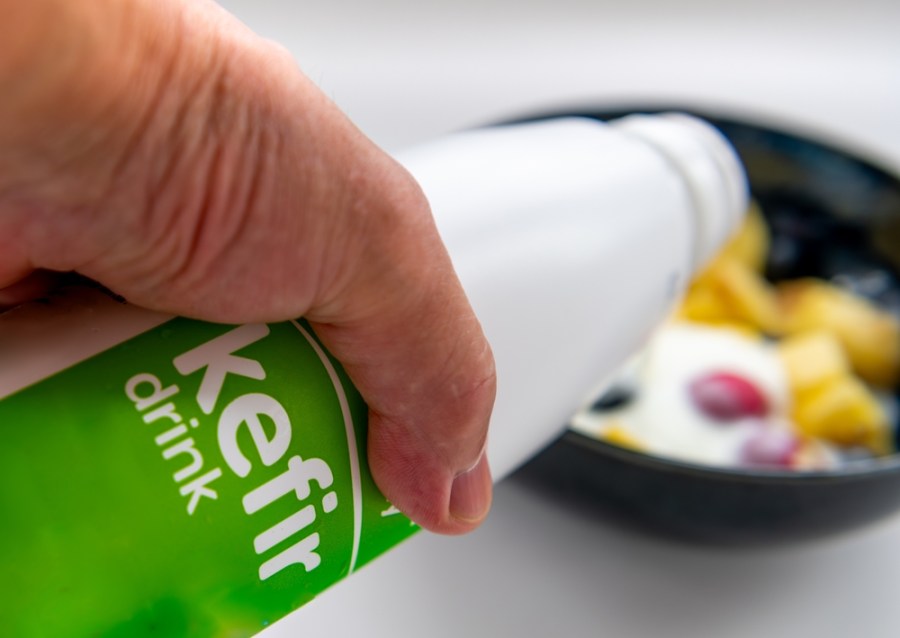
Alongside eating more fibre, fermented foods such as live yoghurt, kefir, kimchi, and sauerkraut may help support microbial diversity as part of an overall balanced diet. Remember, the key to good gut health is consistency over time rather than looking for a quick fix!
Move your body – and lift
Exercise supports overall metabolic health, and research suggests physical activity may raise GLP-1 in both healthy people and those carrying excess weight. In type 2 diabetes, it appears to improve how the body responds to the hormone rather than the amount produced. Aim for around 150 minutes of moderate activity a week, and try to include a couple of strength sessions. Resistance training also helps protect muscle, which matters if you’re losing weight.
Protect your sleep
Your gut hormones follow a daily rhythm, and too little sleep may disrupt it. In one controlled study, GLP-1 levels were lower in the afternoon after a short night’s sleep, an effect seen specifically in women. Regular, sufficient sleep, alongside consistent mealtimes, may help keep your natural appetite signals working as they should.
Slow down and chew your food
How we eat is just as important as what we eat. Eating too quickly can make it harder for your body’s natural hunger and fullness signals to keep up. Slowing down, chewing thoroughly, and eating without distractions gives your digestive system time to release hormones like GLP-1 before you’ve eaten more than you need.
Simple habits, such as putting your cutlery down between mouthfuls or taking around 20 minutes to finish a meal, can make a noticeable difference.
The bigger picture
These habits won’t replicate the effects of GLP-1 medications, but they do work with your body’s natural biology. The goal shouldn’t be to ‘hack’ one hormone, but to create an eating pattern and lifestyle that supports appetite regulation, metabolic health, and overall wellbeing.
There’s no single food or supplement that dramatically boosts GLP-1. Instead, it’s the combination of eating enough protein and fibre, choosing minimally processed foods, moving regularly, looking after your gut health, and eating mindfully that tends to deliver the greatest benefits over time.
Always speak to your GP or a registered dietitian before making significant dietary changes, particularly if you have a health condition or take medication.