
Creatine offers a wide range of benefits for your mind, body and longevity – and yet, many women are still shying away from this tried-and-tested supplement due to its body-building image. We caught up with the experts to debunk the myths and help you make an informed decision.
Words: Joanna Ebsworth. Images: Shutterstock.
Think creatine is only for male bodybuilders? Think again. While decades of sports science studies show us it can significantly increase an athlete’s speed, muscle mass, strength and power, it’s the compelling evidence confirming creatine’s body, brain and wellbeing benefits for women, both inside and outside of the gym, that’s helping interest in this super supplement reach an all-time high.
However, while Google search data for “Creatine for women” reveals an increase of more than 75 per cent over the past three years – and industry reports confirm a 320 per cent growth in purchases of creatine amongst women in the first quarter of 2025 compared to the same period in 2024 – various studies show there is still a significant gender gap in creatine usage between men and women. So, why are so many women still hesitating?
And what is creatine anyway? ‘Creatine is a natural substance produced in the body, primarily stored in the muscles, and which is used to regenerate ATP, your body’s primary energy source, during high-intensity exercise,’ says Daniel Margis, MSc in nutritional medicine and product developer at sports nutrition brand ESN (uk.esn.com).
‘Creatine allows you to reproduce energy more rapidly, resulting in a range of benefits in turn, from improved power and endurance to enhanced recovery and increased muscle growth over time,’ says Daniel. ‘Especially beneficial for strength training and sports such as netball, tennis or hockey, which rely on high intensity bursts of effort, creatine also supports cellular hydration by allowing muscle cells to draw in water, which can aid in muscle repair and muscle tone.’
And while it used to be marketed to bodybuilders and hardcore gym-goers, it’s now reaching the masses. ‘We’re now seeing runners, yogis and weekend warriors turning to creatine for its benefits on performance, recovery and cognitive enhancement,’ says Kieran Fisher, founder of Warrior Sports Supplements (teamwarrior.com).
‘Emerging studies highlight the benefits for brain health, muscle preservation, longevity and overall vitality, making it a smart choice for active adults who want to age well, as well as everyday fitness enthusiasts looking to get more from their workouts,’ he adds.
How much to take
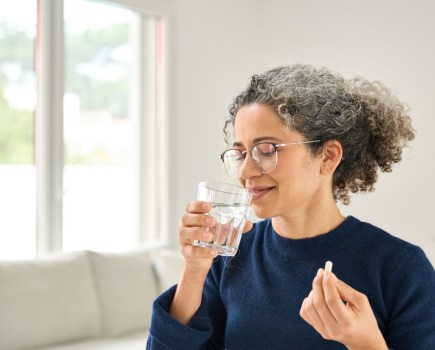
Although your body already produces small amounts of creatine in your liver, pancreas and kidneys – and you can also get more of it by eating meat and fish – it can be difficult to obtain the recommended daily amount through food alone.
‘Herring and beef are among the richest sources, providing roughly 0.9g-1.1g per 100g of raw product,’ says Natalie Rouse, head of nutrition at women’s nutrition and wellness brand, Free Soul (freesoul.com). ‘But to reach the levels shown in scientific studies to support performance, recovery and cognitive function, you’d need to consume around 3-5g of creatine daily.
That translates to eating 300-500g of meat or fish every day, which is unrealistic for most people. ‘Meat-eaters typically get about 1g-2g of creatine per day from their diet, while vegetarians and vegans consume virtually none, as creatine is almost absent from plant-based foods,’ adds Natalie. However, both groups fall short of the recommended intake for functional benefits.
Research, including findings in 2023 published in Nutrients, shows that individuals on plant-based diets often have lower baseline creatine stores, which means they may experience even greater gains from supplementation, both physically and cognitively.
‘As a nutritionist, I always advocate for a wholefood-first approach,’ adds Natalie. ‘But when it comes to creatine, it’s nearly impossible to reach the optimal 3-5g daily, for both men and women, through diet. That’s where supplementation becomes not just practical, but powerful’.

Faster results
And while women require the same daily intake of creatine monohydrate as men, women often benefit more in relative terms.
‘Women tend to start with lower baseline creatine stores due to a combination of factors including hormonal differences that affect creatine synthesis, lower intake of creatine-rich foods, and generally smaller muscle mass, which limits storage capacity,’ says Natalie, adding that women naturally synthesise slightly less creatine, so getting onboard with supplementation helps to ‘level the playing field’.
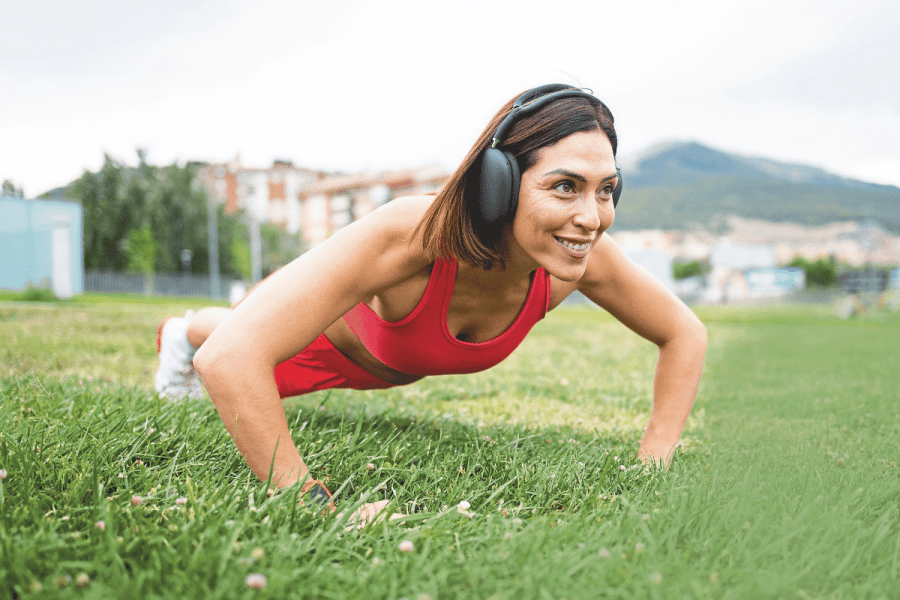
As a result, many women experience more noticeable improvements in strength, energy and recovery when supplementing. Activity levels also play a key role. ‘Women who engage in high-intensity or strength-based training such as HIIT, CrossFit, HYROX or sprint work deplete their creatine stores more rapidly than others and therefore stand to gain even more from supplementation.’
‘But it’s not just for athletes,’ she notes. ‘Women involved in endurance sports, recreational fitness or everyday movement have also shown benefits, particularly in muscle recovery, cognitive performance and fatigue resistance.’
Help in perimenopause
There are also huge benefits to taking creatine in midlife. ‘Menopausal and post-menopausal women are likely to benefit most from creatine due to a decline in creatine synthesis and increased risk of muscle and bone loss,’ says Dr Jenna Macciochi, director of science and innovation at supplement brand Ancient + Brave (ancientandbrave.earth).
‘Creatine is especially valuable if you’re training regularly or trying to maintain muscle, which is important for women who tend to have less muscle mass to begin with and lose it quickly after menopause. That’s why supplementing during menopause can support muscle mass maintenance, bone mineral density (when combined with resistance training) and cognitive function, even helping to address symptoms like fatigue and brain fog,’ she explains, highlighting the whole-body benefits of taking creatine.
Other evidence suggests women are more susceptible to lower brain creatine levels during periods of hormonal fluctuation, which explains why the menstrual cycle also plays a role. ‘Oestrogen and progesterone affect how creatine is made, stored and used in the body,’ explains Dr Macciochi. ‘During the follicular phase (when oestrogen rises), creatine uptake and utilisation improve. But in the luteal phase, falling oestrogen and higher progesterone can reduce energy availability.’
This, she notes, is when studies show consistent creatine intake increases brain creatine content, supports mitochondrial activity and up-regulates key regulators of learning and memory, which may help to potentially enhance neuroprotection and resilience against cognitive fatigue as well as boost energy and improve mood and mental capacity.
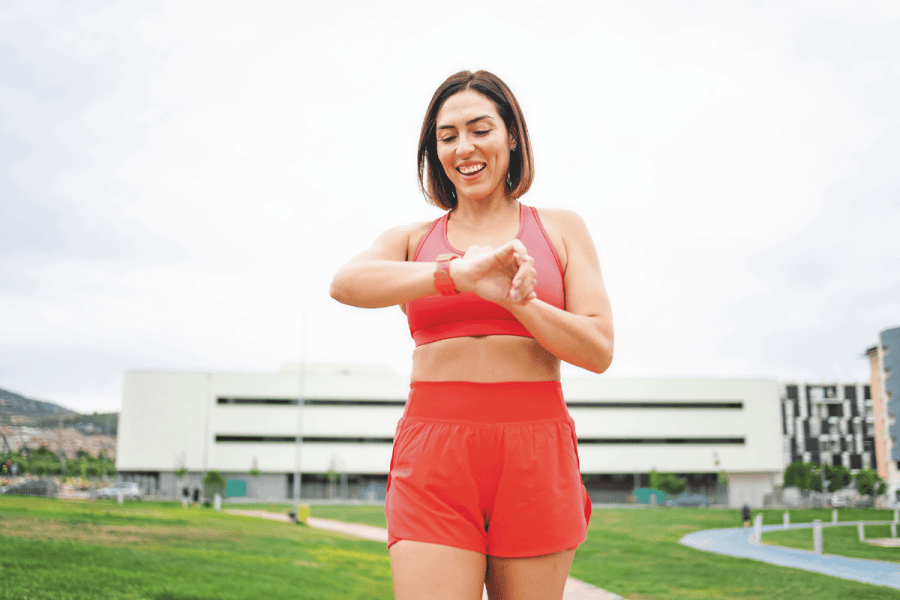
Feeling stronger
Despite its wide-ranging benefits, creatine is still surrounded by myths that make many women hesitant to try it, and one of the most common concerns is the fear of bloating, weight gain or becoming bulky.
‘Historically, creatine has been linked to weightlifting and power sports, but female athletes have used it safely and effectively for decades,’ says Natalie.
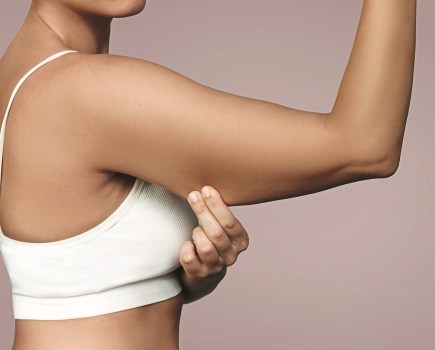
‘In reality, creatine draws water into muscle cells, not under the skin, and this type of cellular hydration enhances muscle performance, nutrient delivery and waste removal, making muscles look fuller rather than causing puffiness or bloating,’ she explains.
‘Most women actually feel stronger and more toned when they take creatine regularly,’ adds Natalie, ‘and this is because a hydrated muscle is a functioning muscle; nutrients flow in, toxins are flushed out and energy systems are better maintained.’
Concerns about kidney health surface from time to time, reports Natalie, but these are unfounded in healthy individuals taking standard doses of 3-5g per day.
‘Of course, women with pre-existing kidney conditions should consult a medical professional before starting any supplement. But decades of research confirm that creatine is safe and effective for women of all ages. Whether you’re in perimenopause, navigating energy shifts or juggling a demanding schedule, creatine can be a powerful ally.’
Get your fix
Give these 7 creatine supplements a go…
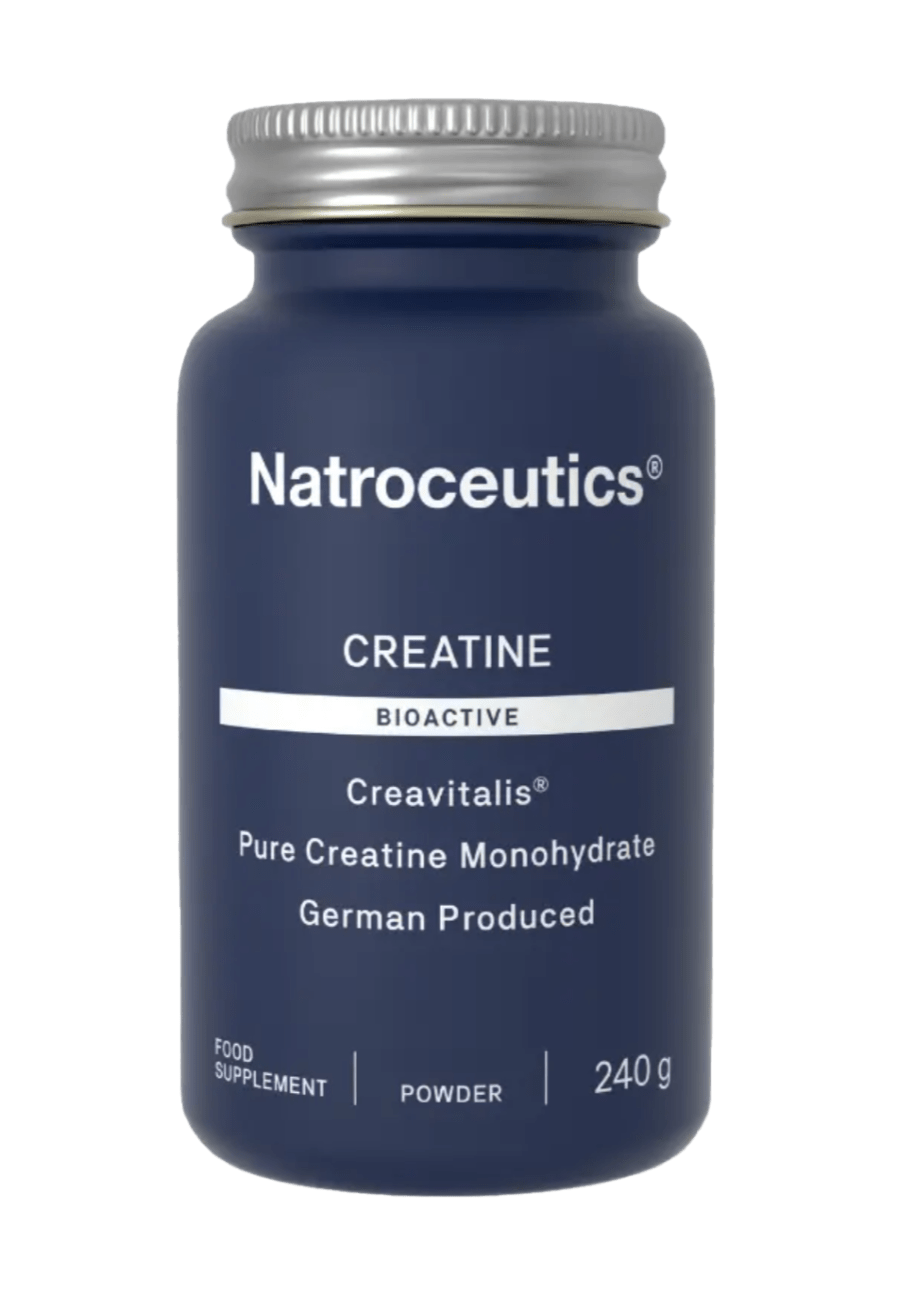
Natroceutics Creatine Bioactive (£28.50 for 48 servings, natroceutics.com)
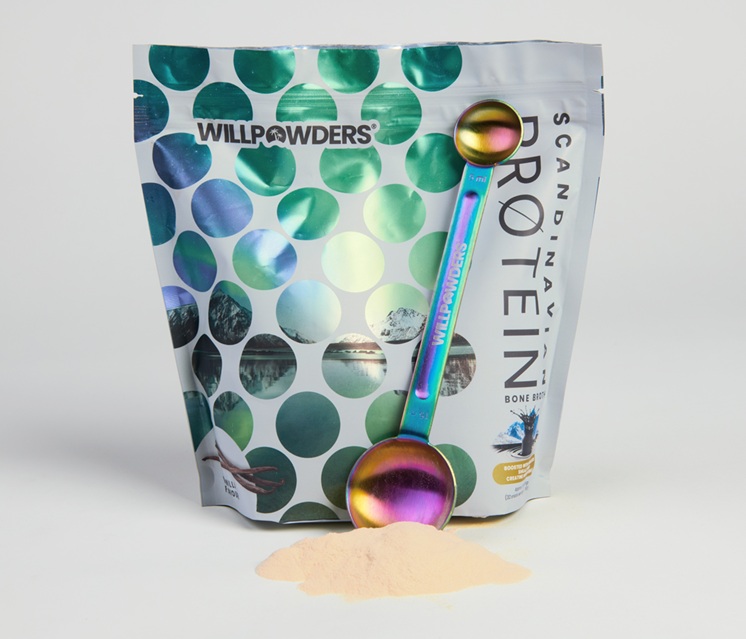
Willpowders Protein Powder with Shilajit and Monocreatine (£42 for 20 servings, willpowders.com)
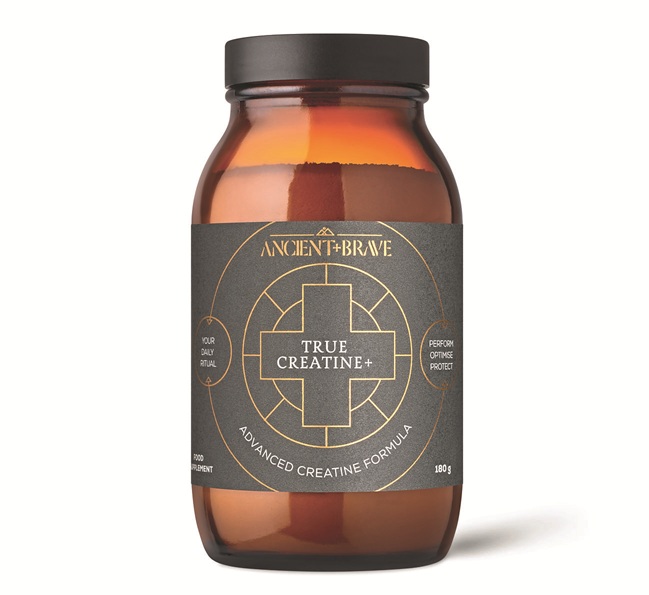
Ancient + Brave True Creatine+ (£28 for 30 servings, ancientandbrave.earth)
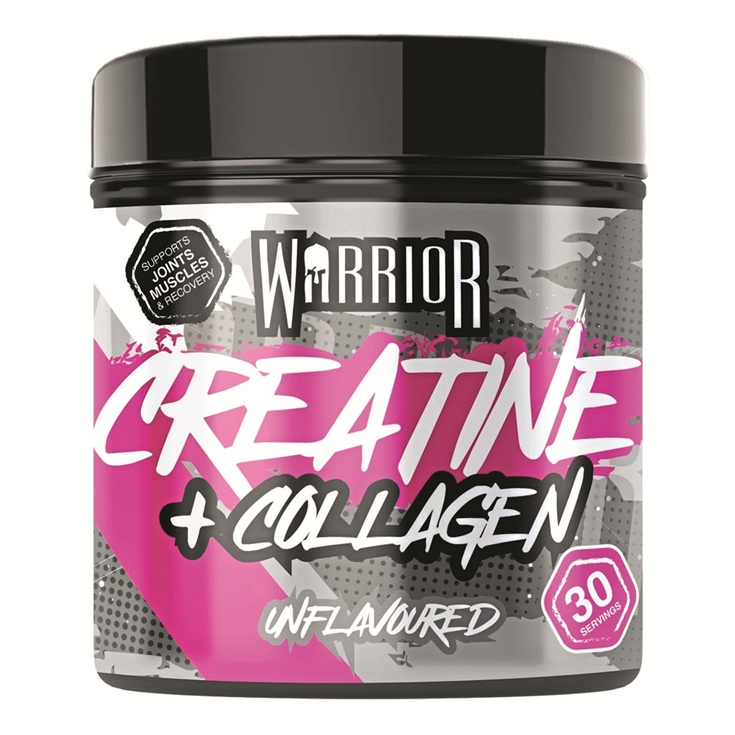
Warrior Creatine + Collagen (£14.95 for 80 servings, teamwarrior.com)
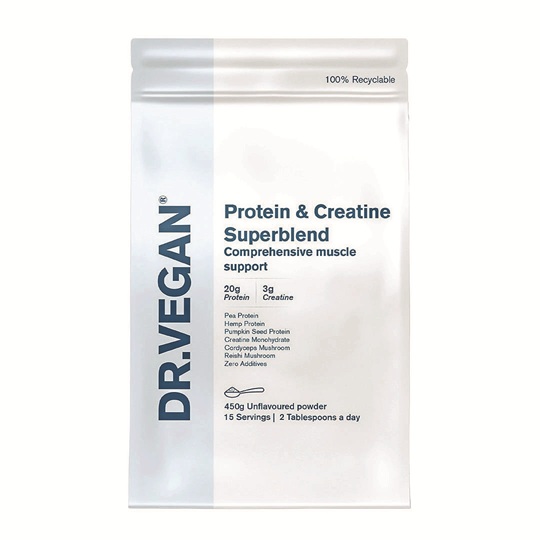
Dr. Vegan Protein & Creatine Superblend (£26.99 for 15 servings, drvegan.com)
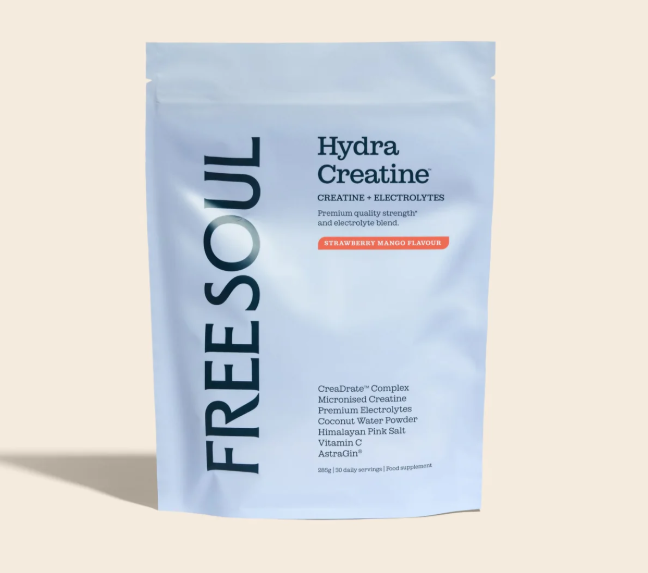
Free Soul Hydra Creatine (£24.99 for 30 servings, freesoul.com)
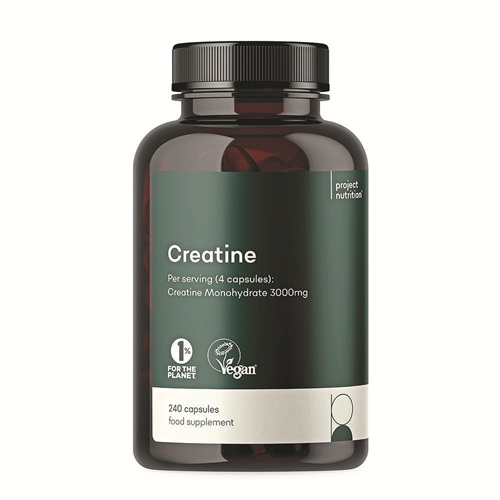
Project Nutrition Creatine (£30 for 60 servings, project-nutrition.co.uk)