

PMS symptoms don’t have to be something you just have to deal with. We look at why magnesium could be the secret ingredient to reducing symptoms around your period.
Words: Amy Mica Marsden. Images: Shutterstock.
Let’s face it: nobody thinks PMS is fun, and most of us will have symptoms we’d rather not be experiencing – especially not 12 times a year or so.
I’m sure you’ve heard old wives’ tales and holistic tips on what can relieve pesky PMS symptoms. But did you know that magnesium may actually help during that time of the month?
We asked Megan Hallett, cookbook author and nutritionist specializing in women’s health, about magnesium’s role in the body during the menstrual cycle and how we can harness the power of this multifunctional mineral.
Magnesium and the menstrual cycle
Magnesium supplements are often lauded for their sleep-supporting properties (magnesium glycinate) or for aiding concentration (magnesium L-threonate). In fact, magnesium is naturally produced by the body and is involved in over three hundred chemical processes, including muscle relaxation, nerve function, energy production, and more.
But what about PMS? ‘Across the menstrual cycle, it plays a part in regulating the hormones and neurotransmitters at play during the luteal phase (second half of the cycle), and it helps uterine muscle relax, which is relevant to cramping,’ Megan explains.
‘There are trials that show magnesium supplementation can reduce the severity of period pain (also known as dysmenorrhoea) and ease some PMS symptoms.
‘It may be best to take consistently across the cycle rather than just during the days you’re symptomatic.’
It can also help with mood-related symptoms such as irritability, low mood, and anxiety, says Megan. On top of that, magnesium seems to help with bloating, breast tenderness, and ‘headaches or migraines linked to the hormone fluctuations across the cycle.’
It’s recommended to combine magnesium with Vitamin B6 for maximum benefits, but it’s always best to check with your doctor first.
How can we make the most of magnesium for PMS?
A magnesium deficiency is often linked to more severe period pain and more intense PMS symptoms, says Megan, who tells us that stress, alcohol, caffeine, and a diet low in whole foods can all deplete our supplies of the mineral.
So how can we make sure we’re getting enough magnesium to help reduce PMS symptoms?
Megan recommends eating more of the following whole foods for a boost:
- Dark leafy greens (spinach, chard)
- Pumpkin seeds
- Almonds
- Cashews
- Black beans and other legumes
- Dark chocolate (70%+)
- Whole grains like oats and quinoa
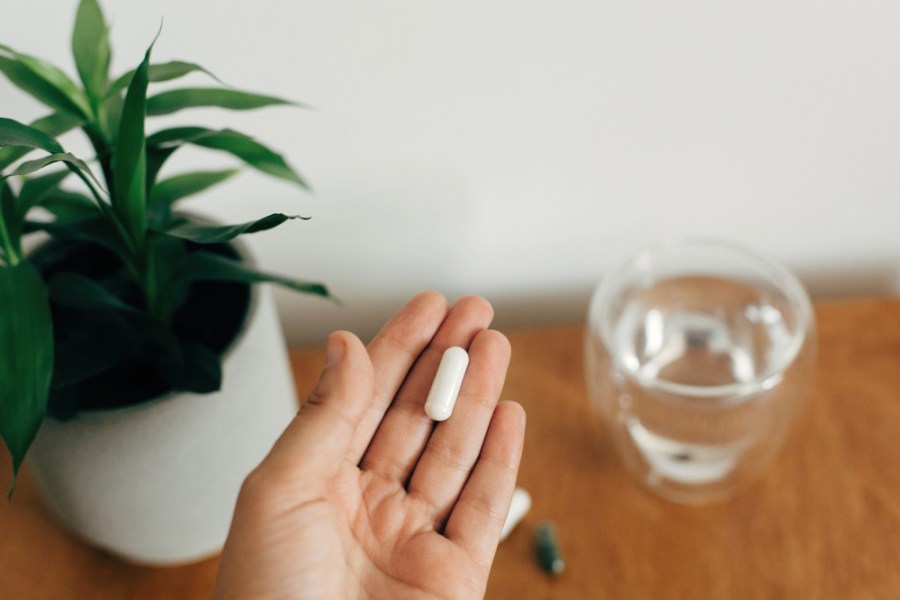
As for supplements, Megan says magnesium glycinate is well absorbed and gentle on the gut, and could be a great everyday way to raise magnesium levels (as well as its purported benefits on sleep).
‘Magnesium citrate is also well absorbed but can have a laxative effect at higher doses, which some people use to their advantage if they’re prone to constipation,’ she adds. ‘Magnesium oxide is cheap but poorly absorbed, so it’s not the best choice if the goal is actually raising magnesium levels.’
Other ways to relieve period pain and PMS
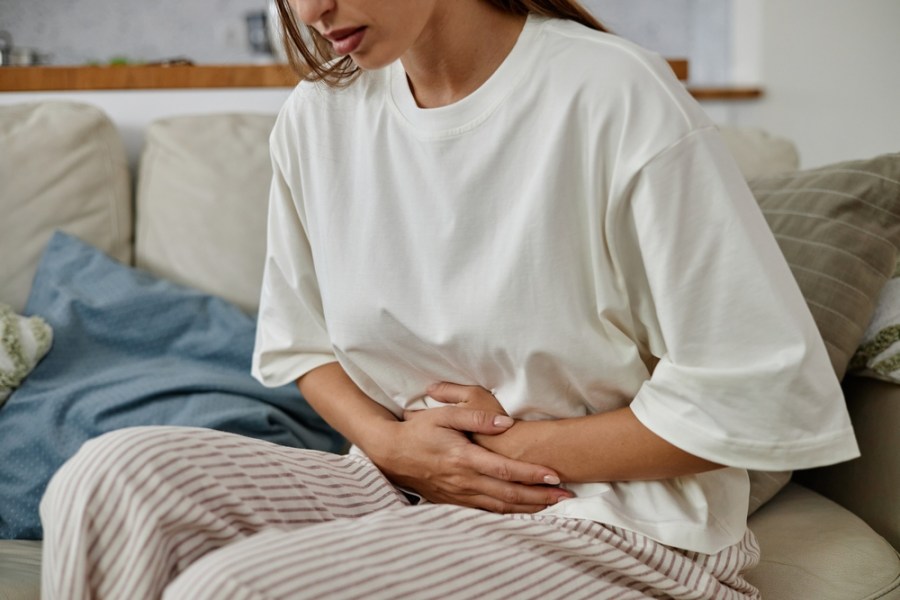
If you’re suffering from period cramps and other PMS symptoms, magnesium isn’t the only thing that can help. Megan recommends trying the following lifestyle changes to see if any of them help:
- Regular movement helps with both mood and cramping
- Reducing caffeine and alcohol in the luteal phase makes a noticeable difference for a lot of women
- Keeping blood sugar steady, so regular meals witdh protein and fibre rather than long gaps followed by sugary snacks, helps flatten out the mood swings and energy dips.
- Heat (a hot water bottle or bath) is effective for cramping
- Prioritizing sleep in the days before a period can help to soften emotional symptoms.
However, if you’re experiencing pain severe enough to disrupt your daily life – i.e., you struggle to get out of bed or do normal activities such as going to work or school, it might be a good idea to visit your doctor and get checked out, as these symptoms could be an indication of something more serious.
If your periods are causing you debilitating pain, last longer than 7 days, or are heavy enough to soak through one or more pads or tampons every hour for several hours, Megan says that’s ‘worth investigating properly rather than managing with magnesium alone, as it could point to something like endometriosis.’