

HRT can be an effective option for menopause symptoms, but it isn’t the only one. Dr Ellie Cannon explores other treatments and complementary approaches, from prescription medicines to aromatherapy.
Words: Katy Sunnassee. Images: Shutterstock, various brands
TV GP Dr Ellie Cannon is emphatic that HRT is not the only solution to dealing with menopause symptoms and that there is a wide range of choices open to women experiencing them.
‘Some people hold the view that you should take HRT even if you have no symptoms, believing it helps you to look and feel younger,’ she explains. ‘I think this idea has been falsely sold to women, as if HRT is an anti-ageing magic elixir. It isn’t – and there is no research to back this up. NICE guidelines and independent research suggest HRT should only be considered if symptoms significantly impact quality of life, in cases of early menopause, or as part of osteoporosis prevention.’
She adds that women with mild symptoms and those without are unlikely to benefit significantly from HRT – and stresses that in some cases the potential risks may outweigh the benefits.
‘This doesn’t mean the alternative is doing nothing – far from it,’ she says, adding: ‘Many women manage their menopausal symptoms with different choices, some of which can be used alongside HRT, including exercise or vaginal moisturisers, while others are absolute alternatives. And this reflects what I see regularly in clinic: women thriving by making lifestyle choices that help them feel in control.’
Beyond HRT
Today, the alternatives to HRT range from other prescribed medicines such as SSRIs (e.g., citalopram) or SNRIs (e.g., venlafaxine, which was originally designed for depression or anxiety but is now proven to reduce menopausal hot flushes and mood swings – to entirely non pharmaceutical, natural solutions that can complement HRT, such as the vast choice of herbal supplements and essential oils.
In fact, essential oils have been used by humans for thousands of years and long been a part of the self-care toolkit for menopausal women, with many finding they offer meaningful symptom relief and emotional support.
For instance, lavender and clary sage essential oils may help to relieve anxiety, improve sleep, and ease mild mood symptoms associated with menopause, while peppermint oil can offer relief from menopause symptoms, especially when applied topically in diluted form. There are plenty of essential oil and aromatherapy brands to choose from, but not all are created equal.
‘When choosing essential oils, my advice is to always go for products that have a quality assurance and use 100 per cent plant-based ingredients. Consult a certified aromatherapist or pharmacist, especially if you have allergies, are on medications, or sensitive to strong scents,’ says Dr Cannon.
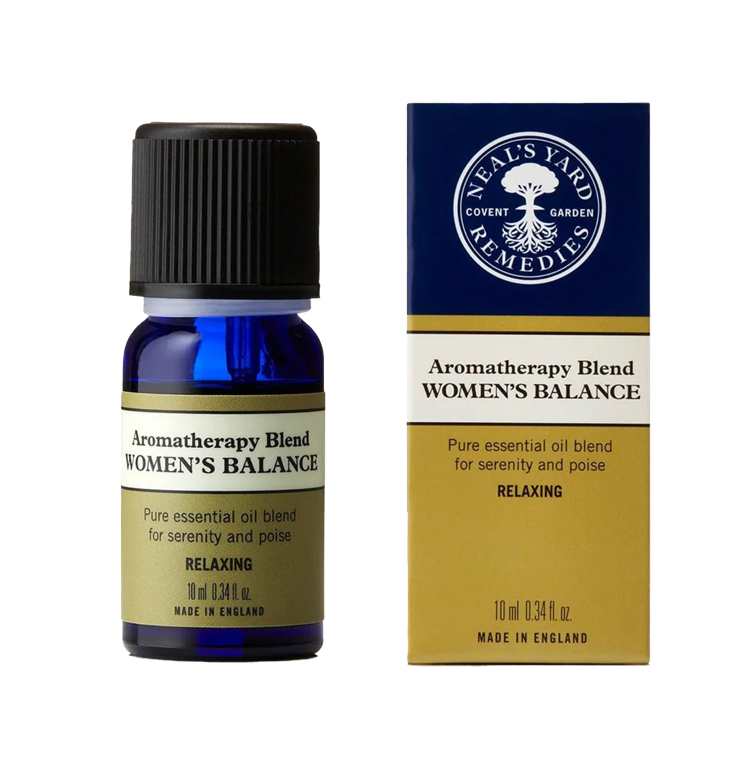
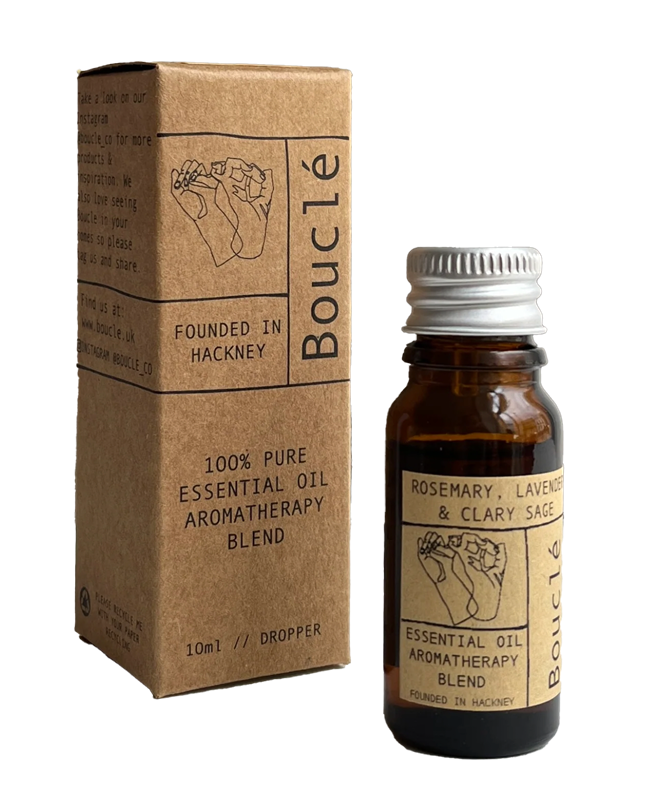
A great place to start is with trusted brands. Neal’s Yard offers a range of Women’s Balance blends (from £12, nealsyardremedies.com), while UK artisan brand Bouclé has a wonderful Rosemary, Lavender & Clary Sage Aromatherapy Oil (£14.50, boucle.co.uk).
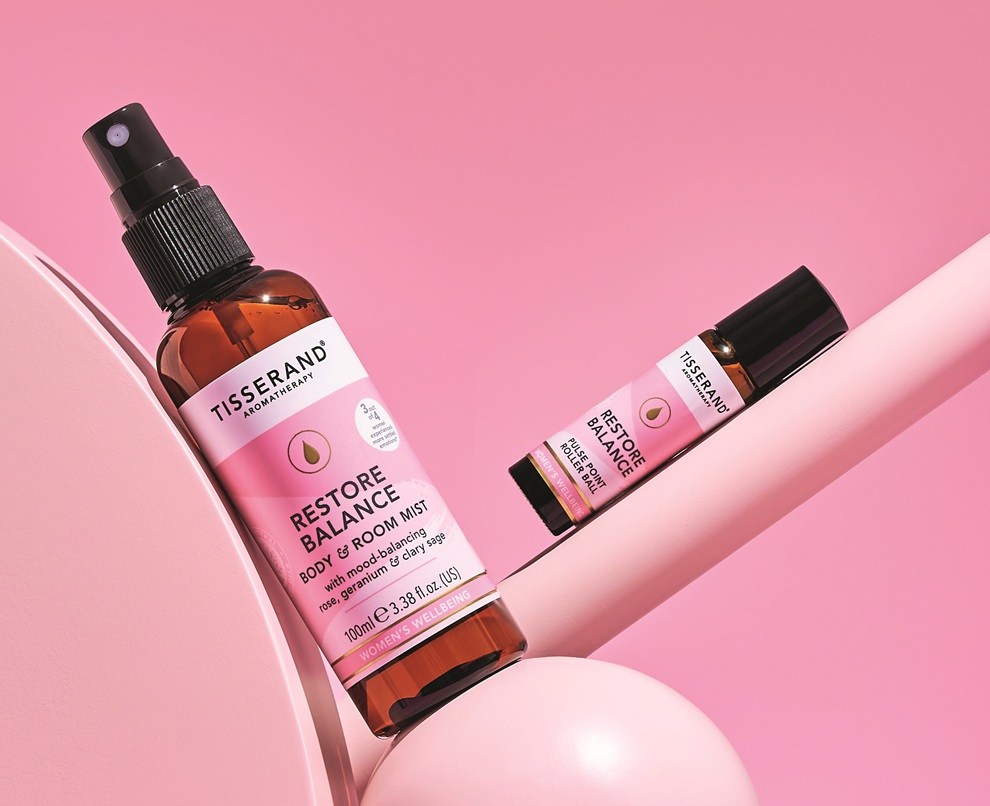
The award-winning Tisserand Restore Balance Wellbeing Kit (£18, tisserand.com) is blended by essential oils expert Jo Kellet specifically for Tisserand to offer women hormonal support. It includes Rose, which helps ease emotional overwhelm and brings a sense of calm and connection during times of hormonal change. Geranium brings emotional balance, helping to smooth mood swings and promote a sense of wellbeing, and clary sage, which plays a supportive role in easing stress and promoting clarity and calm through hormonal transitions.
‘Menopause is a deeply personal journey, and no two women will experience it in the same way,’ says Jo. ‘It marks a major life transition, often accompanied by a wide range of emotional and physical changes. Aromatherapy and essential oils offer gentle, holistic support during this time. Their diverse therapeutic properties make them uniquely suited to address the multi-faceted nature of menopause, allowing you to tailor your approach to your individual symptoms and needs,’ she explains.
‘We are driven consciously and unconsciously by rhythms and cycles, day and night, seasons changing, growth and decline; internally we have our cycles of digestion, respiration and circulation. All these aspects undulate and flow depending on our current environment and our health and wellbeing. Aromatherapy and essential oils can play a very supportive role in all of those,’ says Jo.
Dr Ellie Cannon’s The Little Book of HRT (£9.99, Bloomsbury) offers women the pros and cons of all treatments from HRT and beyond.
Jo Kellet is an essential oils expert working in partnership with Tisserand. The full range of oils and blends is available online from tisserand.com and Holland & Barrett.