
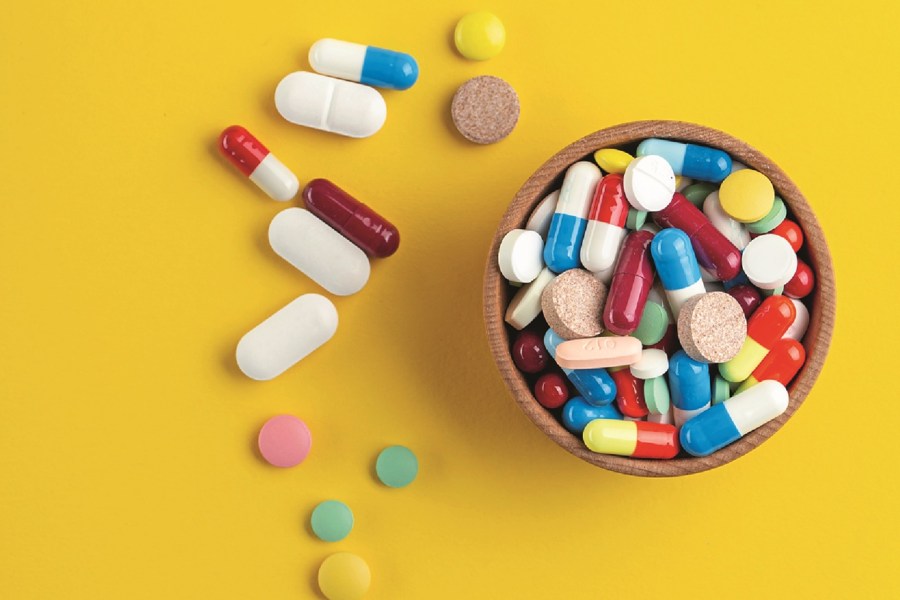
Taking medication can be essential for your health, but it’s worth understanding the potential nutritional implications. Dr Siobhan Brennan explores the possible effects of three common medication types and shares practical lifestyle advice.
Words: Dr Siobhan Brennan for Viridian Medication & Nutrition Report 2025. Images: Shutterstock.
Being overweight has a strong correlation to long-term health conditions and around two thirds of the population is overweight or obese. Although current lifestyle trends emphasise the importance of eating healthily, foods high in fat, sugar and ultra processed ingredients are still major components of the Western diet. Since the industrial revolution, when food production started to change, there has been a clear correlation with a steady rise in obesity. Many people who are overweight and obese are also malnourished.
This surprising and unusual phenomenon is unique to the Western world and is ironically caused by a diet high in empty calories – plentiful refined sugars and fats, but very little vitamins and minerals. A reduced dietary intake of micronutrients is further exacerbated by a reduction of nutrients in vegetables.
Since the 1940s, with the advent of industrialised, large-scale farming, the mineral content of vegetables has decreased by as much as 50 per cent. Iron is the nutrient most affected, and it is perhaps not surprising to see it is the most recorded nutrient deficiency.
A growing number of medications are available to support weight loss. Whilst these have shown to provide effective results and can be helpful in some instances, it is also essential to implement a change of diet and lifestyle. Taking weight loss medication is not a way to continue eating excess empty calories. If a typical Western diet containing ultra processed foods is maintained, there will be insufficient micronutrients (vitamins and minerals) in the body.
Additionally, weight loss medication may limit the absorption of certain vitamins, specifically vitamins A, D, E and K, further reducing the nutrients available for the body. Eating wholefoods and taking a multivitamin – one without any ultra processed fillers and additives – alongside weight-loss medication is often recommended, although it is important to check first with your health practitioner.
More than 15 million people in the UK live with a long-term health condition and whilst other genetic, physiological and toxin-related impacts can contribute to long-term health conditions, diet and lifestyle play a major role.
The good news is that everyone can take control and make positive changes to impact individual quality of life, families, communities and healthcare. By choosing healthy options we have the power to free up health services and make a difference to ourselves, and our loved ones.
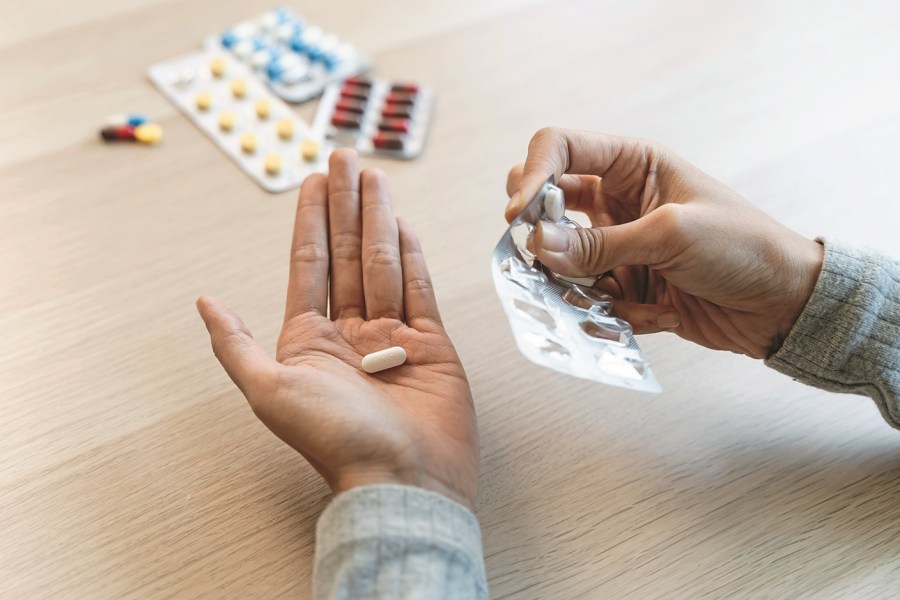
Antibiotics
Antibiotics help to get rid of bad bacteria, but they also kill many of the friendly bacteria that are present in our digestive tract. This can lead to an imbalance in the gut microbiome, potentially causing digestive upset and diarrhoea. These friendly bacteria are also necessary for vital activities including immune support, production of B vitamins and vitamin K, and digestion of food.
Probiotics are live microorganisms that can provide support after a course of antibiotic treatment, helping to repopulate the gut with beneficial bacteria and restore the balance. In fact, it is often recommended to pair antibiotic and probiotic treatment together and continue to take the probiotics for several weeks or months after a course of antibiotics. Sacchromyces boulardii is a type of friendly yeast that is not affected by antibiotics and therefore can be taken at the same time as a course of treatment.
If you are taking antibiotics long term, look into the individual nutrients that may be depleted by the specific antibiotic, as this can differ. A high-dose multi-strain probiotic supplement may provide support for intensive re-colonisation due to intestinal microbiome depletion and may also prevent antibiotic-associated diarrhoea. However, minimising antibiotic use is advised. There are international concerns about the over-prescribing of antibacterial medicines, as this leads to increased resistance to these medicines. Studies have shown how resistant bacteria thrive after antibiotic use, allowing them to multiply in the gut, causing further issues.

Pain relief medication
Non steroidal anti-inflammatory drugs (NSAIDs) are a type of pain relief medication that includes aspirin, ibuprofen, naproxen, diclofenac and celecoxib. These are medicines that are widely used to relieve pain, reduce inflammation and bring down a high temperature. NSAIDs are often used to alleviate symptoms of rheumatoid arthritis and can also be of benefit in conditions such as back pain and soft-tissue disorders.
Longer term use of these can lead to nutrient depletion including:
Folic Acid – NSAIDs can reduce the amount of folic acid being transported to the tissues that need it.
Vitamin C – There can be a reduced vitamin C uptake by tissues because of the use of NSAIDs.
Iron – Increased excretion of iron, leading to iron loss, potential iron deficiency and anaemia are all caused by NSAIDs.
Lifestyle advice
Whether you are taking one or multiple medications, these tips will help support a healthy and enjoyable lifestyle…
1. Eat a colourful and varied diet
Aiming for 30 different types of plant ingredients per week is a great way to build a diet rich in different nutrients. Avoiding ultra processed foods and opting for wholefoods instead will help give your body beneficial levels of micronutrients, supporting your brain, heart, energy and more.
2. Consider a multivitamin
Although not a substitute for a healthy and varied diet, opting for a clean formulation multivitamin (without fillers, binders and other additives) will provide a good foundation level of core vitamins and minerals. Check with your GP on whether this is right for you.
3. Have regular prescription reviews
The NHS recommends regular medication reviews, at least once per year, and states they are particularly important if taking multiple medications. This will help identify and address side effects and other impacts, as well as highlight medicines that are no longer clinically indicated or appropriate or optimised.
Dr Siobhan Brennan qualified from the National University of Ireland as a doctor and has been a GP for almost 20 years. Her speciality interests are menopause and mental health as well as nutrition and lifestyle medicine. She is a keen ultrarunner and is often seen with her children in the mountains. Dr Brennan is an ambassador for vitamin company Viridian (viridian-nutrition.com).