

These lifestyle tweaks could improve your menopause experience, whether you’re peri, pre- or post, says nutritionist and psychologist Dr Naomi Newman-Beinart
Words: Dr Naomi Newman-Beinart | Images: Shutterstock
Prioritise your wellbeing
Women tend to find that they juggle a lot, whether that’s family logistics, work life or a busy social life; it can be a lot to manage at the best of times. If you’re not running on all cylinders, then you may notice that some of the most basic, everyday tasks feel more challenging. Brain fog can cause confusion, anxiety and stress, hot flushes play havoc with your day-to-day life, and disrupted sleep means you’re often left feeling exhausted. Make your menopause a number one priority and take your health into your own hands. There are plenty of tools out there that will help you deal with this time in your life and, thankfully, long gone are the days where women are forced to suffer in silence.
Break any bad health habits
This means caffeine, nicotine and alcohol, which won’t be good for you at this time of life. Firstly, all three are stimulants, and whilst these are the most-commonly consumed ‘drugs’ worldwide, we should not underestimate the health implications, particularly during and in the run up to menopause. Drinking alcohol regularly can increase the severity of symptoms such as hot flushes, night sweats, low mood and insomnia. Caffeine is reasonably safe in low doses, and tea and coffee have been shown to have some health benefits. However, I suggest limiting your caffeine intake to no more than a few cups of tea or coffee a day, and definitely don’t consume it after 4pm if sleep is an issue for you.
Also, there is never a good time in your life for smoking, but, as we age, the health risks associated with nicotine get worse. If you suspect you’re perimenopausal, now is a great time to quit. Women who smoke can actually go into menopause a full year earlier than those that don’t, and smoking can also intensify the symptoms of menopause, including hot flushes and difficulty sleeping.
Protect your bones
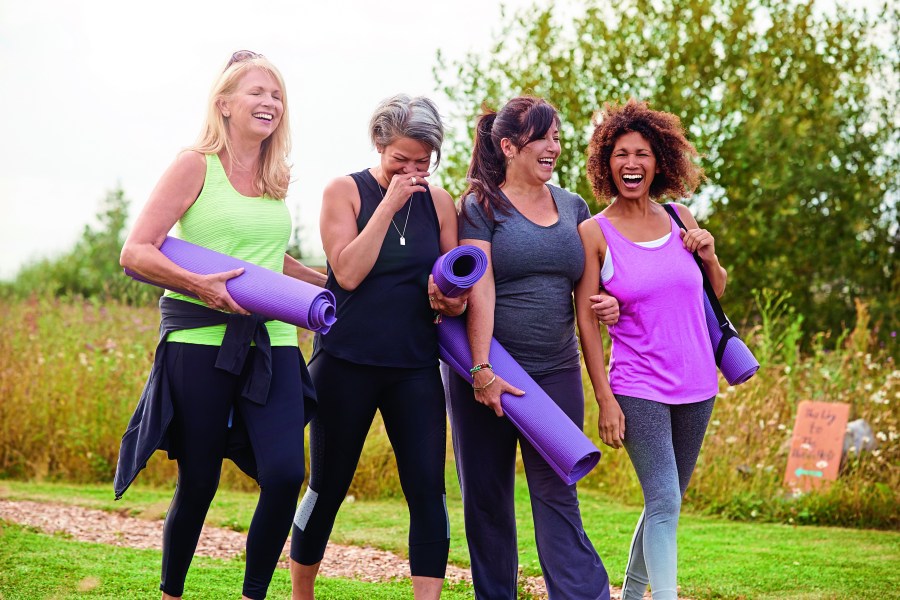
Menopause significantly speeds up bone loss and increases the risk of osteoporosis. Research indicates that up to 20 per cent of this loss can occur during perimenopause and menopause, and around one-in-10 women worldwide above the age of 60 are affected by osteoporosis. Weight training, jogging, playing tennis and dancing are all good weight-bearing exercises. In addition, balance exercises may help you avoid falls, decreasing your chance of breaking a bone.
It’s also important to eat foods rich in calcium to build and keep strong bones. Vitamin D is essential for long-term bone and joint health. Without adequate amounts, your body is unable to absorb calcium, which is essential for strong bones.
Link Nutrition Vitamin D Complex (£11.95, linknutrition.com) contains 1,000IU vitamin D3, and is food-based, making it easier to absorb. If you dislike tablets, try BetterYou Vitamin D3000 + K2 Spray (£10.95, betteryou.com).
Make sure you’re exercising
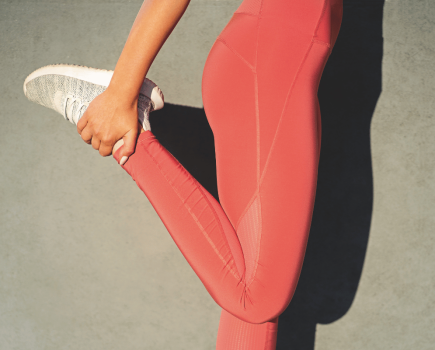
If you weren’t a regular at the gym during your 20s and 30s, or didn’t do much activity at all, now’s the time to start adding it to your day. You don’t have to run a marathon or throw yourself into a high-intensity Spin class to reap the benefits. However, I do suggest introducing regular cardiovascular and weight-bearing exercise into your weekly routine as this will have a positive impact on your physical and mental health during menopause.
Your metabolism naturally slows during this time, and many women report weight gain. Even gentle cardio can help with bloating and digestion, as well as burning calories and boosting your mood. Weight-bearing exercise will also help support bone and joint health during this crucial transition period. Aim to be active every day, whether that’s going for a walk or doing a gentle stretching session, and do cardio and weight-bearing exercises two-to-three times a week, with rest days in-between.
Swap blue light for pink noise!
With disrupted sleep reported as one of the most common and debilitating menopause symptoms, setting yourself up for a good night’s kip is imperative. You will have probably read the common advice about not having screens and devices in the bedroom, and that’s because of the blue light they emit, which can negatively impact the production of melatonin.
However, there is some tech that can be beneficial when it comes to sleep. Pink noise devices use calming, lower frequencies, which are less intense than, say, “white” noise. Pink noise relaxes and calms your mind, preparing it for all-important deep sleep, called “slow-wave sleep”.
Pink noise resembles the sounds found in nature – like rainfall, the sea, a babbling brook or the wind – and is often considered more soothing than other “coloured noise”. In a small 2012 study published in the Journal of Theoretical Biology, researchers found that steady pink noise reduced brain waves, which increased stable sleep. A 2017 study in Frontiers in Human Neuroscience also found a positive link between pink noise and deep sleep.
You can find pink noise in the Glow Dreaming sleep device (from £64.95, glowdreaming.co.uk), which was invented to help babies and children sleep, but now also comes in a plain design for adults. It not only produces pink noise but also a soothing red LED light and emits mists of soothing essential oils.
Ditch processed foods
Most processed foods are high in refined sugar (therefore lacking nutrition) and salt, and this can cause bloating and weight gain. Now’s the time to go back to basics by embracing foods in their simple form. Lean meats, fresh fruit and vegetables and pulses are easily digested by your body, and the Mediterranean diet is a great template for this style of eating. There are many free recipes online that adopt this style of eating which tend to follow the pattern of protein, complex carbs with lots of leafy green vegetables, fruits and pulses.

Find peace and calm
During the menopause, brain fog kicks in and you might find yourself overwhelmed with thoughts and emotions you’re not used to having. Introducing just 10-15 minutes of mindfulness meditation or slow, deep breathing can have a positive impact on your mood, clarity and concentration levels. There are plenty of free YouTube tutorials and some great apps, such as Calm, Mindspace and Insight Timer. The best time to practise mindfulness is when you have few distractions around you. Many people find it most beneficial first thing in the morning or just before bed. A relaxing evening routine will help create the right environment for mentally winding down. Having a mindful moment in the bath is another good idea, as a bath – not too hot – an hour or so before bed helps you wind down and causes your body temperature to then fall, which helps you sleep. Adding some magnesium flakes makes it even better, as the mineral absorbs through your skin and helps you relax even further.
I like BetterYou Magnesium Sleep Mineral Bath Flakes (from £3.95, betteryou.com), which contain a blend of Zechstein magnesium – a highly pure and natural form of magnesium named after the Zechstein Sea in which it was formed. They’re also scented with essential oils of lavender and chamomile to help slow sensory activity and quieten your mind.
Use herbs to reduce brain fog
Some women report that they feel their brains are like cotton wool in menopause, with hormones causing extreme fatigue. Taking the right herbs and minerals can help banish or reduce brain fog and help you feel more energised. Pukka Herbs Menopause Serenity Capsules (£16.95, pukkaherbs.com) contain iodine from Arctic seaweed to support your thyroid, mental clarity and energy production.
Don’t be afraid to talk
As you enter most new stages of life, it’s common to experience a little anxiety. Think about the stress and angst that came with turning into a teenager! And if you’ve ever been pregnant, you’ll probably remember being overwhelmed by the changes in your body and then how exhausting and unsettling it all was when your baby was born. Going through the menopause can also be a little scary as it’s unknown. But instead of fighting it, try embracing this next life stage and use the wisdom you’ve gained over the years.
Also, learn about what’s happening to your body. Armed with the right information and knowledge will not only help reduce anxiety, but it can help you make well-informed decisions about managing your symptoms. If you’re really struggling, speak to a professional or use an online therapy service such as BetterHelp (betterhelp.com), which will match you with a therapist who’s right for you.