
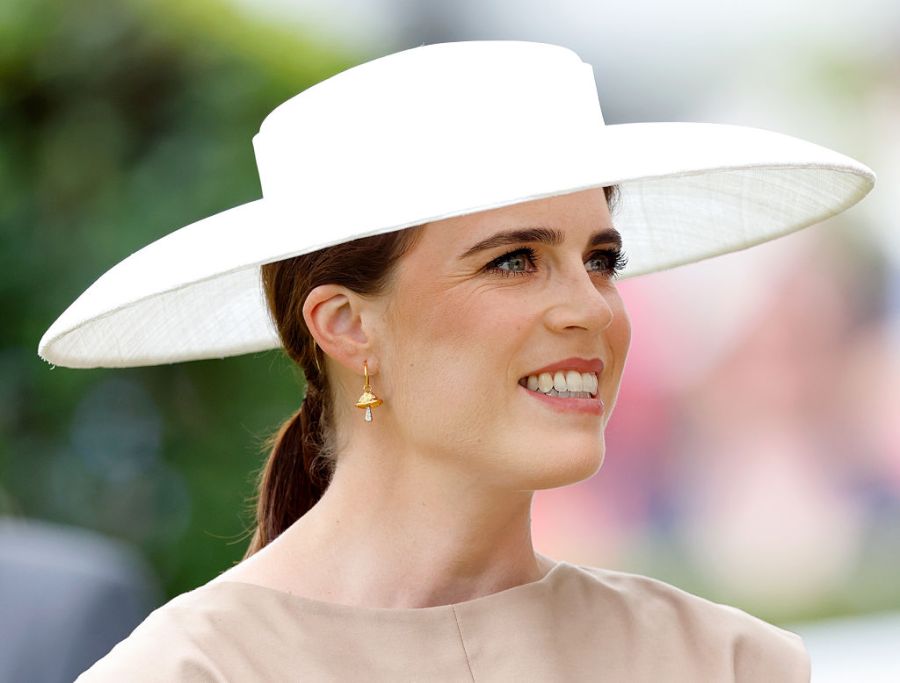
In light of Princess Eugenie and Jack Brooksbank welcoming a baby girl earlier this week, we take a look at some of the most memorable royal births that have broken tradition
Words: Amy Dowrick | Images: Shutterstock
It’s a girl! Earlier this week, the Princess announced on Instagram, “Jack and I are so excited to announce Baby Girl Brooksbank!! We are beyond in love with our girlie,” with the royal family official account confirming the news shortly after.
Weighing 6 pounds 9 ounces, baby Brooksbank joins big brothers August, five, and Ernest, three – who divide their time as a family between Portugal and London due to Jack’s work.
Eugenie has always shared how much she enjoys being a mother, saying back in 2024, “Becoming a parent is the most special, mind-blowing experience of a person’s life.”
“My children make my world go around. It’s positively impacted my desire to do more. I want to educate my children and all young people about being vulnerable, sensitive, and empathetic towards each other.”
“Priorities change when you have children; you want to do everything you can for them – and for your grandchildren. I hope that what I’m doing will seep through,” she said to Hello back in 2023.
And while this royal birth is an especially memorable one, being the first in recent memory to be outside of the UK, we wanted to take a look at six other memorable royal births that have broken tradition throughout the years.
Princess Anne
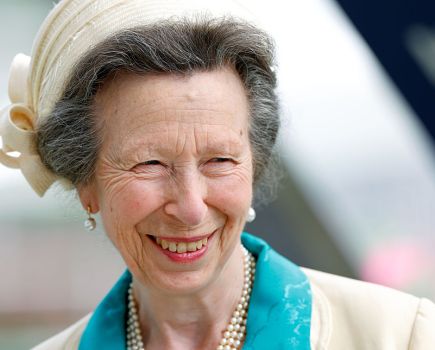
After a 120-year-old tradition saw royal births exclusively take place at Buckingham Palace, the late Queen’s only daughter started the trend towards St Mary’s Paddington when she chose the hospital to have her children, Peter and Zara Phillips.
Princess Diana
Princess Diana soon followed suit, giving birth to Prince William in the Lindo Wing of St. Mary’s Hospital on June 21, 1982.
Reportedly standing during the birth, she later told her biographer, Andrew Morton, “William had to be induced because I couldn’t handle the press pressure any longer, it was becoming unbearable. It was as if everybody was monitoring every day for me.”
The birth sparked a massive national and international media celebration, with crowds flocking to St Mary’s and Buckingham Palace, popping champagne and cheering.
King Charles
Home secretaries were required to be present to witness and verify the births of royal children right up until King Charles was born at Buckingham Palace in 1948, when it was announced that the practice would be discontinued.
Princess Elizabeth was just 22 at the time, and she was reportedly in labour for 30 hours before giving birth by Caesarean section – but her husband, Prince Philip, was not present. Instead, he was playing squash with his private secretary in another part of the royal residence! It’s reported that when he got word of the birth, Philip ran up to the delivery room and, once the princess woke up from her anaesthetic, gave her a bouquet of red roses and carnations.
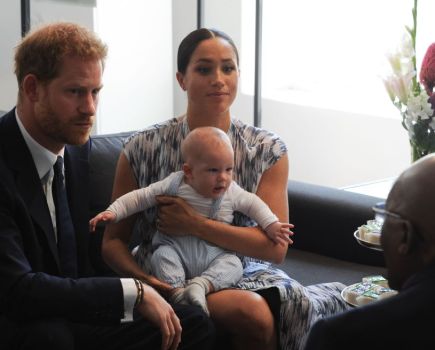
King Charles has been reunited with his grandchildren Archie and Lilibet for the first time in four years
Princess Charlotte
Recently celebrating her 11th birthday, Princess Charlotte was the first royal princess not to be displaced in the direct line of succession by a younger brother.
The palace also broke tradition by announcing the news of her birth in a tweet, saying, “Her Royal Highness, The Duchess of Cambridge was safely delivered of a daughter at 8.34 a.m. Her Royal Highness and her child are both doing well.”
Prince Edward
With the tradition of home secretaries attending royal births being broken at the birth of King Charles in 1948, it was Prince Edward’s birth in 1964 that saw a much more modern tradition take its place.
“The Duke of Edinburgh was actually holding his wife’s hand as their youngest was born,” Ingrid Seward writes in My Husband and I: The Inside Story Of 70 Years Of Royal Marriage. “The Queen, by then aged 37, had asked him to be there; she’d been keenly reading women’s magazines that stressed the importance of involving fathers in childbirth and had become fascinated by the idea. Philip became the first royal father in modern history to witness the arrival of one of his children.” Perhaps this makes up for missing the birth of his eldest?
The Queen Mother
Memorable because of its mystery, the late Queen mother’s place of birth in 1900 remains uncertain. It’s one of the few remaining royal mysteries of the 20th century, and even her authorised biographer, William Shawcross, seemed unsure in his book published in 2009. Was it London or was it St Paul’s Walden Bury, her family’s country home in Hertfordshire?