
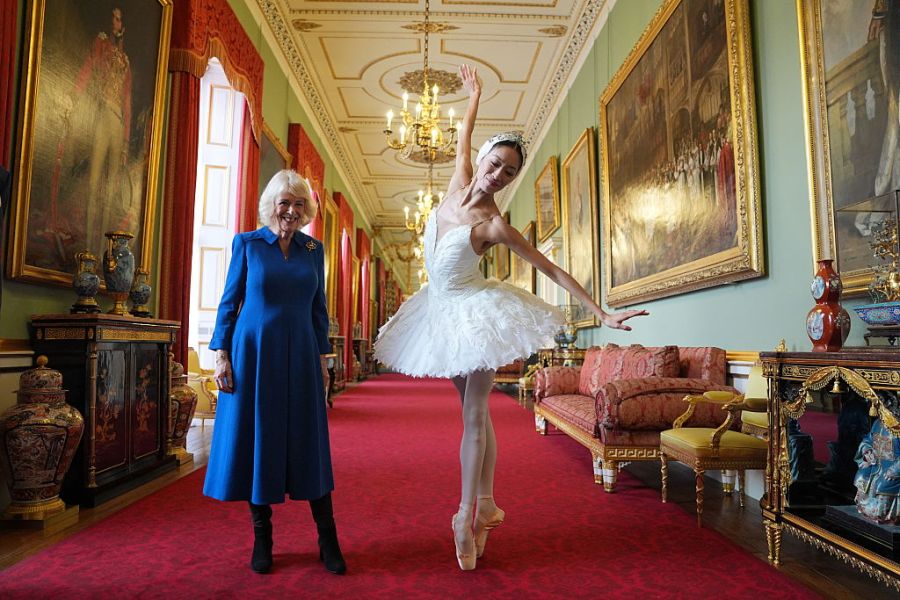
Queen Camilla discovered her love of ballet at 70 – and her favourite elegant workout could be brilliant for women over 50. Three experts explain how ballet can improve strength, balance, posture, flexibility and mental wellbeing, plus three simple moves to try at home.
Pics: Getty images
When it comes to keeping active, 79-year-old Queen Camilla has a rather elegant fitness secret: ballet. From improving strength and posture to boosting confidence and wellbeing, three experts explain why ballet for women over 50 is a great idea.
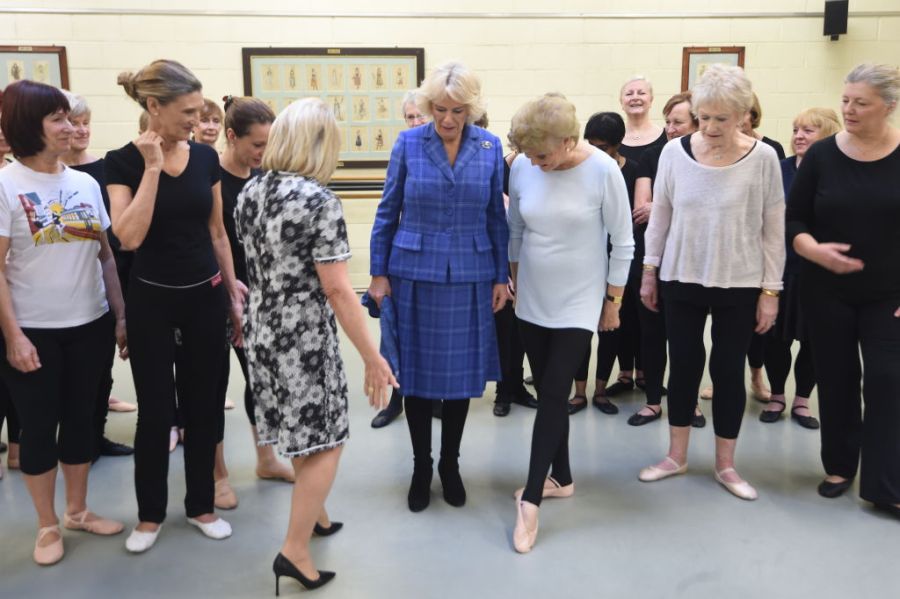
According to royal insiders, Camilla participates in a private ballet class at Clarence House when her diary permits. Since discovering her love of ballet at the age of 70, she has spoken about her passion for the art form, including taking part in Silver Swans ballet classes designed for older adults. In October 2023, Camilla described herself in a post on The Royal Family instagram as being “a devoted, if slightly creaky Silver Swan myself.”
We asked physical therapist Lindsey Morgan, former professional ballet dancer Annie Landry and dance teacher Nanci Grasso, to explain why taking a leaf out of Queen Camilla’s book could be a lovely way to move more, feel better and discover a new passion.
Why are women over 50 embracing ballet?
While ballet might traditionally be associated with young dancers in tutus, it’s increasingly appealing to women who want to improve their fitness, flexibility and wellbeing as they get older.
This is because it offers much more than learning elegant movements. It brings together music, movement, mental stimulation and the opportunity to connect with others.
“Ballet can be a wonderful activity for older adults looking to maintain both their physical and mental health,” says Lindsey. “It offers numerous benefits, including improved balance, strength, flexibility, posture and coordination.”
There’s also the social aspect that is appealing. Adult classes can be a great way to make friends, enjoy a shared interest and feel part of a community.
Annie says she has seen how much happiness ballet can bring to her students.
“I’ve read that the Queen feels ballet improves her confidence and brings her happiness,” she says. “These are just two of the emotions that I feel when I dance, and some of the many that I have seen in my students.”
And for women who spend much of their time juggling work, family and other responsibilities, ballet can offer something particularly valuable: time for themselves.
“Some returning and new adult students are so excited to be able to make time for themselves to get back into the studio,” says Annie. “It’s a time for them to work on something that is just for them, and for the joy of dancing.”
Can ballet help women over 50 build muscle?
Absolutely. While ballet might look graceful and effortless, don’t underestimate how much strength it requires.
From holding positions at the barre to moving through controlled knee bends and balancing on the balls of your feet, ballet works several muscle groups at once.
“Ballet can help maintain and even improve muscle strength in adults over the age of 50,” says Lindsey. “It incorporates low-impact, weight-bearing movements that help build and maintain strength, particularly in the core and lower extremities.”
That means your legs, hips, ankles and core all get involved.
Dance teacher Nanci says the strength-building benefits start from the moment class begins.
“Ballet builds and maintains muscle from the moment class begins at the barre, working the larger muscle groups like the quads and the glutes and sculpting the upper body through holding positions with the arms.”
The movements can also help support balance and stability, both of which become increasingly important as we age.
Could ballet improve your posture and balance?
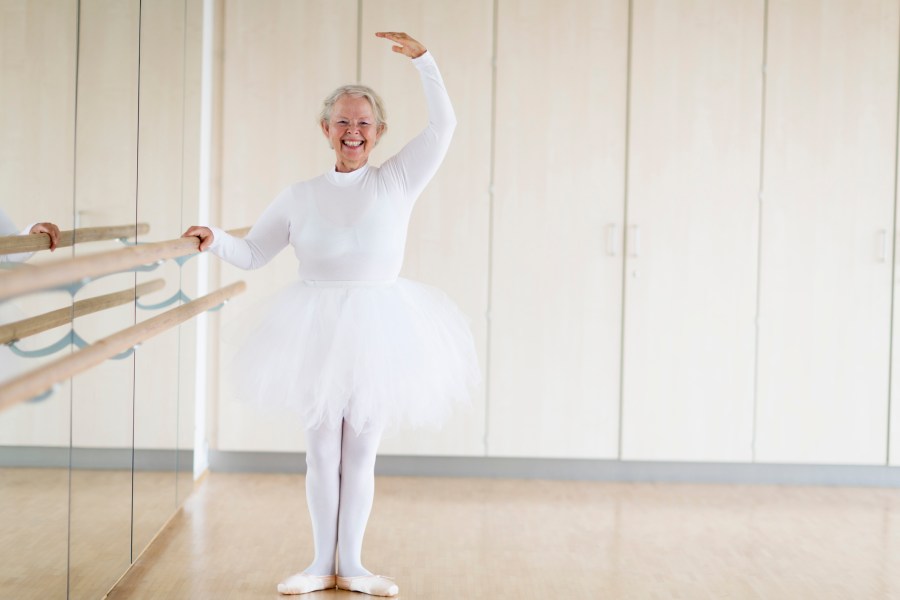
If you’ve noticed yourself slouching more or feeling less steady on your feet, ballet could be worth considering.
One of the fundamentals of ballet is maintaining good alignment, with the body held upright and the core engaged. This encourages you to become more aware of how you stand and move.
“An important aspect of ballet technique is maintaining proper alignment and posture,” says Lindsey. “Ballet helps develop body awareness, which can improve movement mechanics and encourage better posture.”
It also involves shifting your weight, coordinating your arms and legs and maintaining control as you move.
Lindsey explains that these movements can help improve balance, strengthen postural control and increase spatial awareness, potentially helping to reduce the risk of falls.
Nanci agrees that ballet is a workout for both body and brain.
“Posture is imperative in ballet. We must hold the body upright and engage the abdominal and back muscles. While holding this posture, both arms and legs are moving through spaces, challenging the body and brain.”
Can ballet help with stiff muscles and joints?
It’s very common to feel stiff when you get out of bed or after sitting for too long. Regular movement can help keep your body mobile, and ballet combines flexibility with strength.
“Flexibility in the major muscle groups and mobility in the major joints are essential components of ballet,” says Lindsey.
She explains that ballet encourages regular movement, helps maintain joint mobility and may help reduce the muscle and joint stiffness that can develop with age.
However, don’t feel you need to stretch into extreme positions or push yourself to achieve a dancer’s flexibility.
Annie stresses that warming up and cooling down are important.
“It’s important to warm up and stretch before class and cool down and stretch after class to ensure that you can continue to work safely and comfortably train into your later years.”
The key is to work within your own range of movement and build up gradually.
Could ballet give your memory a workout?
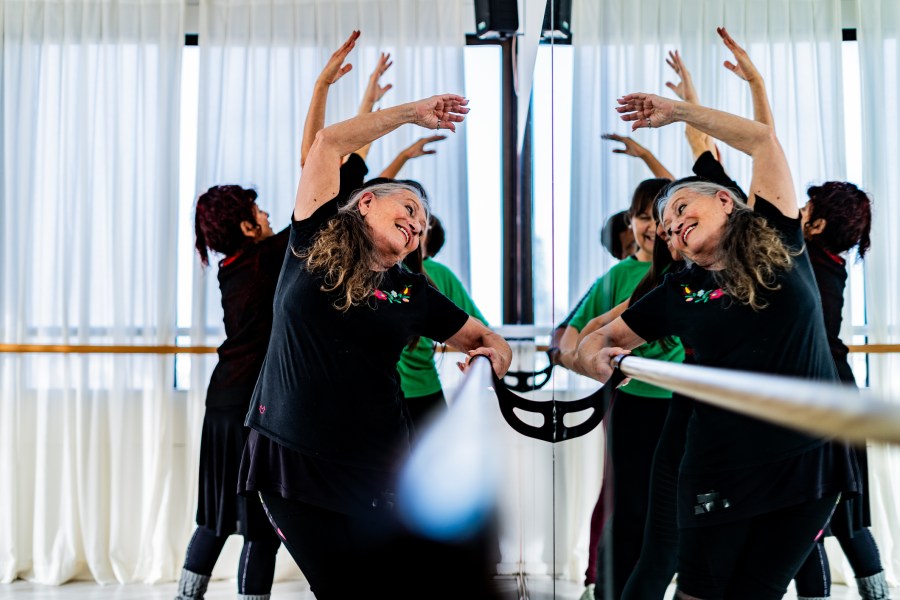
Think ballet is all about physical strength and flexibility? There’s a mental challenge, too.
Remembering steps, following instructions, learning choreography and coordinating your movements all require concentration.
“Participants must use memory, concentration and focus throughout class as they learn choreography, remember sequences and become familiar with new terminology,” says Lindsey.
In other words, you’re not just moving your body – you’re asking your brain to keep up.
Annie adds that adult students can sometimes be surprised by how much they’re expected to remember.
“In ballet class, the teacher gives the class an exercise and explains what students should focus on. Then, the students are expected to remember the exercise and perform it.”
She encourages beginners not to worry if they need a little extra help.
“New students can also stand behind more experienced students to follow along until they get used to the flow of class. It’s all part of the learning process.”
Dance research has explored the relationship between movement and memory, although ballet should not be viewed as a guaranteed way to prevent cognitive decline.
How could ballet benefit your mental health?
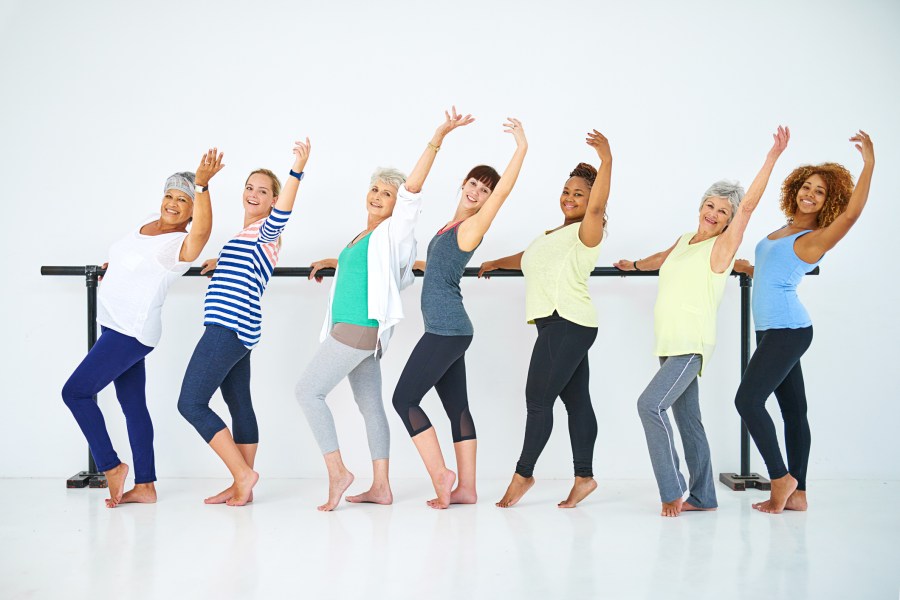
Sometimes the best thing about exercise is simply how it makes you feel.
Ballet gives you something to concentrate on, helping to take your mind away from everyday worries while you focus on your body, movements and the music.
Lindsey says this can make it a useful way to relieve stress and stay present.
“Ballet can also serve as a form of stress relief, as participants focus their attention on their bodies, movements and technique, allowing them to remain present in the moment.”
There’s also the feel-good factor of being part of a group and doing something you enjoy.
According to Annie, the adult ballet community can offer a special sense of belonging.
“As with all exercise, it can release endorphins to make you feel better. The adult ballet community is a special place, so it can also provide a sense of belonging and improved overall sense of wellbeing.”
Is ballet difficult if you’re starting later in life?
Let’s be honest: ballet can look intimidating if you’ve never tried it before.
You might worry about your flexibility, balance or ability to remember the steps. But the good news is that you don’t have to master every movement to enjoy a class.
Annie explains that placement, maintaining turnout and learning how to use the floor correctly can be challenging initially.
“One of the things I love about ballet is that skills can always be improved and refined,” she says. “I would like to invite new adult students to find joy in the journey. All of these things can be improved with practice and increasing strength and flexibility.”
And you don’t have to jump, perform advanced movements or attempt extreme stretches.
“Classes can be adapted to suit different abilities and fitness levels,” points out Lindsey.
“A typical ballet class includes a fair amount of jumping, but these movements can easily be modified or omitted to accommodate older adults.”
The important thing is to find a class that welcomes beginners and allows you to work at your own pace.
Is 50, 60 or even 70 too old to start ballet?
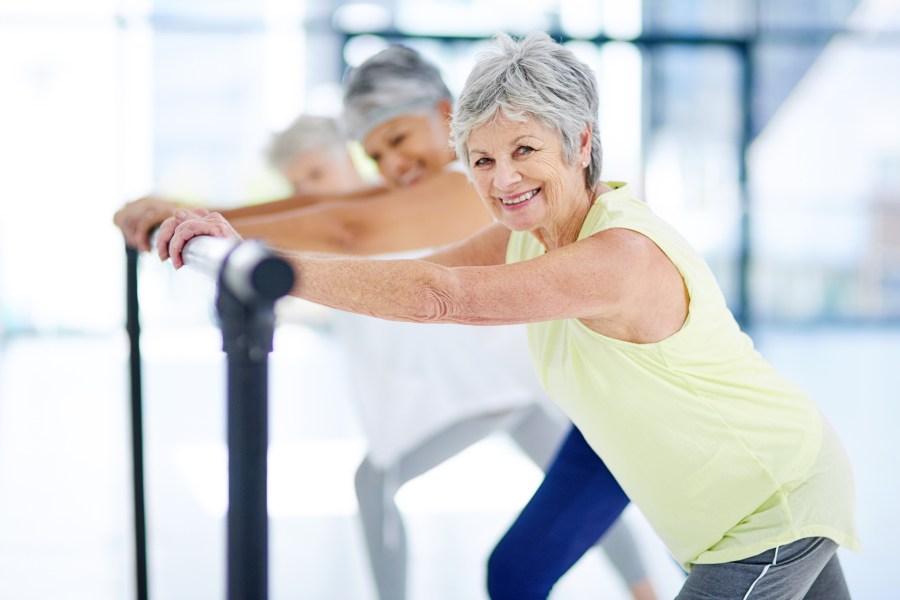
Not according to our experts.
In fact, starting later in life could mean you appreciate ballet for entirely different reasons than you might have when you were younger.
Lindsey believes older adults often focus less on competition and perfection and more on enjoying the physical, mental and emotional benefits.
And Nanci agrees that age can bring a greater appreciation of both the art form and your own body.
“As with many things in life, the older we become, the more appreciation and respect we have for art forms and our own bodies. I would say, yes! Absolutely!”
Landry recommends speaking to the teacher before your first class so they can understand your goals and help you feel comfortable.
“If it speaks to your heart, try a class!” she says.
Nanci’s message is equally encouraging.
“Ballet is the gift that keeps on giving. There is no limit or ceiling. As we age, steps and movement may require modification, but there is work and pleasure in ballet for everyone who seeks a spot at the barre.”
Three ballet moves women can try at home
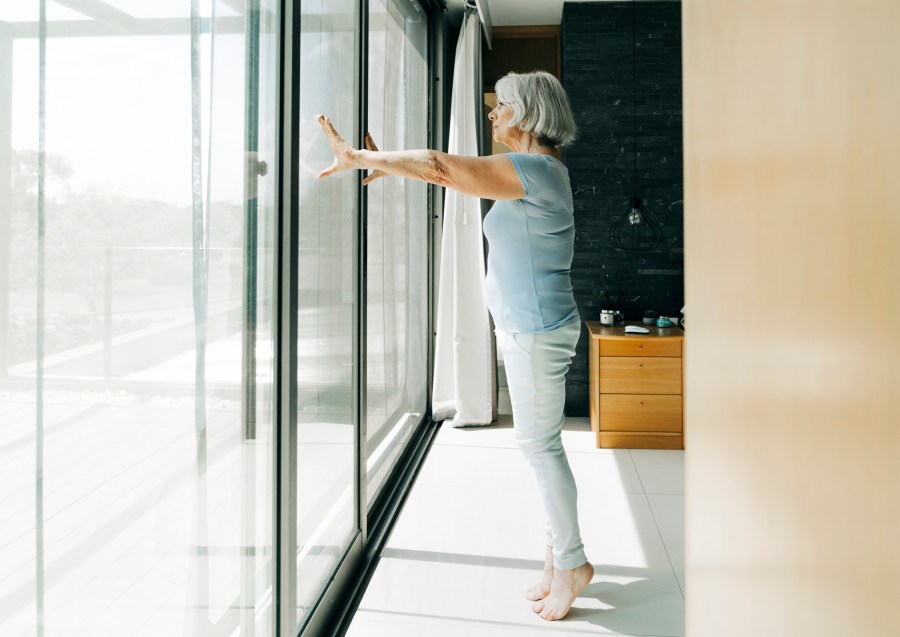
Not quite ready to join a class? These simple movements offer a gentle introduction to ballet. Use a sturdy chair or countertop for support, move slowly and stop if anything causes pain.
1. Relevé (heel raises)
Stand with your feet together or in a comfortable first position, with your heels together and toes turned out only as far as feels natural.
Slowly rise onto the balls of your feet, lifting your heels, then lower them back down with control.
Lindsey says this is a great exercise for strengthening the feet and ankles and improving balance. If standing feels challenging, try it seated.
2. Demi-plié (small knee bends)
Stand with your feet in a comfortable first position, keeping your heels on the floor.
Bend your knees gently, keeping your back upright and making sure your knees track in line with your toes. Then straighten your legs.
“This helps to build strength in the lower extremity and helps with ankle mobility,” says Lindsey.
Avoid forcing your feet into a turnout position or bending deeper than feels comfortable.
3. Port de bras (arm movements)
Stand with your arms relaxed by your sides. Slowly lift them into a rounded position in front of your chest, then open them out to the sides before returning them to your starting position.
Keep your elbows soft and shoulders relaxed.
Lindsey says the movement can help improve shoulder mobility, strengthen the core and upper back, open the chest and develop control and coordination. It can also be done seated.
The takeaway
Queen Camilla’s love of ballet is a reminder that you don’t have to be a professional dancer – or even have danced before – to enjoy the benefits of moving to music.
For women over 50, ballet can offer a fun way to work on strength, balance, posture, flexibility and coordination, while also providing mental stimulation and the chance to meet new people.
You don’t need to be flexible, have previous dance experience or look like a professional ballerina to get started. Find a welcoming beginner class, listen to your body and enjoy learning something new.
As Annie says, “I believe ballet can be enjoyed at any age!”