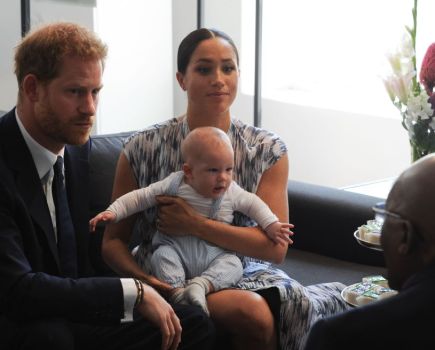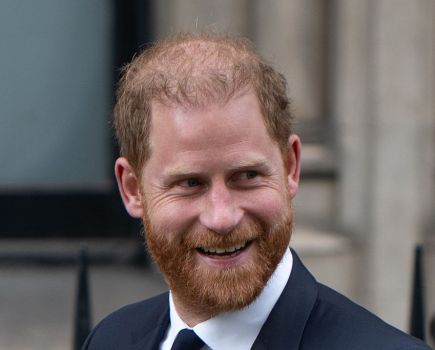

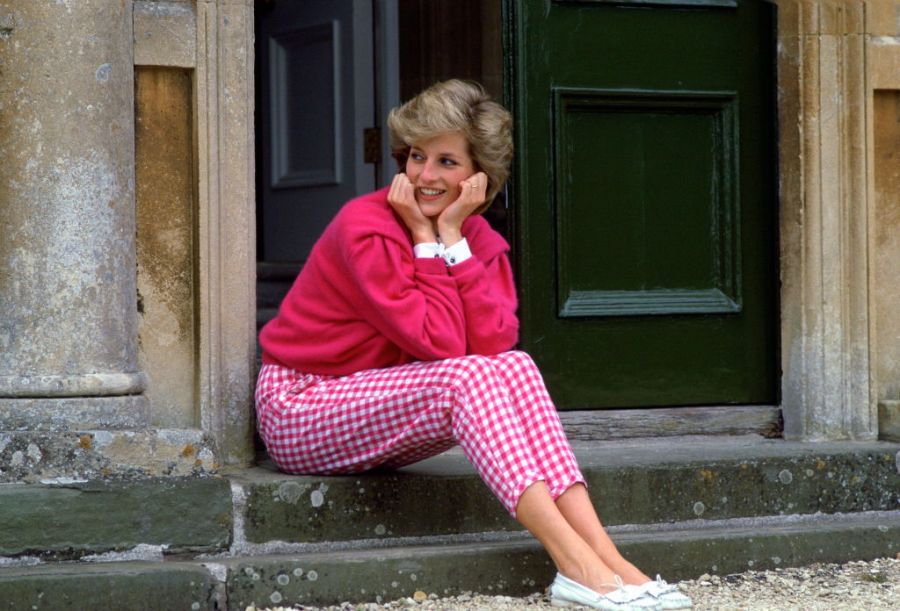
Almost three decades after Princess Diana’s death shocked the world, her influence can still be seen in the Royal Family, the causes she championed and a new generation of young people who weren’t even born during her lifetime.
Pics: Getty Images
On August 31, 1997, the world woke to news that seemed almost impossible to comprehend: Princess Diana was dead.
Just 36 years old, the mother of Prince William and Prince Harry had suffered fatal injuries following a car crash in the Pont de l’Alma tunnel in Paris. Twenty-nine years later, the shock of that night may have faded, but fascination with Diana has not.
From the mountains of flowers that appeared outside Kensington Palace after her death to the charities still carrying on her work today, Diana’s influence has proved remarkably enduring. She remains one of the most recognisable women of the 20th century – and arguably the royal who did more than anyone of her generation to change what the public expected from the monarchy.
Her life was short, turbulent and played out under extraordinary scrutiny. But behind the glamorous photographs, designer gowns and explosive headlines was a woman who used her fame to draw attention to people who were too often ignored. And it was that ability to connect with ordinary people that helped earn her the enduring nickname the People’s Princess.
From shy Lady Diana Spencer to global superstar
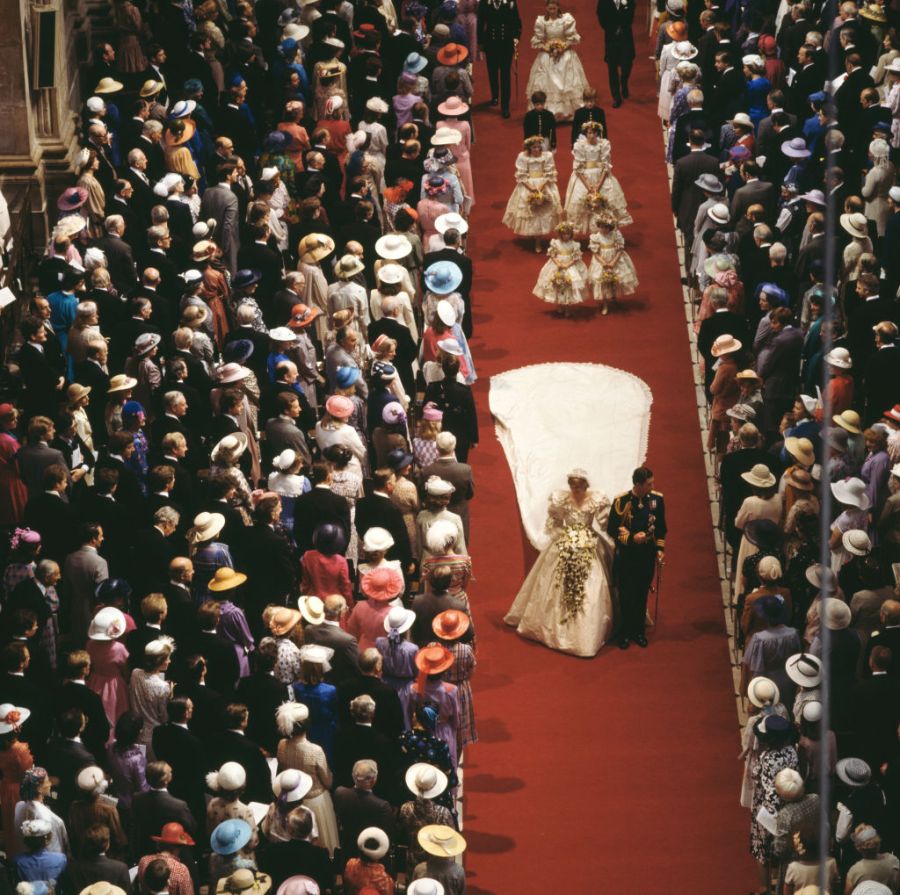
Diana was only 20 when she married the then Prince Charles at St Paul’s Cathedral on July 29, 1981. An estimated 750 million people around the world watched the ceremony, with the young bride arriving in a spectacular ivory taffeta wedding gown complete with a 25-foot train.
It appeared to be the ultimate royal fairytale.
Within a few years, however, the reality behind palace walls was very different. Princess Diana and Charles welcomed Prince William in 1982 and Prince Harry in 1984, but their troubled marriage became the subject of relentless media coverage. The couple separated in 1992 and their divorce was finalised in 1996.
Yet Diana’s departure from life as a senior royal did little to diminish her popularity. If anything, it gave her the opportunity to concentrate more closely on the causes she cared about.
Just over a year after her divorce, her life came to a devastating end.
The night that shocked the world
Princess Diana died from injuries sustained in the Paris car crash in the early hours of August 31, 1997. Her companion Dodi Fayed and driver Henri Paul were also killed.
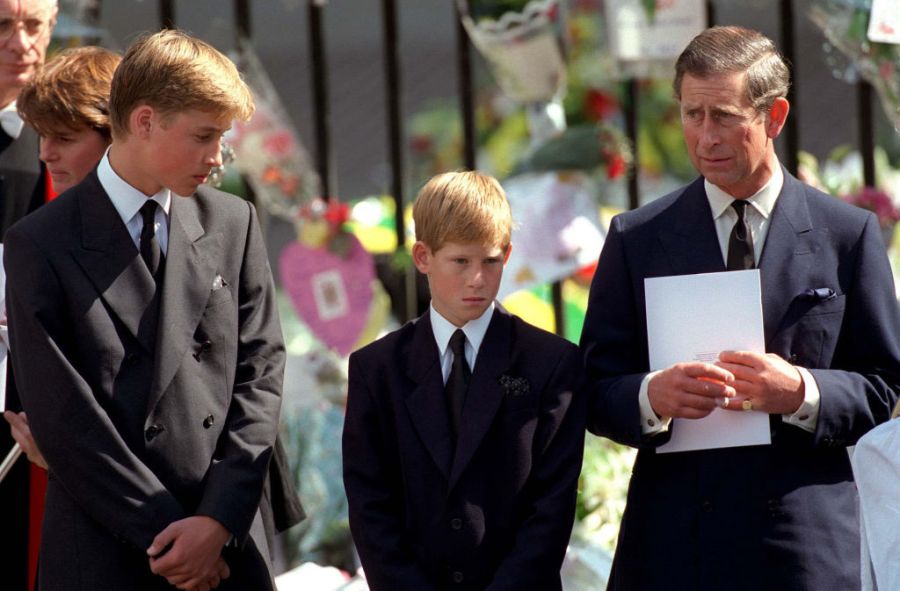
The public reaction was unlike anything the modern monarchy had experienced. Almost immediately, mourners began gathering outside Kensington Palace. Flowers, cards and personal messages eventually covered vast areas surrounding the gates.
In Paris, people also left tributes close to the scene of the crash. Six days later, on September 6, Diana’s funeral took place at Westminster Abbey. An estimated 2.5 billion people around the world watched or listened to the service.
For millions, the grief felt intensely personal. That connection was at the heart of Diana’s appeal. Despite her enormous fame and royal status, people often felt she understood vulnerability, loneliness and suffering in a way that members of the Royal Family had rarely displayed publicly before.
The princess who helped changed attitudes towards HIV and AIDS
Perhaps nowhere was Princess Diana’s willingness to challenge convention more powerful than in her work surrounding HIV and AIDS.
At a time when misinformation and fear about HIV were widespread, Diana publicly shook hands with an HIV-positive patient without wearing gloves. It was a simple gesture, but an extraordinarily powerful one.
By deliberately showing physical contact, Princess Diana helped challenge the false belief that HIV could be transmitted through ordinary touch. Her brother Charles Spencer later described her approach to people as being centred on genuine human contact.
It became characteristic of the way Diana approached charitable work. Rather than simply appearing at events, posing for photographs and leaving, she wanted to understand the people behind the causes she supported.
She visited hospitals, homeless shelters and communities that many public figures rarely encountered.She also recognised the extraordinary power of the attention surrounding her and learned how to turn it towards people who needed it.
Instead of allowing the cameras to focus solely on her clothes, relationships and private life, Diana increasingly used them to shine a light on issues ranging from homelessness and HIV/AIDS to leprosy and landmines.
How Diana changed what it meant to be royal
Princess Diana’s approach also helped transform public expectations of the monarchy. Royal engagements had traditionally been formal occasions governed by protocol. Diana often appeared instinctively more tactile.
She hugged people, crouched down to speak to children at their level. She held patients’ hands and listened to people describing experiences far removed from palace life.
Her openness about her own struggles also made her unusual within an institution historically associated with keeping private difficulties firmly behind closed doors. That willingness to show vulnerability helped create a different model of royalty – one that placed emotional connection alongside duty and ceremony.
Elements of that approach can still be seen in the modern Royal Family, particularly in the work of her sons, Prince William and Prince Harry.
The landmine walk that made headlines around the world
One of Diana’s most memorable humanitarian moments came during the final year of her life.
In January 1997, she travelled to Angola and walked through a cleared section of an active minefield while wearing protective clothing. The images travelled around the world.
Princess Diana’s involvement drew enormous attention to the devastating impact landmines continued to have on civilians long after conflicts had ended.
Once again, she demonstrated her extraordinary ability to take a subject that received comparatively little mainstream attention and place it on newspaper front pages around the globe.
Her involvement was sometimes controversial, but the publicity was impossible to ignore.
Diana understood the currency of her celebrity – and repeatedly spent it on causes she believed deserved attention.
A legacy being carried by a generation that never knew her
Perhaps the clearest evidence of Diana’s lasting influence is that her name continues to inspire people who were not alive when she died.
The Diana Award, established in her memory, works with young people and seeks to continue her belief that they have the power to change the world.
The organisation has previously pointed out that tens of thousands of young people around the world have been inspired by Diana’s legacy, despite many of them having been born years after her death.
Its work includes anti-bullying, mentoring and programmes supporting young changemakers.
That may be one of the most significant parts of Diana’s legacy.
She is no longer remembered only through archive footage of royal weddings, glamorous gowns or the tragedy surrounding her death. Her name has become associated with encouraging younger generations to create positive social change.
Why are we still fascinated by Diana?
Had she lived, Diana would now be 65. It is impossible to know what direction her life might have taken or what role she would occupy in a Royal Family that has changed dramatically since 1997.
Yet nearly three decades after her death, interest in her remains extraordinary. Books, documentaries, dramas and exhibitions continue to revisit her life. Her clothes remain cultural artefacts. Photographs of her are instantly recognisable to generations who never experienced “Diana mania” first-hand.
Part of that fascination undoubtedly comes from the tragedy of a famous life cut short. But Diana’s enduring appeal also comes from the contradictions that made her such a compelling figure.
She was a princess who appeared uncomfortable with parts of royal life; one of the world’s most photographed women who frequently spoke about feeling lonely; and an international celebrity who became best known for drawing attention away from herself and towards people who felt forgotten.
Twenty-nine years after the Paris crash that stunned the world, the photographs remain familiar and the story continues to be retold. But Diana’s most significant legacy may be something far simpler. She showed how compassion, when combined with an extraordinary public platform, could change attitudes. And almost three decades after her death, people around the world are still following her example.