
From scandal and heartbreak to constitutional questions and relentless media scrutiny, these are the royal divorces that dominated the headlines and helped reshape the monarchy
PICS: Getty Images
Royal romances are associated with grand weddings, historic palaces and fairy-tale endings. But behind the ceremony, royal marriages face the same pressures as any relationship — intensified by duty, tradition and public scrutiny.
For centuries, divorce was almost unthinkable within royal circles. King Henry VIII’s determination to end his first marriage helped lead to the English Reformation, while King Edward VIII abdicated in 1936 to marry Wallis Simpson, an American divorcée. In recent decades, however, royal families have increasingly accepted that marriages can end, even for those at the center of public life.
While royal divorces still make headlines, they no longer create the constitutional shock they once did. These stories reveal the human side of monarchy: lives shaped by love, family and loss, all played out under extraordinary public attention.
Charles and Diana
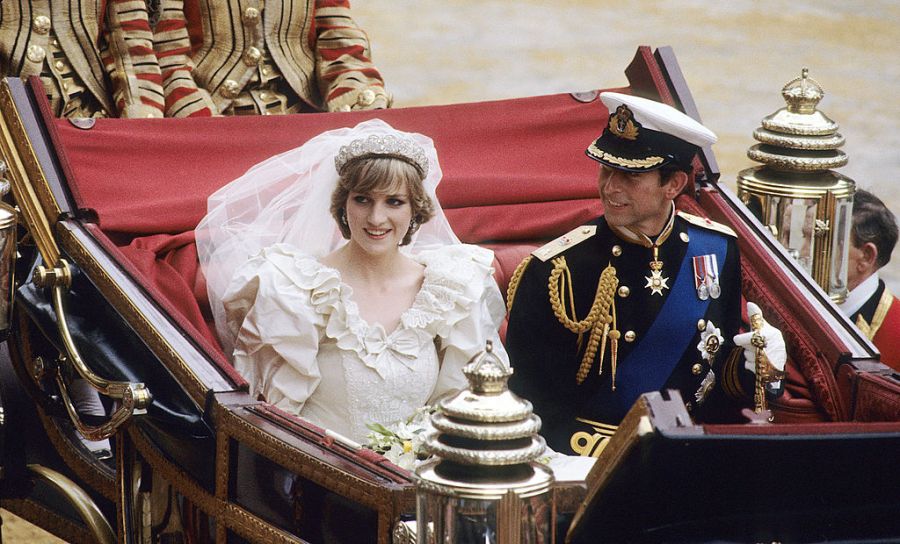
The most famous royal divorce of the modern age was that of Charles, then Prince of Wales, and Diana, Princess of Wales. Their 1981 wedding was watched around the world and appeared to be the beginning of a modern fairy tale. Yet the marriage was troubled from early on. Charles, 13 years older than Diana, remained close to Camilla Parker Bowles, whom he had known before his marriage.
The couple had two sons, Prince William and Prince Harry, but their relationship steadily deteriorated. In her 1995 BBC Panorama interview, Diana famously said, “There were three of us in this marriage, so it was a bit crowded.”
Charles and Diana separated in December 1992. After Diana’s television interview increased public pressure, Queen Elizabeth II urged them to divorce. Their marriage was formally dissolved in August 1996.
Diana retained the title Princess of Wales but no longer used Her Royal Highness. Less than a year later, she died in a car crash in Paris, an event that deeply affected Britain and transformed the public’s relationship with the monarchy.
Princess Anne and Mark Phillips
Princess Anne married Captain Mark Phillips, an Olympic equestrian, in 1973. They had two children, Peter Phillips and Zara Tindall, but the marriage began to unravel in the late 1980s.
They separated in 1989 and divorced in 1992 after years of leading increasingly separate lives. Anne remarried Royal Navy officer Timothy Laurence later that year. Their marriage has since become one of the most enduring partnerships in the extended royal family.
Prince Andrew and Sarah Ferguson
Prince Andrew and Sarah Ferguson’s marriage was another casualty of 1992, the year Queen Elizabeth II later called her “annus horribilis.”
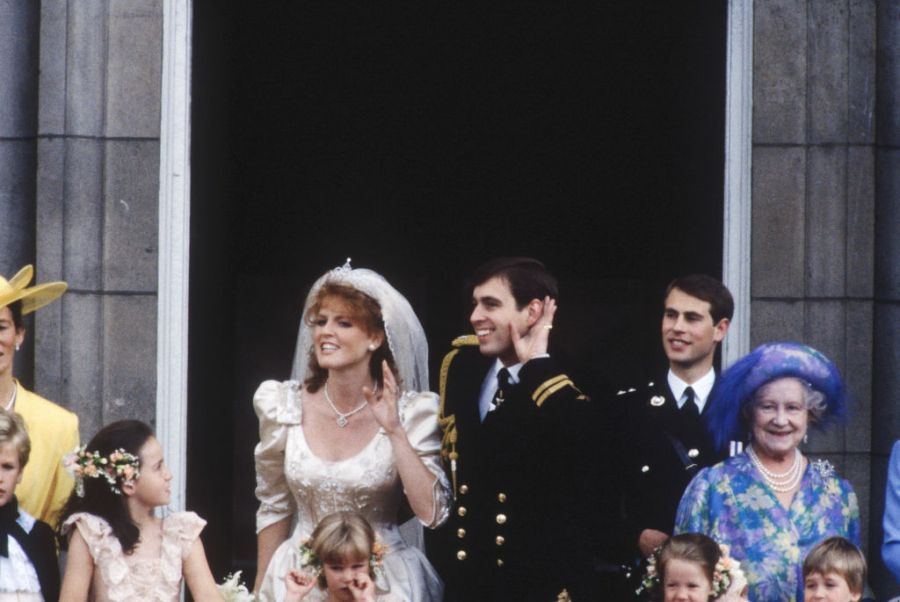
They married in 1986 and had two daughters, Princess Beatrice and Princess Eugenie. Andrew’s naval career often kept him away from home, while Sarah’s private life became a constant subject of media attention.
They separated in 1992 and divorced in 1996, but remained close and continued to share a home at Royal Lodge in Windsor for years afterward. Their post-divorce relationship has often been defined by friendship and a shared commitment to their daughters.
Princess Margaret and Antony Armstrong-Jones
Princess Margaret’s divorce from Antony Armstrong-Jones was one of the first major royal marital scandals of the modern era.
Margaret, Queen Elizabeth II’s younger sister, married photographer Antony Armstrong-Jones in 1960 in the first televised royal wedding. They had two children, David Armstrong-Jones and Lady Sarah Chatto, but their marriage became strained during the 1970s.
After photographs emerged of Margaret holidaying with Roddy Llewellyn, a man 17 years her junior, the couple came under intense public scrutiny. They divorced in 1978, in the first divorce involving a senior British royal in decades.
Peter Phillips and Autumn Kelly
Princess Anne’s eldest, Peter, met Canadian-born Autumn Kelly in 2003 at the Canadian Grand Prix. After marrying in 2008, and welcoming daughters Savannah in 2010 and Isla in 2012, the Phillips family seemed picture-perfect.
However, the couple shocked the nation when they announced their intent to divorce in February 2020, emphasising that their two young daughters remained their top priority. “After informing HM The Queen and members of both families last year, Peter and Autumn jointly agreed to separate,” a statement from Buckingham Palace read at the time.
“They had reached the conclusion that this was the best course of action for their two children and ongoing friendship. The decision to divorce and share custody came about after many months of discussions and, although sad, is an amicable one.” It continued: “The couple’s first priority will remain the continued well-being and upbringing of their wonderful daughters, Savannah and Isla.”
Despite their split, the pair appear to be on good terms and have both moved on with other partners in the years since.
David and Serena Armstrong-Jones
In another blow for the British royals, David Armstrong-Jones, son of Princess Margaret and Tony Armstrong-Jones, announced his divorce from his wife Serena just days after Peter and Autumn. The couple first met through Serena’s father when he commissioned David to make custom furniture for him. They married in 1993 and welcomed son Charles in 1999, and daughter Lady Margarita in 2002.
Their marriage lasted 25 years until February 2020 when they announced their divorce via a royal statement. “The Earl and Countess of Snowdon have amicably agreed that their marriage has come to an end and that they shall be divorced,” the statement read. “They ask that the press respect their privacy and that of their family.”
King Henry VIII and Katherine of Aragon
King Henry VIII famously split with the Catholic church in 1534 in order to divorce the first of his six wives, Katherine of Aragon, who had not become pregnant with a male heir throughout their marriage. After the Pope denied Henry’s request for a divorce, the monarch established his own Church of England and changed the course of world history. (Though technically, he had his marriages annulled, rather than divorcing his wives, so he could remain virtuous.)