


People all over the world are turning to continuous glucose monitors (CGMs), blood tests and personalised nutrition plans to help manage their blood sugar – even if they don’t have diabetes. But do they work, and are they right for you? Here’s everything you need to know.
Words: Amy Mica Marsden. Images: Shutterstock.
At one time, regular blood glucose monitoring was largely limited to people with diabetes. Technological advancements – including the invention of finger prick testing and CGMs – were life-changing for millions of people with the condition.
But should you track your blood sugar levels, even if you’ve never been diagnosed with diabetes?
In recent years, companies have sprung up offering this technology to those who wish to keep an eye on their blood sugar. From consumer-led CGMs to send-away blood tests and personalised nutrition plans, more and more people are paying to take a closer look at their personal health.
What is a CGM, and should I consider getting one?
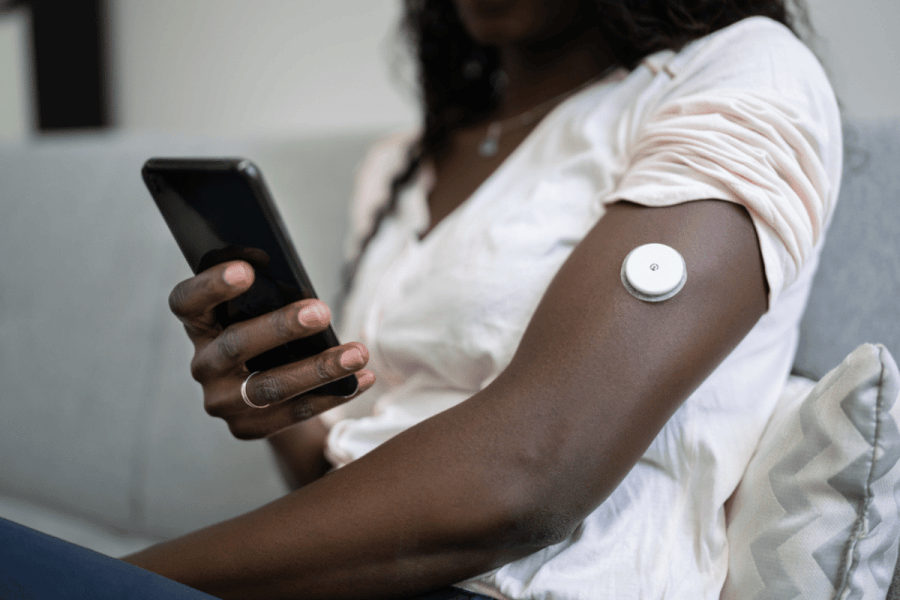
A Continuous Glucose Monitor (CGM) is a small device that sits on your skin for one or two weeks. It continuously measures your blood sugar levels through a small node under your skin. Usually, you’ll be able to access these measurements via a smartphone.
But is it right for you, even if you don’t have diabetes? Some experts think so.
‘Considering the high prevalence of type 2 diabetes and prediabetes, I’d argue that everyone should use a CGM for at least a few weeks,’ says Karen Kennedy, functional nutritionist and author of Hack Your Blood Sugar.
‘If you’re on the slippery slope to developing type 2 diabetes, the sooner you course-correct, the easier it is. Waiting until you have a diagnosis means the disease has likely been brewing for over 10 years.’
Dr Eleonora Fedonenko, a board-certified internist and Medical Director of Your Laser Skin Care in Los Angeles, agrees.
‘The difference between the information provided by standard laboratory tests and the real-time information provided by a CGM is literally enormous.’
‘If you think your diet may be contributing to your fatigue, weight gain or loss, or lack of sleep, you’ve got a pretty good excuse to give one a try.’
Most CGMs are only available with a prescription, but there are a few on the market available without one. This included Lingo by Abbott, which retails at £59 or $54 for one monitor (lasting around two weeks).
What about personalised nutrition?
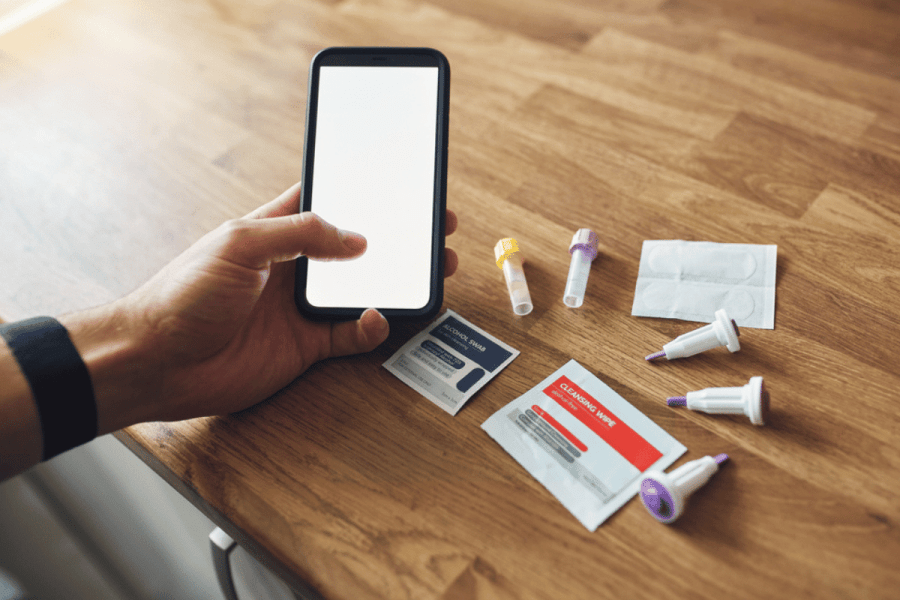
If you don’t want to go the CGM route to track your blood sugar, there are other options available. With services such as Healf and Numan, you have the option to perform a home blood test and send it away through the post for testing.
From that, you’ll receive information about various biomarkers present in the blood – including HbA1c, which gives a representation of your average blood sugar levels over the past two to three months.
Typically, you’ll then receive recommendations about your nutrition and lifestyle, as well as suggestions for supplements or further treatments.
And if you’re squeamish or don’t want to go the medical route? Services like Combe Grove can provide meal plans specifically designed to lower blood sugar.
Why track blood sugar?
Having consistently high blood sugar isn’t just a short-term health problem.
‘Damage from high blood sugar is cumulative and only becomes apparent over time,’ explains Dr Eleonora Fedonenko.
‘Usually, the blood vessels are the first to be affected, and over the years the arterial wall stiffens and increases cardiovascular risk because of high glucose.
‘Damage to the nerves is also a long-term issue, which begins in the extremities and works its way inwards if glucose is left high without action. Most patients experience no symptoms whatsoever until damage reaches a clinical threshold, making it more difficult to reverse.’

Is there a downside to tracking blood sugar?
There is some disagreement among healthcare professionals about exactly how useful it is to monitor blood sugars for those who don’t have diabetes – and some think the resulting anxiety might do more harm than good.
A recent study published in The American Journal of Clinical Nutrition also suggests that CGMs may regularly overestimate blood sugar levels by 30% or more.
Speaking on the Dr Karan Explores podcast, nutrition scientist at the University of Oxford Nicola Guess advises that ‘if glucose isn’t pathological, you don’t need to intervene to lower glucose acutely’.
‘In people without diabetes, and indeed with type 2 diabetes, glucose is a symptom of everything that’s going on underneath. So even if you were to say, “I just want to catch pre-diabetes early”… well, actually, the glucose is a symptom of the underlying damage, which, if you’re relying on your blood glucose level to tell you what to do, is going to mislead you.’
‘The absolute primary thing that most people should do is manage their weight to prevent type 2 diabetes.’