
Forget frown lines – new research suggests Botox could have benefits that go way beyond looking younger. But could the popular anti-wrinkle treatment really help ease depression? We asked three medical experts.
Pics: Getty Images
As someone who has Botox, I’m very interested by the latest research suggesting the popular anti-wrinkle treatment could do more than simply smooth out the lines on my forehead.
Although I don’t suffer from depression, I take the antidepressant sertraline following a history of panic attacks.
So when I discovered that researchers had been comparing the potential antidepressant effects of Botox with those of the medication I take, it got my attention.
I’ve always associated Botox with looking a little fresher, rather than feeling happier. But could what’s happening on the outside of our faces really influence what’s going on inside our heads?
Botox for depression: what does the science say?
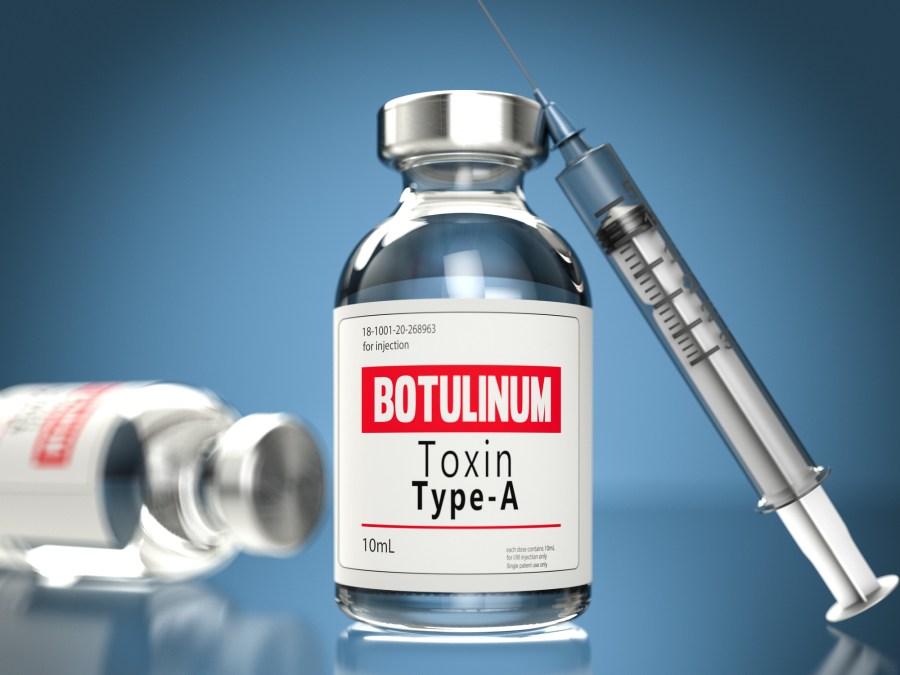
A 2026 review of eight studies involving 636 people investigated the effects of botulinum toxin type A – the substance used in Botox – on symptoms of depression.
The findings suggest that people receiving the injections experienced greater improvements in depression scores than those receiving placebo ones.
Psychiatrist Dr Robert Dean Davies believes the findings are encouraging.
“This could be an exciting new avenue of treatment,” he explains, although he stresses that further research is needed.
According to plastic and reconstructive surgeon Dr Riaz Agha, it’s still very early days.
“Some of the biggest reported improvements were in some of the smallest studies,” he says. “For now, I would regard this as an experimental use.”
Could frowning actually be making us feel worse?
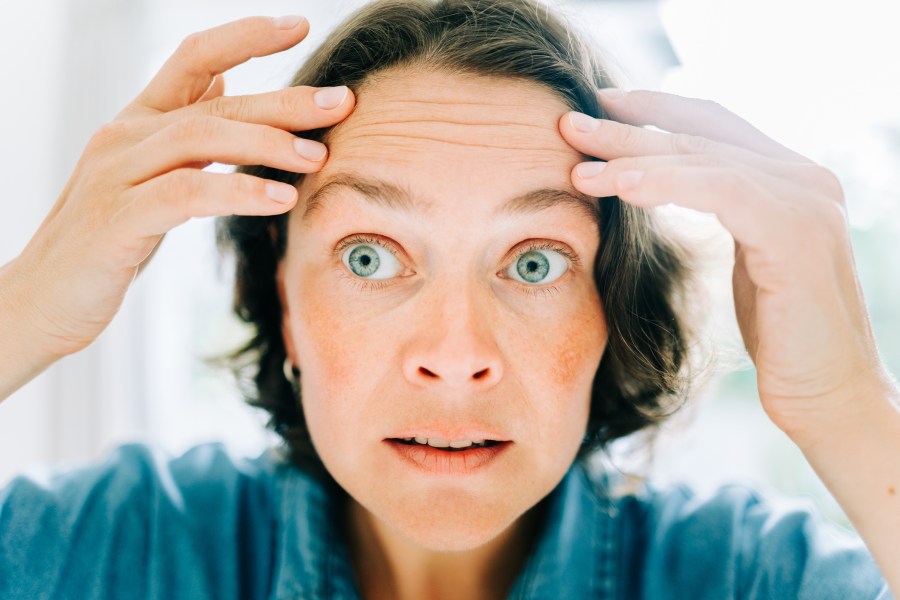
We all know that feeling miserable can make us frown. But what if it works the other way around, too?
It’s a concept known as the facial feedback hypothesis, which suggests our facial expressions don’t just reflect our emotions – they may also influence them.
Dr Linda Dolin, medical director of the Sylvia Brafman Mental Health Center, explains: “Repeatedly tensing (and contracting) facial muscles when feeling sad, angry, or frustrated can become an emotional stimulus.”
By temporarily relaxing those muscles, Botox could potentially interrupt some of the negative emotional feedback being sent to the brain.
Of course, depression is far more complicated than simply looking unhappy.
“It is impossible to stop someone from having feelings of sadness or depression by preventing them from frowning,” Dr Dolin stresses.
It’s all about those ‘11 lines’
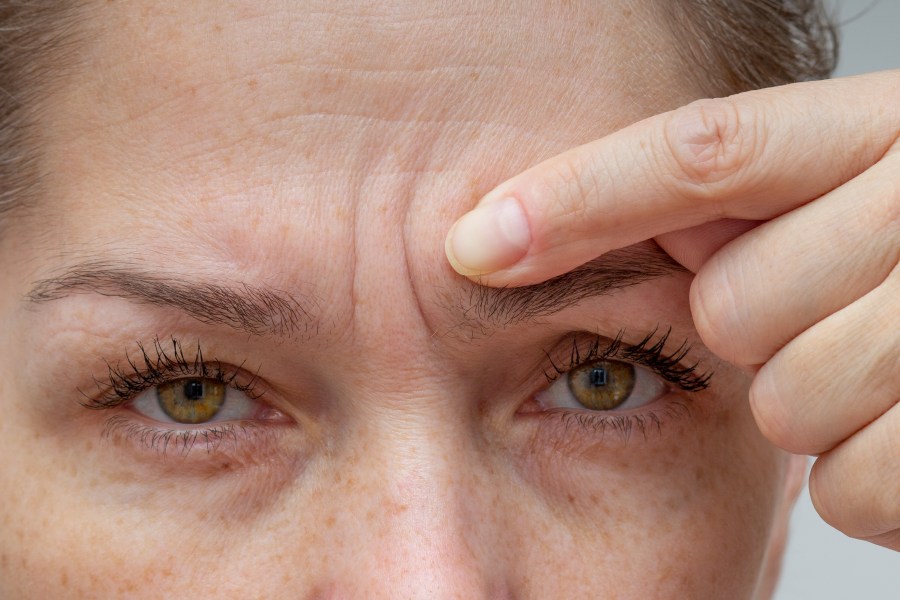
If, like me, you’re familiar with Botox, you’ll probably know all about those pesky vertical lines that develop between our eyebrows.
Interestingly, it’s this particular area that has attracted considerable attention from researchers.
The muscles responsible for creating those lines are frequently activated when we feel worried, angry, frustrated or sad.
“By relaxing these muscle groups, it is possible that the feedback loop of emotion being processed by the brain will be altered,” explains Dr Dolin.
However, Dr Agha says differences in how the studies were conducted make it difficult to establish whether treating the frown lines is more effective than treating other areas of the face.
What happens inside your brain when you have Botox?
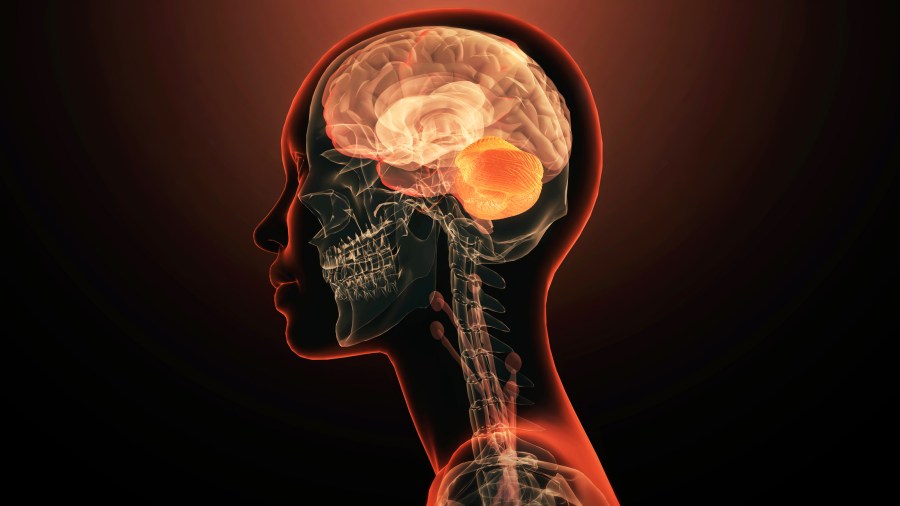
Perhaps one of the most fascinating aspects of the research is what scientists have observed in brain scans.
Dr Agha highlights a study in which participants were asked to mimic an angry expression.
“Those who’d had their frown muscles treated showed less activity in the amygdala,” he explains.
The amygdala is an area of the brain involved in processing emotions, including fear.
Whether this change explains any improvement in depression remains unclear, but it offers an intriguing insight into the relationship between our faces and our brains.
How impressive are the results?
In one trial involving 74 people, 52% of those receiving Botox saw their depression scores fall by at least half after six weeks, compared with just 15% of those receiving a placebo.
However, before we get too excited, a larger trial involving 255 women produced less convincing results.
Neither of the two doses tested showed a statistically significant advantage over placebo on the main depression measure at six weeks.
And, as Dr Davies points out, a reduction in depression scores doesn’t necessarily mean someone has fully recovered.
What really matters is whether people are sleeping better, feeling more motivated and enjoying life again.
Could Botox really rival antidepressants?
As someone who has benefited from taking sertraline, this was the aspect of the research I was particularly keen to understand.
Some early studies suggest Botox may produce similar reductions in depressive symptoms to sertraline in certain patients.
But that doesn’t mean the two treatments are equally effective.
“There is a much larger body of evidence supporting the use of Sertraline than there is for Botox,” explains Dr Davies.
Dr Agha also highlights limitations in the research, including the fact that one study did not randomly assign participants to treatments, while another specifically investigated depression following a stroke.
So, no, this is certainly not a reason to swap your antidepressants for Botox.
Could it help if antidepressants haven’t worked?
For anyone who has struggled to find an effective treatment for depression, the prospect of something that works differently is understandably appealing.
One French trial investigated Botox alongside existing treatment in people whose depression had persisted despite taking two different antidepressants.
While the initial results were encouraging, the difference in response rates between those treated in the frown lines and those treated around the eyes was no longer statistically significant after 12 weeks.
Dr Dolin believes Botox’s potential to complement existing treatments is worth exploring, but its effectiveness for treatment-resistant depression remains unclear.
How quickly could you feel the benefits?
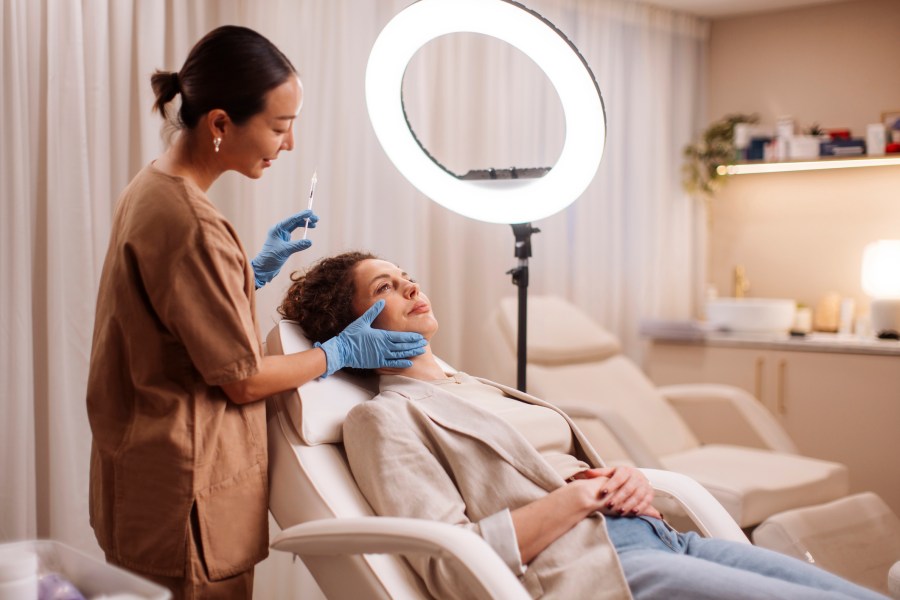
Anyone who has had Botox will know that the results aren’t instant. My face starts to look better after it has settled in around two weeks later.
Interestingly, some clinical trials reported improvements in depressive symptoms within two to six weeks, according to Dr Davies.
There are also suggestions that the psychological benefits could last several months.
However, researchers have yet to establish how long any antidepressant effect typically lasts or whether repeated treatments could help prevent depression returning.
Could Botox help with anxiety, too?
Having experienced panic attacks in the past, I was curious about whether the potential mental health benefits might extend beyond depression.
Unfortunately, the evidence isn’t convincing.
The latest review found no statistically significant improvement in anxiety symptoms.
“There’s too little evidence to recommend facial Botox for anxiety or everyday stress,” says Dr Agha.
What about menopause-related depression?
Considering how much money many women spend on aesthetic treatments during their forties and fifties, could Botox potentially offer an unexpected benefit during menopause?
At present, there isn’t enough evidence to say.
Although many participants in the studies were women, researchers didn’t establish whether the results differed according to menopausal status.
Hormonal fluctuations, disrupted sleep and significant life changes can all contribute to depression during this stage of life, explains Dr Davies.
Botox doesn’t address these underlying issues.
Is it simply a case of looking good and feeling better?
I know how much better I can feel after a good haircut, so it’s hardly surprising that feeling happier with our appearance could give us a psychological boost.
But how do scientists separate that confidence boost from a genuine antidepressant effect?
It’s one of the biggest challenges facing researchers, particularly as people receiving Botox may quickly realise they’ve had the active treatment when they discover they can no longer frown as easily.
And there’s a big difference between feeling good about what you see in the mirror and recovering from clinical depression.
Should you book Botox to boost your mood?

Not on the strength of this research.
Botox is not licensed in the UK to treat depression and carries risks, including bruising, headaches, temporary eyelid drooping and, rarely, serious complications involving muscle weakness.
Difficulty swallowing or breathing, or developing slurred speech following treatment, requires emergency medical attention.
“I would definitely advise against booking cosmetic Botox to treat depression,” says Dr Agha.
If you’re struggling with your mental health, speak to your GP and never stop taking prescribed antidepressants without consulting your prescriber.
As someone who has Botox, I find the idea that it could eventually have a role in treating depression fascinating.
But for now, I’ll be sticking to having it for my wrinkles and leaving the management of my mental health to my doctor.