
As we approach party season, beauty treatments like lymphatic drainage are becoming the ultimate pre-event treatment, promising sculpted silhouettes, reduced puffiness, and an instant glow without needles or downtime – but what if it offers benefits beyond our appearances?
Words: Amy Dowrick | Images: Shutterstock
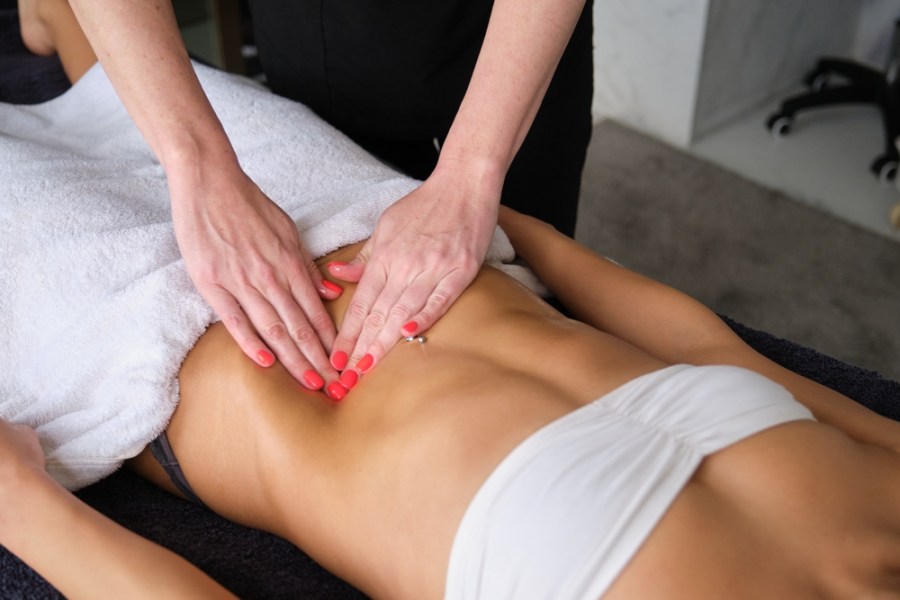
Lymphatic drainage is everywhere right now – and there’s no wonder. Using gentle techniques and light skin massages, the process works to redirect trapped lymph fluid from swollen tissues toward working lymph nodes and vessels, which eases fluid buildup and swelling to leave you with glowing, sculpted skin.
But with winter bringing a rise in colds, flu and seasonal infections, there’s now a growing interest in the role our lymphatic system plays in keeping us healthy – not just easy on the eye.
I caught up with Brazilian-born wellness expert and founder of her own specialist lymphatic drainage and bodywork brand Deborah Marchi, to find out how the process works beyond the aesthetics.
What does lymphatic drainage do?
While lymphatic drainage is the ultimate bodywork massage technique if you’re after a healthy glow, according to Deborah, it’s so much more than that.
“The benefits go far beyond what we see in the mirror. We’re talking about helping with fluid retention, swelling, heavy and tired legs, that uncomfortable bloated feeling, and supporting the movement of lymph through the body,” she says.
“The massage also works on the skin and superficial tissues, so clients often describe this lovely feeling of warmth, freshness, relief and lightness afterwards,” she adds. “And even though it’s not designed as a relaxation massage, it can be incredibly relaxing. You feel it in your body, and you feel it in your mind too.”
And it even works wonders for your gut, too.
“Many clients come to us feeling bloated or constipated and tell us that things started moving after their massage,” says Deborah. “I understand them completely because I struggle with constipation myself. Having my massage every week is part of my own routine, and I genuinely feel it helps me with that.”
“Health and wellbeing come first,” she adds. “The aesthetic results are this wonderful bonus, and we love them too – but lymphatic drainage goes so much further than aesthetics.”
It’s role in healthcare
Part of our immune system, lymphatic drainage helps maintain the body’s fluid balance, transporting lymph through a network of vessels and lymph nodes – which is why manual lymphatic drainage plays a particularly important role in healthcare.
“It’s used in specialist care for conditions such as lymphoedema and can be part of the management of lipoedema,” says Deborah. “For people living with these conditions, the benefits aren’t simply about how their bodies look. It’s about feeling more comfortable, having less discomfort and enjoying a better quality of life.”
“Pregnancy is another time when lymphatic drainage can bring so much comfort,” she adds. “A woman’s body goes through incredible changes, especially hormonal and circulatory changes, and these can affect how she feels throughout those nine months. Massage can help with fluid-related discomfort and offer a moment to relax, reconnect with her body and feel looked after.” And even after welcoming a baby, Deborah says that lymphatic drainage can offer further support as a woman’s body readjusts post-birth.
Post-operative care is another area that benefits from the practice. According to Deborah, lymphatic drainage after aesthetic surgery in Brazil is considered a normal part of the recovery process – and it’s almost unthinkable to have aesthetic surgery without a post-operative drainage plan recommended by the surgeon.
“There’s a reason we take it so seriously,” she says. “After surgery, the body goes through a lot, from swelling and bruising to tissue changes during healing. When recommended for the procedure and performed at the right stage of recovery, lymphatic drainage can help manage post-operative swelling and discomfort. Concerns such as fibrosis and scar tissue also deserve proper assessment and specialist care.”
And while more doctors in the UK are recommending lymphatic drainage after surgery, there are still many who won’t receive that post-op care.
Another area that Deborah sees her clients come from are those during and after cancer treatment – and while medical clearance is essential, because every person’s treatment and recovery journey is different, there is growing recognition of how specialist lymphatic treatments can support cancer care – particularly in managing lymphoedema.
“We have treated many clients during and after their cancer treatment, and the feedback we receive is incredibly meaningful,” she says. “They tell us how much this care helps them feel more comfortable and give them a sense of relief and relaxation during such a challenging time. And sometimes it’s also about confidence, feeling more like themselves again when their bodies have been through so much.”
Deborah says that this care can continue after treatment too and can play just as important a role when people are still recovering physically and emotionally. “Being able to offer some comfort, alongside their medical care, and hearing what that means to them is something I find incredibly rewarding,” she adds.
And then there’s the emotional side – which Deborah says should never be underestimated. “We carry so much stress in our everyday lives, and that can affect how we feel physically and mentally,” she says. “Sometimes having an hour to switch off, relax and allow someone to look after you makes such a difference. I see clients leave feeling calmer, more comfortable and more connected with their bodies.”
Why you should add it to your winter routine
“I really believe our bodies, our energy and even our routines are connected to the seasons,” says Deborah. “There’s something very natural, almost ancestral, about respecting those changes and learning to listen to what our bodies need throughout the year.”
During the summer, Deborah says that people often look for lymphatic drainage for aesthetic reasons, with many experiencing fluid retentions due to the warmer weather – but by the time autumn arrives and winter starts approaching, a different rhythm for your routine should be embraced.
“Winter is when we become more aware of our immune system, with all the colds, flu and respiratory infections going around,” she says, suggesting how our lymphatic system is closely connected to our immune defences. “Our lymph nodes are home to white blood cells, including lymphocytes, which help recognise and fight infections. So, when we talk about looking after our lymphatic system, we’re talking about something that plays a very important role in keeping us healthy.”
“During winter, we’re already exposed to more respiratory viruses, especially as we spend more time indoors – and when you add a busy lifestyle, constant stress, exhaustion and poor sleep to the mix, you’re putting even more pressure on your body,” she adds. “Over time, that can affect how well your immune system responds, leaving you more vulnerable to getting sick – which is why taking time to slow down is so important.”
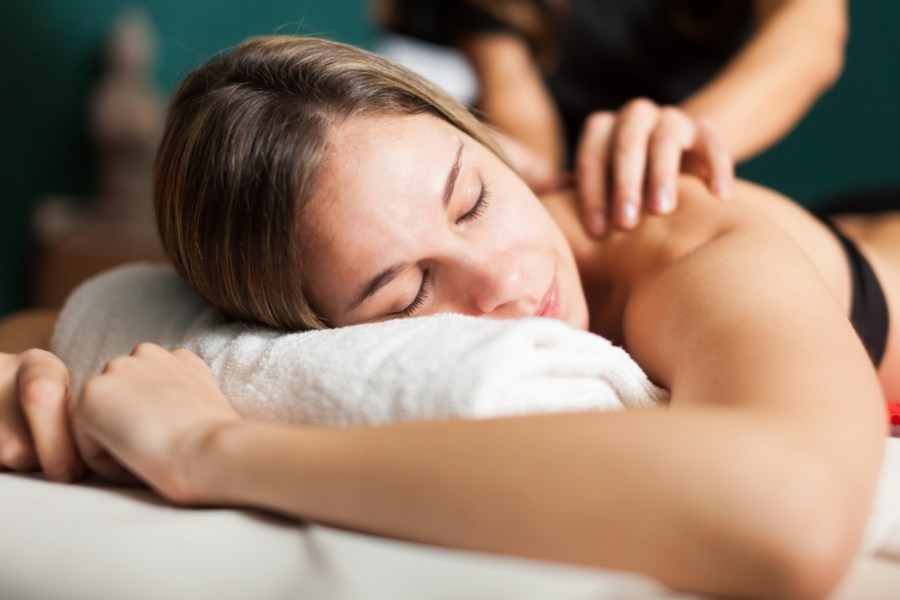
Which is where massage comes in. Helping to calm the nervous system, lymphatic drainage can also help reduce stress and encourage better rest – and when we manage our sleep patterns, stress and recovery routine better, we can offer further support for our immune system during the winter months.
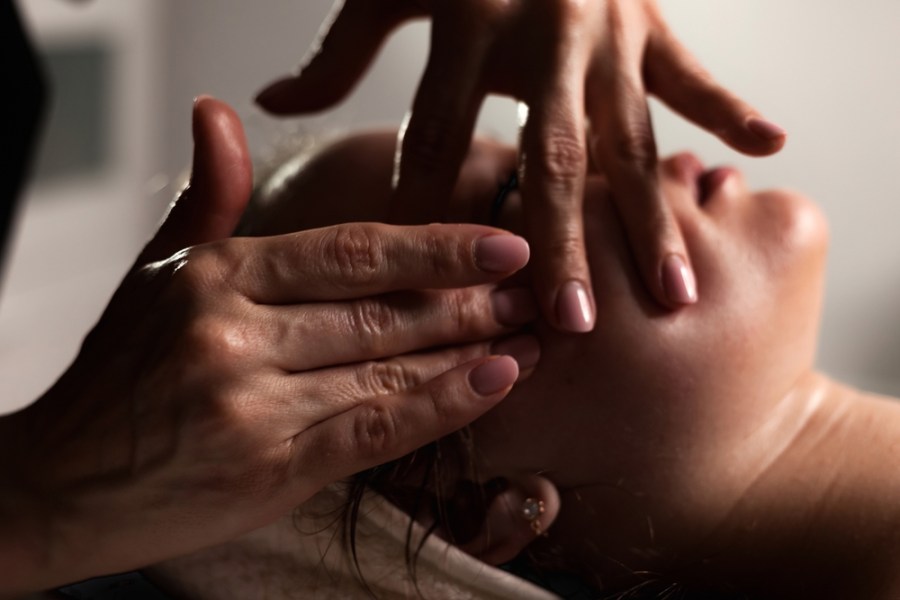
“Facial lymphatic drainage can also be a wonderful addition during the colder months,” she adds. “With seasonal colds, sinus problems and rhinitis, we can experience that uncomfortable feeling of pressure and congestion around the face. Facial massage can help with puffiness and, for some people, bring a welcome feeling of relief around those areas. It’s such a lovely way to feel refreshed and cared for during winter.”
And with darker days and colder nights fast approaching, our emotional wellbeing and energy is also affected – with many of us experiencing seasonal low mood, tiredness and lack of motivation.
“That’s another reason massage becomes so special during this season,” adds Deborah. “Sometimes that human touch, that warmth and that feeling of being cared for can make such a difference to your day.”
“It’s not just about the lymphatic system itself,” she adds. “It’s about making time for your body to relax, supporting healthy habits, managing stress and giving yourself the rest and attention you need during a season that can be particularly demanding. Winter is a beautiful invitation to slow down, recharge and take care of ourselves in a more intentional way.”
Don’t save it for a special occasion
With more energy, better sleep, and immense body confidence on the cards, why restrict yourself to a special occasion? Deborah says that you shouldn’t – and instead of saving it, why not add it to your regular beauty routine?
“Making lymphatic drainage part of your routine means giving yourself more opportunities to enjoy those benefits,” she says. “Less fluid retention, smoother-looking skin, support for your lymphatic system and its natural waste-clearing processes, greater comfort with digestion and a chance to properly unwind.”
And it can fit into your lifestyle in so many ways too. Deborah suggests you could squeeze it in after Pilates or the gym, before a party or a holiday, around a long flight, or during a particularly stressful week for maximum benefits – or simply because you feel like doing something good for yourself! “We understand the importance of consistency in so many areas of our lives, so why should lymphatic drainage be any different?” she says.
And it can also be beneficial for women from all walks of life – no matter your age or lifestyle. “We see women at every stage of life,” she says. “Younger clients who already understand the value of looking after themselves, women navigating perimenopause and menopause, and regular clients who tell us how much they appreciate having that time for themselves, especially when life gets busy.”
“Women already face so much pressure to look a certain way and manage everything around them. Looking after ourselves shouldn’t be another obligation,” she adds. “It should be something we enjoy, something that makes us feel good and becomes a natural part of our lifestyle.”
Deborah Marchi is a leading massage Studios & Spa located in Battersea Reach and Battersea Power Station, offering Brazilian-inspired bodywork and the renowned Renata França Method. With treatments to support circulation, reduce bloating, relieve tension and promote a deep sense of wellbeing, they aim to create an experience focused on real results, expert technique and restorative care. To find out more or to book an appointment visit deborahmarchi.co.uk.