

Suffering from migraines? Our three wellness experts share their tips for tackling painful headaches with nutrition, exercise and lifestyle.
WORDS: Pauline Cox, Kate Rowe-Ham and Suzy Reading. Images: Shutterstock.
Pauline Cox is a functional nutritionist. Her latest book is Hungry Woman: Eating For Good Health, Happiness + Hormones. She runs health food store and café Sow and Arrow near Bristol (sowandarrow.com). Follow her at instagram.com/paulinejcox.
There are different types of severe headaches, including migraines, and you can reduce their frequency and severity with dietary tweaks and targeted supplements. Most migraine sufferers are women. In fact, research shows that women are up to three times more likely to experience these excruciating headaches than men. A significant part of this may be hormonal. For instance, many women experience hormonal headaches at the start of their menstrual cycle, when oestrogen drops to its lowest point.
This same oestrogen drop in perimenopause and menopause is also why headaches tend to increase during these life stages. Migraines can feel like an out-of-body experience, an overwhelming, pulsating pain deep inside the brain, often accompanied by nausea, vomiting, or photophobia (painful light sensitivity). These headaches can last from hours to days, and common triggers include alcohol, caffeine, certain foods, poor sleep, stress, genetics, and hormonal shifts.

Migraine or not?
But not all severe headaches are migraines. There are other types of headaches including:
Tension headaches: The most common type, often described as a tight band or “halo” squeezing both sides of the head. The pain can radiate to the jaw, neck, or shoulders due to muscular tension.
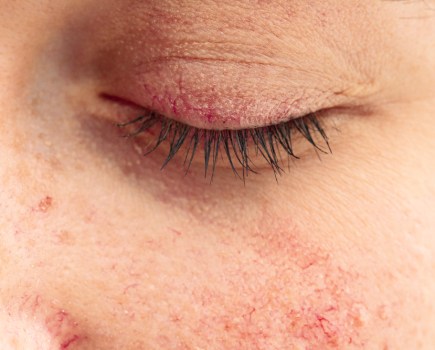
Cluster headaches: Intense pain that’s usually focused behind or around one eye, often with symptoms like eye watering, droopy eyelid, and nasal discomfort. This type is linked to inflammation of the trigeminal nerve.
Hormonal headaches: Typically tied to the menstrual cycle, perimenopause or menopause, when oestrogen levels drop sharply.
What causes them?
Many of these headaches have an inflammatory origin. The jaw, teeth, gut, or even tightness in the meningeal fascia (the membranes surrounding the brain and spinal cord) can all contribute. Because your brain is so well-connected to the rest of your body via nerves and blood vessels, inflammation in one area often leads to head pain elsewhere. There are natural ways to soothe headaches and migraines.
About 70 per cent of all severe tension headaches and migraines can be reduced significantly by increasing omega-3 fatty acids and lowering omega-6s. Good sources of omega-3 include: sardines, salmon, mackerel, flaxseeds, chia seeds, pasture-raised eggs, and high-quality omega-3 supplementation such as British Grown, plant-based Regenerative Omegas (£29.99, sowandarrow.com). Reducing inflammatory omega-6-rich oils, such as vegetable oils (soybean, corn, rapeseed), margarine, fried foods, processed snacks, and conventional mayonnaise, will help too.
Food fixes
Adding anti-inflammatory nutrients, including curcumin (from turmeric), ginger and magnesium can help lower inflammation, support muscle relaxation, and enhance restorative sleep, which can all help reduce headache triggers. It’s also important to watch your histamine levels. Histamine can trigger migraines and is often elevated during perimenopause due to oestrogen fluctuations.
Foods high in histamine include: fermented foods, blue cheese, processed meats, legumes, aubergines, avocados, and even some alcohol. Foods rich in an antihistamine called quercetin include: capers, red onion, nettle tea and apples. A high-quality quercetin supplement can also be effective in reducing histamine levels.
Low vitamin D has been linked to tension headaches and even teeth grinding at night, which increases jaw tension. Correcting vitamin D deficiency can reduce headache frequency, especially in those with chronic tightness in the face or neck.
Kate says…
Kate Rowe-Ham is a PT specialising in helping midlife women get strong and feel good. She’s the founder of app Owning Your Menopause (owningyourmenopause.com) and a patron of the Menopause Mandate. Follow her at instagram.com/katerh_fitness.
Migraines can be debilitating, affecting everything from work to family life. While medication has its place, many people are now looking for natural ways to prevent and manage migraines, and one powerful tool is regular exercise.
Like most ailments, you might be hesitant to move when migraines strike, but studies show that consistent, gentle activity can reduce the frequency, duration, and intensity of attacks. Exercise helps by releasing feel-good endorphins, lowering stress, balancing hormones, and improving sleep, all key factors in migraine management. The goal isn’t to push through pain but to create a routine that supports your nervous system.
Low- to moderate-intensity exercise is best, especially when starting:
● Walking
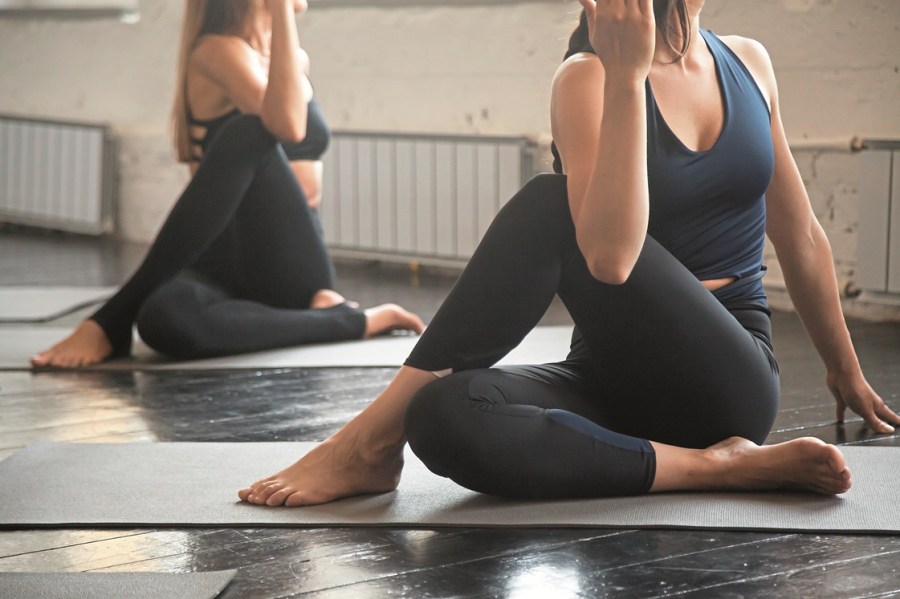
● Gentle yoga
● Swimming
● Strength training using bodyweight or light resistance
These ways of movement are effective without overloading the body, which can cause more stress, which may trigger or exacerbate your headaches. Exercise can sometimes be a trigger, particularly when done too intensely or without preparation.
Try to prevent the migraine from starting in the first place by:
● Eating a balanced snack before your workout
● Staying hydrated
● Avoiding intense heat or bright lights
● Tracking your cycle if your migraines are hormonal
Aim for short sessions, 10-20 minutes, and build gradually. The focus should be on consistency, not intensity. Even a daily walk or short yoga flow can make a big difference.
If you feel a migraine coming on, skip the workout, rehydrate and rest. On days when you’re migraine-free, sticking to your movement routine may help prevent future attacks by regulating hormones and reducing tension. Migraines are complex, but lifestyle plays a huge role in managing them. Exercise, when done mindfully, is one of the most effective natural strategies available.
It supports not only your head, but your whole body, reducing stress, stabilising mood, and building long-term resilience. Start gently, listen to your body, and move in a way that feels good. Over time, you’ll find that exercise can become a form of powerful, preventative self-care.

Suzy says…
Suzy Reading is a chartered psychologist, yoga teacher and author of Sit To Get Fit. Her coaching focuses on helping people develop healthy movement, rest and sleep habits, and fostering a more compassionate relationship with their bodies. Find her at suzyreading.co.uk and at instagram.com/suzyreading.
There are many different potential triggers for migraines, and we know that physical and emotional stress, and sleep disturbances can play a role. Modern life is so full of stimulation, screens and sensory demands, so carving regular time to refresh can be an effective way to manage migraines naturally, not only facilitating stress relief but deepening a connection with yourself so you can better understand what causes your migraines.
One of the most effective ways to manage your stress levels is to dedicate regular time to being still, so that you can relax and rest your senses. In as little as five minutes a day, give yourself the opportunity to “flop and drop”.
You can practise this seated in a chair, reclining on a sofa, or if you like, bring yourself down to the floor and lie with outstretched arms and legs. Close your eyes and let the outer world drop away, becoming alive to what’s happening within you.
To deepen the effects of sensory rest, consider draping an eye pillow over your eyes. Soften any physical tension you find, and if it’s challenging to release it in stillness, try a “squeeze and release” exercise to pave the way for greater relaxation.
For example, if there is tension in your shoulders or neck, consciously engage those areas of your body by shrugging your shoulders up to your ears as you breathe in, and as you exhale, let it all go with a sigh. Physical exertion can be a much more effective gateway to relaxation than just trying to release it in stillness. Scan your body and take whatever movements you need to create a feeling of peace and ease, and then give yourself time to replenish in stillness – nothing required of you.
If you need something to anchor your mind on, focus your attention on the sensation of your breathing or silently repeat a mantra such as ‘I soften into this moment’. Seek out The Little Box of Self-Care – my card deck with 50 practices to soothe body and mind (£14.99, amazon.co.uk) – for more affirmations and restorative practices so you can bring variety to your rest routine.
Shrug it off
If you don’t have time to lie down and rest, the “shrug and sigh” exercise can be a useful way to release stress right in the midst of your busy day. Either the seated or lying down version provides a salient opportunity to check in with yourself and your needs.
If you couple this with journaling about your experiences and how you are feeling, it will also help you identify your own triggers. I hope you notice too that as you become more skilled in the art of relaxation, it will improve your ability to get to sleep and get back to sleep, and that alone can help you naturally better manage your migraines.