

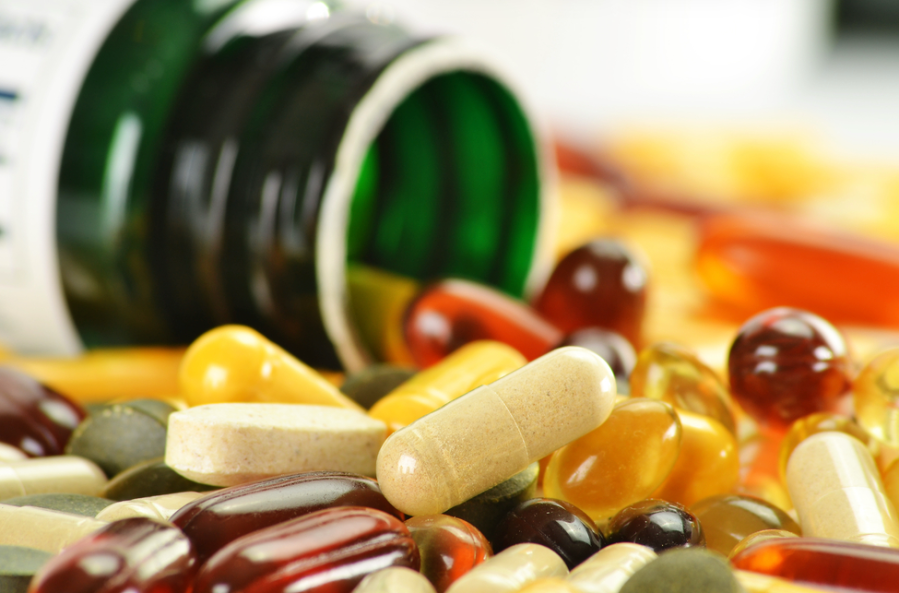
From creatine and protein to magnesium, vitamin D and iron, a registered nutritionist explains when to take your supplements to maximise absorption, support recovery and get the best results
Many people spend money on supplements without realising that when you take them can be just as important as what you take. While consistency is the biggest factor in seeing benefits, pairing certain supplements with the right foods or taking them at the right time of day can help maximise absorption and effectiveness. Maria Ribeiro, Registered Nutritionist at Innermost, explains the best times to take some of the most common supplements.
Iron – first thing in the morning (if tolerated)
Iron is generally best taken on an empty stomach, ideally first thing in the morning, as food can reduce how much your body absorbs. Pairing it with a source of vitamin C, such as a small glass of orange juice or kiwi fruit, can improve absorption.
Try to avoid taking iron alongside tea, coffee, calcium supplements or dairy products, as these can inhibit absorption. If iron causes stomach discomfort, it’s absolutely fine to take it with a small amount of food – it’s more important to take it consistently than to stop taking it altogether.
Multivitamins – with breakfast or lunch
For most people, breakfast or lunch is the ideal time to take a multivitamin because many contain fat-soluble vitamins like A, D, E and K, which are better absorbed alongside a meal containing some healthy fats.
Taking a multivitamin with food may also reduce the chance of stomach irritation compared with taking it on an empty stomach.

Vitamin D – with a meal containing healthy fats
Vitamin D is fat-soluble, so taking it with a meal that contains healthy fats – such as eggs, avocado, olive oil or nuts—can improve absorption.
This is particularly important during the autumn and winter months in the UK, when sunlight exposure is lower and supplementation is commonly recommended.
Protein – after exercise or whenever it helps you meet your daily needs
While the ‘anabolic window’ isn’t as narrow as once believed, having a high-quality protein source after exercise can help support muscle repair and recovery.
More importantly, aim to spread your protein intake evenly throughout the day. A protein shake such as The Lean Protein can also be a convenient option at breakfast or between meals if you’re struggling to meet your daily protein requirements through food alone.
Creatine – whenever you’ll remember to take it
One of the biggest misconceptions about creatine is that it has to be taken at a specific time. In reality, consistency is far more important than timing.
Taking around 3-5g of creatine monohydrate such as The Power Booster daily helps saturate your muscles over time, whether that’s with breakfast, after training or later in the day. Some people prefer taking it with a meal or post-workout simply because it’s easier to build into their routine.
Electrolytes – before, during or after exercise depending on your need
Electrolytes can be particularly useful during prolonged exercise, intense training sessions, hot weather or whenever you’ve lost a significant amount of fluid through sweating.
Having electrolytes before or during endurance exercise may help maintain hydration, while taking them afterwards can support fluid replacement and recovery. They’re not just for elite athletes – anyone exercising intensely or spending long periods in the heat may benefit.
Magnesium – in the evening
Many people choose to take magnesium in the evening because it forms part of a relaxing bedtime routine, although the evidence that timing itself improves sleep is still developing.
If you’re taking magnesium consistently, the most important thing is choosing a time you’ll remember. Some forms, such as magnesium glycinate, are often well tolerated and are commonly chosen as part of an evening routine.
Supplements should complement a balanced diet rather than replace one. While timing can improve absorption for some nutrients, consistency is ultimately what delivers results. Choosing evidence-based supplements, taking them correctly and using them alongside a healthy diet and lifestyle will have the biggest impact on long-term health
Maria Ribeiro is a registered nutritionist at Innermost