
Are K‑beauty’s viral ingredients really worth the hype? We asked an expert to break down the more surprising formulas behind the global craze — and whether they actually deliver results.
Words: Amy Mica Marsden. Images: Shutterstock.
Korean skincare has become thoroughly embedded in beauty aisles in recent years, and it’s not giving up its spot any time soon. In fact, the global K-Beauty market size is on track to exceed $252.4 billion by 2033, growing 10% year on year.
It’s loved globally for its skin-first methods, multi-step routines, and innovative ingredients. But while many of these ingredients have been valued for their beauty-enhancing properties for years – or even centuries – their availability on Western shelves had been limited until recently.
Surprising ingredients
‘K-Beauty has introduced consumers to a number of unusual skincare ingredients, but while some have solid scientific rationale behind them, others have stronger marketing than evidence,’ says Dr Anastasia Koles, Aesthetic Nurse and founder of ALTA Medi Clinic London.
‘The key is understanding what each ingredient is actually designed to do and choosing it based on your skin concern rather than simply following trends.’
So, what ingredient is best for what skin concern, and how should we use them? Dr Anastasia gave us the rundown.
PDRN (Polydeoxyribonucleotide)
Originally developed in the 1980s in Italy to treat radiodermatitis and other stubborn wounds, PDRN (made from salmon sperm DNA) entered Korean aesthetician clinics in the 2000s.
‘PDRN is probably one of the most exciting ingredients to emerge from Korean regenerative medicine,’ says Dr Anastasia.
‘[It] consists of DNA fragments that are thought to support tissue repair, reduce inflammation and encourage skin regeneration. Injectable PDRN treatments have the strongest body of evidence, where studies have demonstrated improvements in skin elasticity, hydration, fine lines and overall skin quality.’
However, she advises that evidence for topical use (absorbing through skin rather than via injection) is not yet as ‘robust’ and may not be as effective.
Snail Mucin
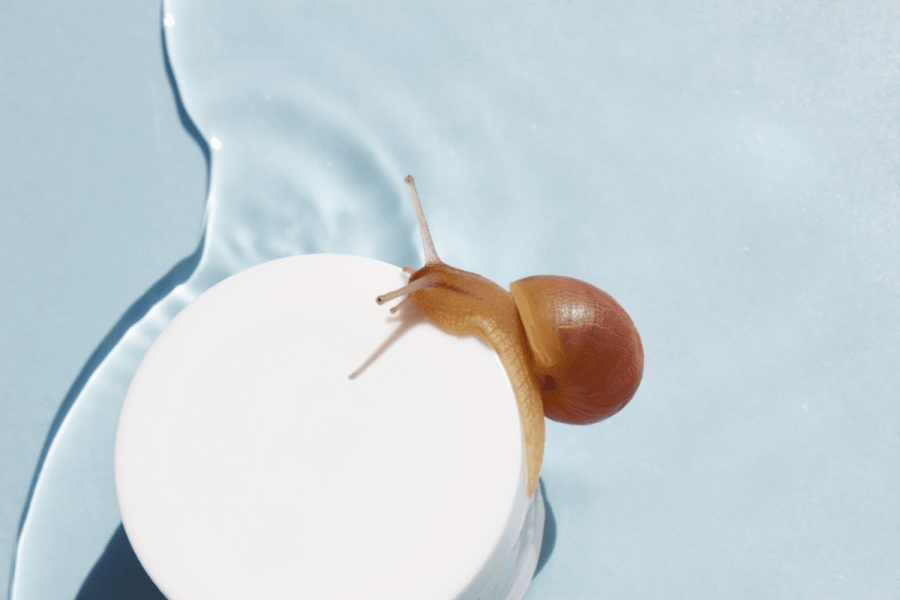
Ancient civilisations have been harvesting this snail by-product for centuries. Originally used as a topical treatment for skin irritations such as insect bites, inflammation and burns, mucin has become widely associated with Korea’s beauty movement and ‘glass skin’ looks since the early 2000s.
‘It contains naturally occurring glycoproteins, hyaluronic acid, peptides and antioxidants that can help improve hydration and support the skin barrier,’ says Dr Anastasia.
‘While it’s unlikely to dramatically transform the skin on its own, it’s an excellent ingredient for people with dehydrated, irritated or compromised skin who are looking to improve overall skin health.’
Placenta extract
Another ingredient with ancient origins, placenta has been used in traditional Chinese medicine and ancient Egyptian and Roman civilisations as a ‘rejuvenating tonic’ – and yes, it was once derived from humans.
However, modern formulas typically use animal or plant placenta instead, with many vegan options available on the market.
Regardless, Dr Anastasia isn’t necessarily sold on the product. ‘Placenta-derived skincare has been popular in parts of Asia for many years because it’s rich in proteins, amino acids and growth factors,’ she explains.
‘While laboratory research suggests these compounds may support skin repair and hydration, the evidence for significant anti-ageing benefits in topical skincare remains limited.’
She also notes that different products use different formulations, so results may vary considerably.
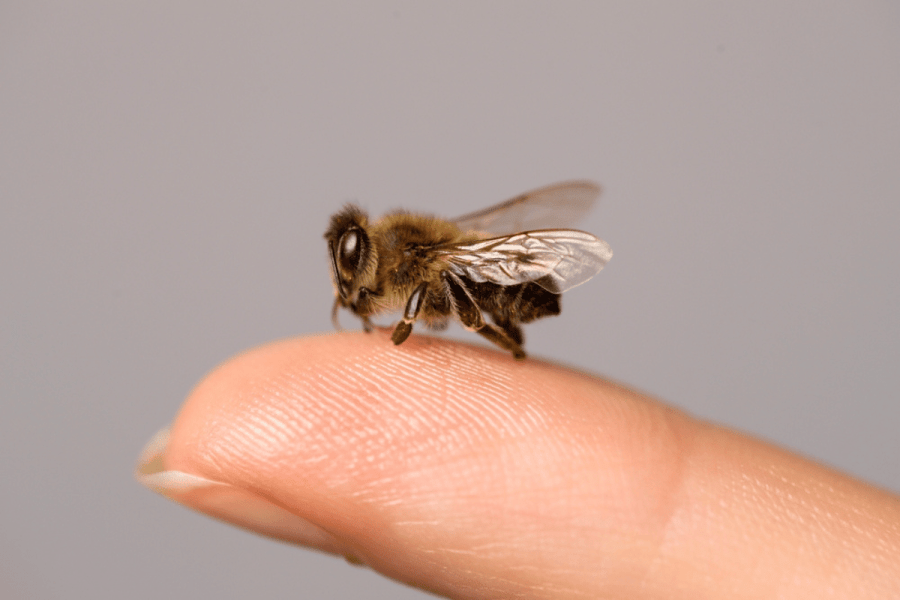
Bee Venom
Apitherapy, or the idea of using bee by-products in medicine and beauty, has been around for centuries in Eastern medicine. Like many ingredients on this list, it was adopted into Korean skincare practices in the early 2000s, when researchers began to isolate the active compound (apitoxin) for topical use.
‘It appears to work by creating a mild inflammatory response that may stimulate collagen production over time,’ says Dr Anastasia.
However, similar to placenta, Dr Anastasia is somewhat dubious about its efficacy; ‘Some small studies have shown improvements in fine lines and acne, but the evidence remains relatively limited.’
Mugwort
Grown worldwide, the mugwort plant has significant importance in ancient Korean folklore, where it is said to have once transformed a bear into a woman.
Mugwort has been used in traditional Korean medicine (known as ‘Hanyak’) ever since, including in healing baths, teas, and as a topical compress.
But what is the modern application? Dr Anastasia explains, ‘It has anti-inflammatory and antioxidant properties, making it particularly useful for sensitive, reactive or redness-prone skin. It’s one of the ingredients I would recommend for patients whose primary concern is irritation rather than wrinkles.’
So when you’re next shopping in the beauty aisle for Korean skincare products, keep in mind what each ingredient can do for your skin – though it may be more a case of trial-and-error, says Dr Anastasia.
‘Ultimately, no single ingredient is right for everyone,’ she notes. ‘Someone concerned about skin regeneration and ageing may benefit most from PDRN-based treatments, whereas someone with sensitive skin may be better suited to mugwort or barrier-supporting ingredients like snail mucin.’
‘The biggest takeaway is not that one ingredient is a miracle cure, but that the future of skincare is becoming increasingly regenerative, with a focus on improving skin function and resilience rather than simply treating surface-level concerns.’