

Oily, dry, sensitive or acne-prone? Skincare expert Dr Anna Andrienko explains how to choose the best SPF for your skin, why SPF 50 is often worth it and the sunscreen mistakes that leave you exposed
How do you choose the right sunscreen for your skin type?
One of the most common mistakes I see is people choosing sunscreen based on trends rather than what suits their skin. The best sunscreen is ultimately the one you’ll wear consistently every day, so texture and compatibility with your skin type matter just as much as SPF.
What should people with oily or acne-prone skin look for?
If you have oily or acne-prone skin, look for non-comedogenic formulas that contain ingredients such as niacinamide or silica, which can help absorb excess oil and create a more matte finish. Lightweight fluid sunscreens are often a better choice than heavier creams. Those prone to breakouts may also prefer to avoid richer formulations that contain coconut oil, cocoa butter or other highly emollient ingredients that can leave the skin feeling greasy.
What about dry skin?
Those with dry skin generally benefit from more hydrating formulations containing ingredients such as hyaluronic acid, glycerin or ceramides. Cream-based sunscreens can help lock in moisture while also providing UV protection, making them a good option for skin that feels tight or dehydrated.
What is best for sensitive skin?
For sensitive skin, I often recommend mineral sunscreens containing zinc oxide or titanium dioxide. These ingredients sit on the skin’s surface and are generally less likely to cause irritation. Fragrance-free formulas are also a sensible choice for anyone prone to redness or sensitivity.
For extra sensitive skin types, I would stick to fragrance free and go for mineral SPF’s with Zinc and titanium dioxide to help block out UV whilst being gentle on the skin. Again look for formulations with hyaluronic acid and ceramides to hydrate and if you’re looking to deflect those free radicals, choose formulations with vitamin E in.”
Do people with darker skin tones need sunscreen?
Absolutely. While darker skin contains more melanin, which offers some natural protection against UV damage, it does not prevent skin cancer, hyperpigmentation or premature ageing. Daily sunscreen use is important for all skin tones.
What SPF should people use?
For everyday use, I recommend choosing a broad-spectrum, a sunscreen that protects your skin from both UVA and UVB rays, with at least SPF 30, although SPF 50 offers greater protection and is often my preference, particularly during summer or when spending extended time outdoors.
Is there one rule everyone should follow?
The most important thing is consistency. A sunscreen that feels comfortable on your skin and fits easily into your routine is far more valuable than an expensive product that sits unused in a drawer. Daily application and regular reapplication make the biggest difference when it comes to protecting long-term skin health and most importantly, skin cancer.
How much product do I need to apply?
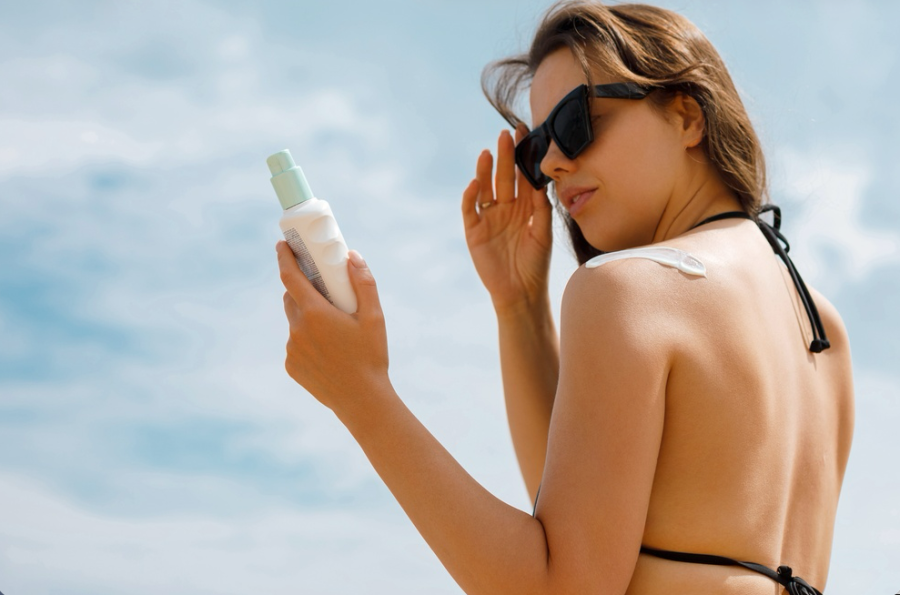
Adult’s lotion, fluid or cream: On each region of the body, apply a thick line of sunscreen stretching from the tip of your middle finger down to your wrist.
Adult’s spray: Spray 15 times on each area of the body. Shake well before using and apply generously until an even sheen appears on the skin.
When should you apply sunscreen?
Apply sun cream 30 minutes before you go outside, and allow the ingredients to fully bind to the skin before you get dressed. Getting dressed immediately after can mean the product rubs off on your clothing.
How often should you reapply sunscreen?
Sunscreen should be reapplied every two hours, or more frequently after swimming, towelling off or heavy perspiration to maintain the original protection.
Dr Anna Andrienko is a dermatologist and aesthetic doctor at Dr Ducu Clinics in London.