
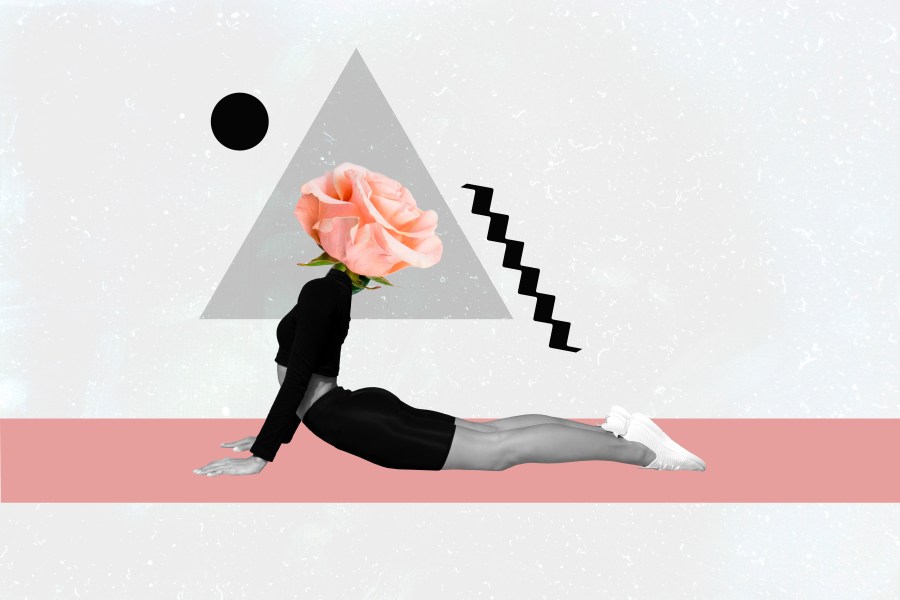
No two workouts are the same – and thanks to our hormones, neither is our day-to-day. So why not train with your monthlies in mind? When it comes to getting the most from your workouts, learn to listen to what your body needs with female-specific training
Words: Amy Dowrick | Images: Shutterstock
Female-specific training works to align your workouts and your fitness programme with your hormones, working around your cycle each month and prioritising exercise for perimenopause and menopause. But why should you train with your cycle in mind?
Whether you’re struggling with an energy lull or looking for a menopause fitness guide, I discover the tips to give you that monthly push.
Menstrual cycle training
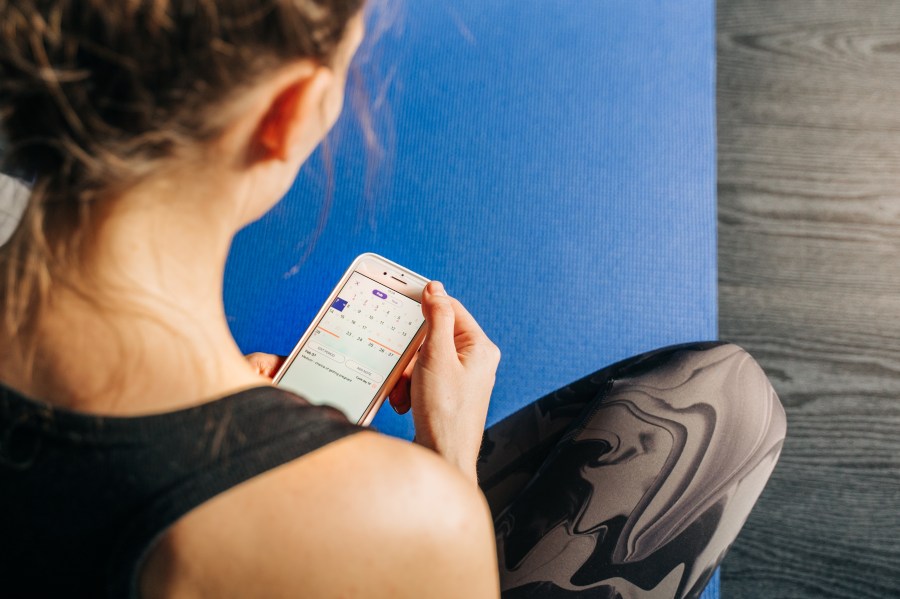
Our menstrual cycle is never a one-way street. With different stages throughout the month (follicular, luteal and premenstrual), each play their part in affecting our energy levels, bodyweight and stiffness. So how are we meant to build a fitness plan around it?
Follicular
Occurring on day one of your period, while the follicular phase typically starts with low energy due to lower oestrogen and progesterone levels, you might feel your energy start to rise as you approach the end of it.
“This is a great time to focus on increasing performance, whether speed, endurance or strength,” says nutritionist Christine Bailey. “The rise of oestrogen towards the end of this phase supports muscle growth and repair, so it’s a good time to increase intensity.”
As you begin to feel more energised throughout, the increase in oestrogen and growth hormone (which has a tissue-building effect) makes it the perfect time to add more weights to your programme to help build muscle.
Luteal
“For many women, this phase of the cycle can be the hardest when it comes to training,” says Christine. “Training may feel harder as your core temperature increases and fatigue sets in quicker, and your mood and motivation may be lower as oestrogen declines.”
Christine suggests focusing more on restorative exercises during this time, such as Pilates, yoga and lower-intensity steady state training that requires less energy.
“Build in some rest days, too, and reduce the weights in strength-training sessions,” she adds.
Premenstrual
During this phase both oestrogen and progesterone gradually drop to their lowest levels, so while feeling less energised, you may also start to experience premenstrual symptoms such as cramping and stiffness.
Studies suggest that strength may only be at 60 per cent of its usual capacity at this time, so while Christine recommends reducing the weights, she also suggests increasing the reps.
“This is a good time to add in yoga or Pilates, which may reduce cramps and pain,” she says. “As oestrogen supports collagen production, lower levels may increase the risk of joint pain and stiffness, so ensure sufficient stretching in your routine.”
“Remember that exercise helps boost endorphins and serotonin so, while you may not feel like it, getting out and doing some exercise could benefit your mood and any premenstrual symptoms.”
Christine Bailey is an award-winning Registered Nutritionist (RNutr) and expert in women’s health and functional medicine. Follow her on Instagram for daily updates @christinembailey.
Here’s how taking your workouts outside can improve not just your fitness but your mental health too
Perimenopause training
Perimenopause describes the transition period leading up to the menopause and can affect women as young as 30 – so training for support is worth looking at sooner than you might think.
“When it comes to exercising during the perimenopause, it’s important to understand the hormonal shifts,” says PT Natalie Shanahan, who says that Estradiol (E2) – the hormone essential for muscle growth and repair – decreases during this time.
“Without maintenance, we lose about eight per cent each decade after age 30, but this decline accelerates during the perimenopause,” she says. “With less muscle, women have less energy for training and burn fewer calories at rest, which can, in turn, result in the dreaded middle-aged spread.”
Natalie suggests turning up the intensity when hitting the perimenopausal years.
“Lifting weights that are heavy enough to fatigue the muscle after only 3-8 repetitions will build strength and increase metabolic rate, even in the absence of E2,” she adds. “Focus on compound exercises, as these use more than one muscle group at a time – squats, deadlifts, bench presses and rows are great examples.”
And when you combine these workouts with adequate rest, good sleep and enough protein, you will reap the benefits during this transition period (without looking like Arnie in the process).
Natalie Shanahan is a fitness and nutrition guru who offers one-on-one coaching and immersive fitness retreats around the world. Visit rnpt.co.uk for more information and follow her on Instagram @nataliernpt.
Menopause training
While no menopause journey is a walk in the park, taking the time to work on your fitness can seriously help with symptoms.
“Working out releases feel-good endorphins in the brain, which provide a great mood boost and can help to manage anxiety and stress,” says PT Lucy Gornall.
“Exercise can also help with weight management,” she adds, “The perimenopausal weight gain that can occur as a result of hormonal changes tends to sit around the middle, but keeping activity will help to counteract this as it burns calories and keeps the core muscles strong.”
Strength training
“Strength training burns calories and helps maintain muscle mass, making it perfect for improving fitness during menopause,” says Lucy.
She says to aim for two-to-three resistance-based workouts a week, focusing on the whole body. Some of the exercises can be bodyweight movements, but she suggests adding dumbbells to your squats and lunges, and throwing in some biceps curls, triceps dips, dumbbell deadlifts and dumbbell presses.
Yoga & Pilates
“Holistic exercise is so beneficial for not only helping to maintain core strength, but also for building stability and balance,” she says.
“Core strength is important for every single movement you do, plus these calming activities are another great way to help overcome the feelings of anxiety that are so often associated with the menopause.”
Lucy Gornall is a personal trainer working with supplement and wellbeing brand Healthspan. For daily workout routines and gym tips follow her on Instagram @lucyelizabethgornall.