

Midlife fitness trainer Kate Rowe-Ham found that staying active helped her maintain a sense of calm amid the chaos when her dad was terminally ill.
Words & images: Kate Rowe-Ham.
Even before my dad was diagnosed with pancreatic cancer, exercise was my outlet. It was the thing I turned to when I felt stressed or overwhelmed. It helped manage many of my perimenopause symptoms, too. Moving my body lifted my mood and gave me energy. I knew it was good for me, but I didn’t fully realise just how much I would need it until Dad got sick.
During the 18 months he battled the disease, and after he died, exercise became so much more. It was my way of coping, of letting out some of the pain, and of holding onto myself when everything else felt uncertain. Strength training helped me feel capable at a time when I often felt helpless.
Some days, the sadness made it hard to even start, but once I was there, lifting weights gave me a sense of focus. I couldn’t change what was happening to my dad, but I could show up, pick up the weights, and get through each set. That gave me a sense of calm and purpose when everything else felt beyond my control.
It reminded me that I could still move forward, even when life felt unbearably hard. I remember lifting the morning he died. I didn’t know it would be that day, but I didn’t want to leave him, as we knew his time was imminent. However, I needed to clear my head, and walking felt like it would take me too far from his side.
I grabbed my dumbbells and, for 20 minutes, I didn’t think about what was ahead. My mind and body were in sync, and I experienced a moment of calm.
Coastal Calm
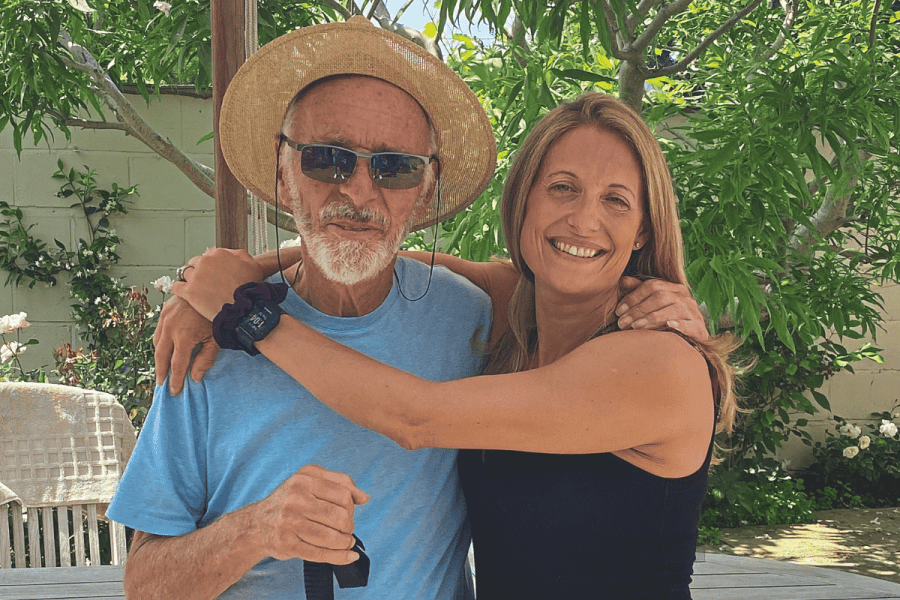
But walking was another huge support. Dad lived by the sea, and when I stayed with him to help care for him, I’d get my steps in along the coast. Those walks gave me breathing space.
Caring for someone you love can feel like you’re constantly holding your breath, waiting for the next bit of news, the next change. Walking allowed me to let go of some of that.
Sometimes I’d walk slowly, taking in the sea air and giving myself a moment to breathe. Other times, I’d pick up the pace, just to get the restlessness out of my system. Being by the water and moving my body helped me feel a bit steadier when everything else felt uncertain. Running is something I have always enjoyed as my mind tends to race, but in a good way.
It was where I let out all the feelings that had nowhere else to go. Sometimes I ran feeling angry, and other times I was just weighed down with sadness. Either way, running helped lift some of what I was carrying. By the end of a run, my head usually felt a bit clearer, and my breathing was easier. It reminded me that I could keep going, even on the harder days.
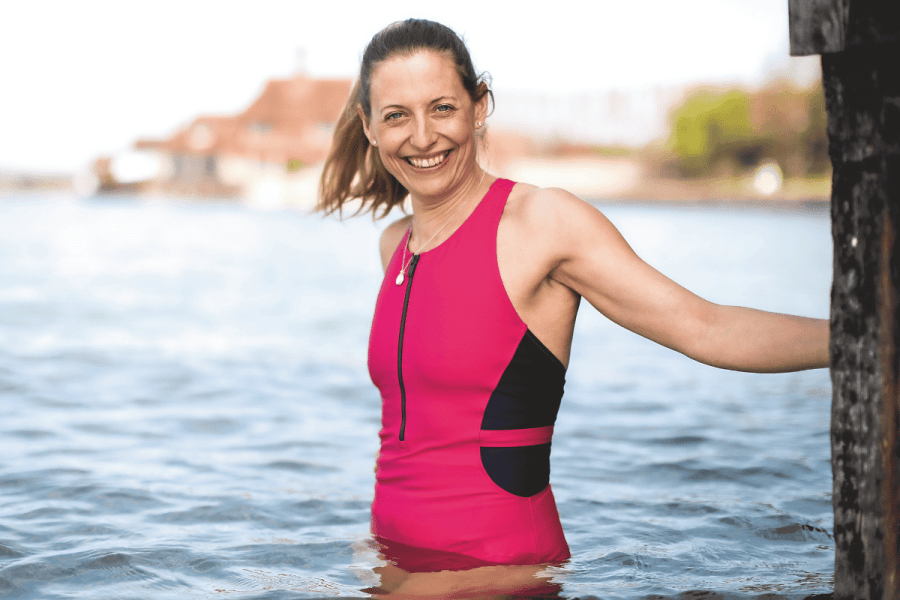
Cold water also became part of my routine. During Dad’s chemotherapy, which happened in the middle of COVID, I couldn’t go in with him. I’d drop him off, head to the sea, and go for a dip before picking him up again. That routine, of dropping him off, swimming, breathing, and going back, kept me steady during one of the hardest times of my life.
Grief doesn’t go away. It changes over time, but it never disappears. What exercise gave me was a way to live alongside it. Moving my body, whether it was lifting weights, walking, running or plunging into the sea, helped me release some of it instead of keeping it all locked inside. Now, every time I walk that coast, I feel closer to my dad.
Every time I run, I release a little more of the sadness. Every time I lift, I remind myself I’m stronger than I think. And every time I step into cold water, I remember that even during hard times, life can still make you feel alive. Exercise helps me manage grief. It helps me carry it, process it, and keep moving forward.
Find out more about Kate and her Owning Your Menopause programme at owningyourmenopause.com. If you are grieving, find out more at thegoodgrieftrust.org.