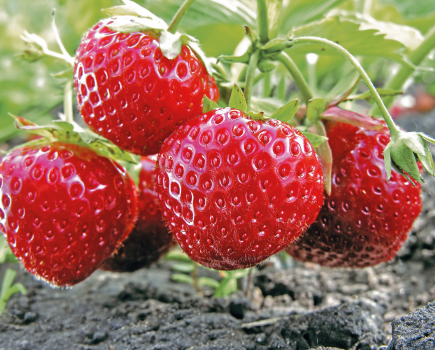


Strawberries are one of the few crops where growing your own doesn’t just feel satisfying – it fundamentally changes what you’re eating. The difference between supermarket fruit and homegrown strawberries is immediate. They have a deeper flavour, softer texture and a more intense aroma that simply doesn’t survive transport or storage.
But this isn’t just about taste. The way strawberries are grown, harvested and handled has a direct impact on their nutritional value. When you grow strawberries at home, you’re not just getting a nicer version of the same fruit – you’re getting something fresher, often more nutrient-dense, and far more likely to be eaten at its best. That combination – better flavour, better texture and better timing – is what makes strawberries such a strong starting point if you’re interested in growing even a small amount of your own food.
Why strawberries are good for you
Strawberries are naturally low in calories but high in fibre, which helps support digestion and contributes to a feeling of fullness. That makes them a useful addition if you’re trying to improve overall diet quality without relying on restriction or complicated meal planning.
They’re also rich in vitamin C, with a portion providing a significant contribution to your daily requirement. Alongside this, strawberries contain a range of antioxidant compounds, particularly anthocyanins, which are responsible for their red colour. These compounds are associated with reduced inflammation, improved cardiovascular health and support for the gut microbiome.
Because strawberries are usually eaten raw, you benefit from these nutrients in their intact form. There’s no cooking process to degrade vitamin content or alter their structure. This makes them one of the simplest ways to add something genuinely beneficial to your diet.
They also have a relatively low glycaemic load compared to sweeter fruits such as grapes or bananas. In practical terms, this means they have a gentler effect on blood sugar levels when eaten as part of a balanced meal. Combined with their fibre content, this makes them a more stable option for everyday snacking, rather than something that leads to a rapid spike and drop in energy.
Their high water content contributes to hydration too, particularly in warmer weather when heavier foods are less appealing. Compared to many other fruits, strawberries offer a lighter, more refreshing way to increase both fluid and micronutrient intake without adding significant calories.
Why growing your own makes a difference
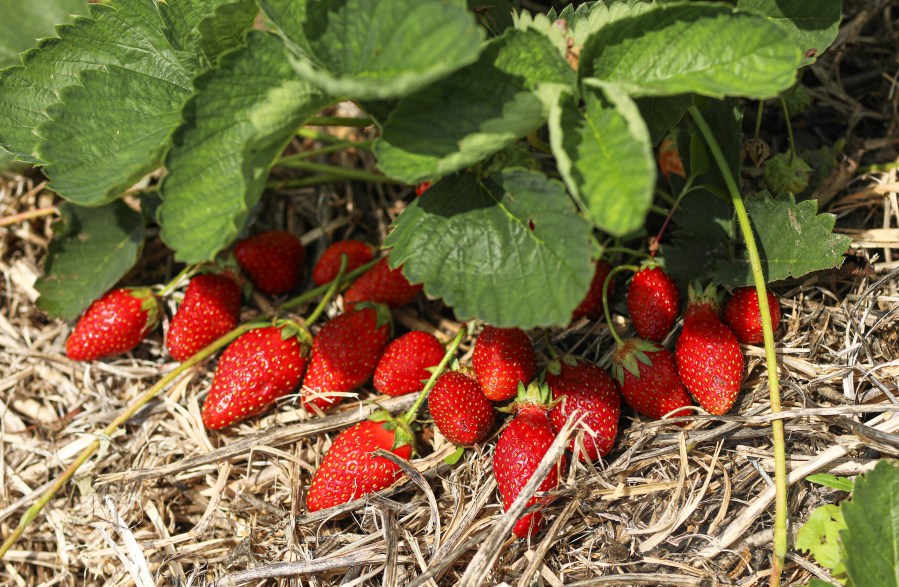
The biggest advantage of growing strawberries at home is that you can let them ripen fully on the plant. Commercial fruit is usually picked early so that it can withstand transport, storage and shelf display. That inevitably limits both flavour development and nutritional potential.
When strawberries are allowed to mature properly, they develop higher sugar levels, more complex aroma compounds and greater concentrations of beneficial plant chemicals. The result is fruit that tastes noticeably sweeter and more satisfying, but it also delivers more of the compounds associated with health benefits.
Freshness also matters more than people often realise. Vitamin C begins to decline after picking, so fruit that is eaten within minutes or hours of harvest will always outperform something that has been stored and transported for several days. That difference isn’t theoretical – it’s built into how quickly these nutrients break down. There’s also a behavioural aspect that’s easy to overlook. When strawberries are growing within reach – on a patio, by a back door or in a small raised bed – they tend to be eaten more frequently and more casually. That visibility turns them into an easy, default snack, often replacing less nutrient-dense options. Over time, that shift in habit can have a meaningful impact, even if each individual decision feels small.
How to grow strawberries at home successfully
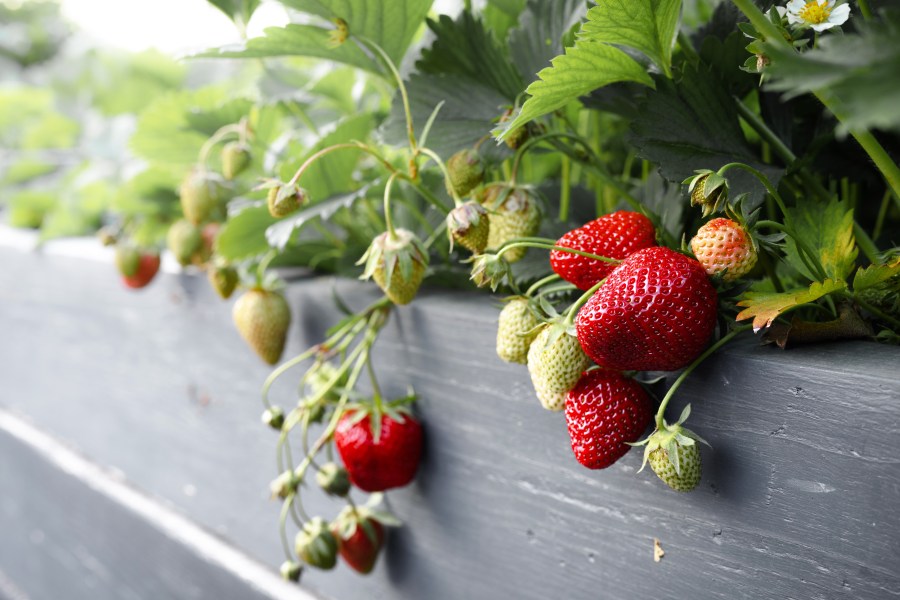
Strawberries are one of the easiest fruits to grow, and they’re particularly well suited to small spaces. Containers, hanging baskets and raised beds all work well, which makes them accessible even if you don’t have a traditional garden.
They need a sunny position – ideally at least six hours of direct sunlight per day. Light levels have a direct effect on both yield and sweetness, so this is one of the most important factors to get right from the start.
Good drainage is essential. In containers, use a free-draining compost and make sure there are adequate drainage holes. In the ground, avoid heavy, waterlogged soil or improve it with organic matter before planting.
Watering needs to be consistent, especially once plants begin to flower and set fruit. Allowing plants to dry out at this stage can reduce fruit size and affect flavour. Aim for steady moisture rather than cycles of drought followed by heavy watering. Feeding also makes a noticeable difference. Once flowering begins, a weekly high-potash feed supports fruit development and improves overall quality. Plants grown in containers will need more frequent feeding than those in the ground, simply because nutrients are used up more quickly.
Managing plants for better fruit
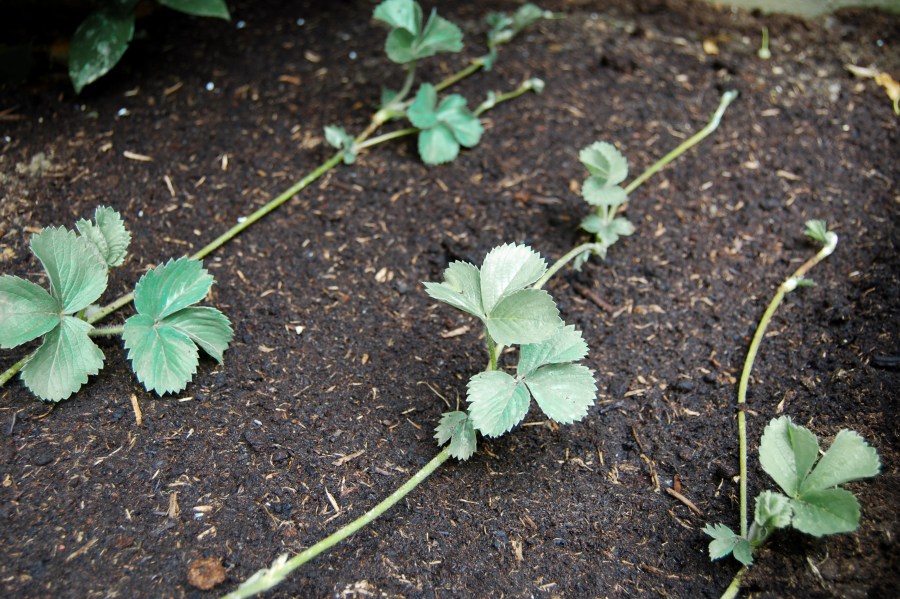
Strawberries naturally produce runners – long stems that form new plants. While this is useful for propagation, leaving all runners in place spreads the plant’s energy too thinly and can reduce fruit size and quality.
Removing most runners allows the plant to focus on producing fewer, better fruits. If you want to increase your stock, you can root a few runners deliberately, but it’s best to do this in a controlled way rather than letting them spread unchecked.
Mulching is another simple but effective technique. Placing straw or similar material beneath the plants helps keep fruit clean, reduces the risk of rot and conserves soil moisture. It also improves airflow around the fruit, which can reduce disease problems in damp conditions.
When and how to harvest
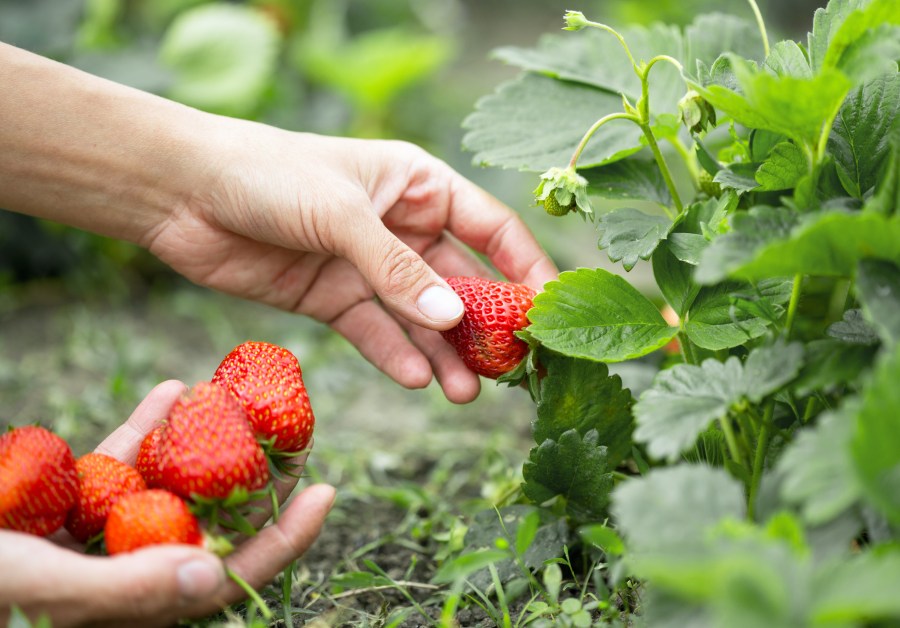
Strawberries do not continue ripening after they’ve been picked, so timing is critical.
Fruit should be picked only when fully red, with no pale or white areas remaining. This is when sugar levels and flavour are at their peak. It can be tempting to harvest early to avoid losses, but waiting even a short time makes a noticeable difference.
Gently twist or snip the fruit with a short piece of stalk attached. This helps reduce damage and can slightly extend storage life.
If birds are a problem, protect plants as soon as fruits begin to turn red. The simplest solution is to cover them with fine mesh or netting, either over a basic frame or secured directly over the plants. It doesn’t need to be elaborate, but it does need to be fitted properly. Keep netting pulled tight and well secured at the edges to prevent birds getting underneath or becoming tangled.
In smaller spaces, individual plants can be protected with mesh covers or by moving containers to a more sheltered spot. Even temporary protection during peak ripening can make a noticeable difference to how much you actually harvest. Netting is far more reliable than visual deterrents – birds quickly get used to anything that doesn’t physically block access.
Storage and keeping quality
Strawberries are best eaten as soon as possible after picking. If you need to store them, keep them dry and unwashed in the fridge. Moisture encourages spoilage, so it’s better to wash them just before eating.
Even under ideal conditions, they tend to keep for only a couple of days. That short shelf life is one reason homegrown fruit is so valuable. It encourages you to eat it fresh, when both flavour and nutrition are at their best.
Freezing is a practical way to deal with surplus. Hull and slice the fruit, then freeze in a single layer before transferring to a container. This prevents clumping and makes it easier to use them in portions later.
Simple ways to eat more strawberries
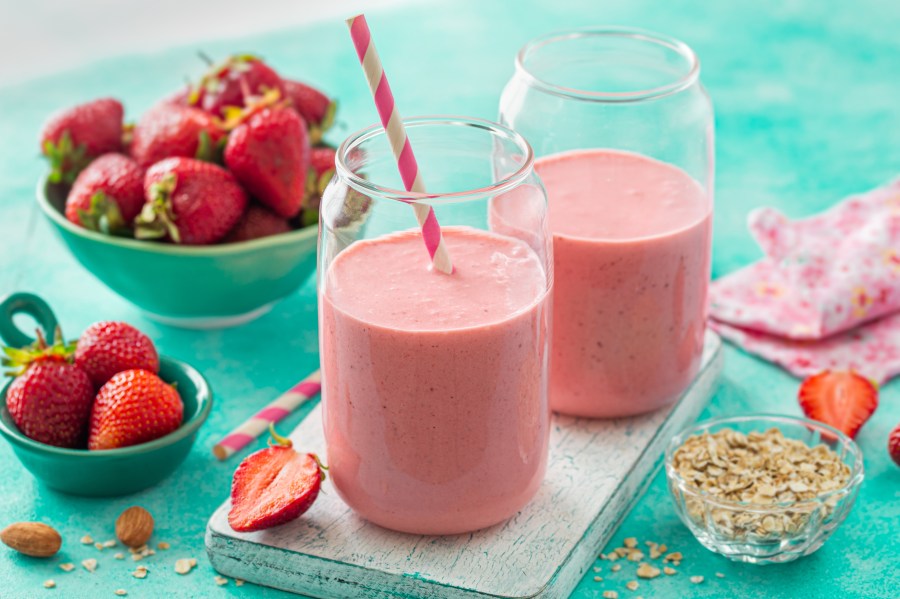
One of the easiest ways to benefit from strawberries is simply to use them more often, without turning them into a project. They work best as part of everyday meals rather than something reserved for occasional treats.
Strawberries with mint and citrus
Toss sliced strawberries with mint and a squeeze of lemon or lime. The acidity lifts the flavour and balances the sweetness.
Strawberries with yogurt and oats
A simple combination that adds fibre, protein and slow-release energy, making it suitable for breakfast or a light meal.
Smoothies
Blend strawberries with milk or yogurt and a small amount of oats for a quick, practical option.
Frozen strawberries
Use straight from frozen in porridge, drinks or desserts to extend the season without waste.
Strawberries with balsamic vinegar
A light drizzle deepens flavour and enhances natural sweetness without adding sugar.
Keeping a ready supply of prepared strawberries in the fridge can make it easier to reach for them as a quick snack, helping turn good intentions into a routine.
The bigger picture
Strawberries are a good example of how small changes in how food is grown and handled can have a meaningful impact. They don’t require specialist skills or large amounts of space, but they do reward attention to detail.
Growing your own gives you control over ripeness, freshness and quality in a way that’s difficult to achieve otherwise. And in the case of strawberries, that control translates directly into something you can see, taste and benefit from – which is why they’re such a worthwhile place to start.