

Growing rhubarb is one of the lowest-effort ways to produce a reliable crop at home, returning year after year with very little fuss. Here’s how to plant it, harvest it, store it and use its naturally low-calorie, high-fibre stems in breakfasts, compotes, yoghurt bowls and simple savoury dishes
Rhubarb is often treated as a pudding ingredient first and a garden crop second, but that undersells it. For a health audience testing the appeal of growing content, it is a near-perfect starting point: easy to plant, reliable once established and useful in the kitchen before many other home-grown crops are ready.
It also has the kind of practical payoff that makes gardening feel worth the effort. Plant a crown well, give it a decent start, and it can crop for years. There is no weekly sowing, no complicated pruning regime and no fussy greenhouse routine. It simply emerges in spring, produces generous stalks, and gives you something sharp, seasonal and useful to cook with.
Growing rhubarb is very beginner-friendly
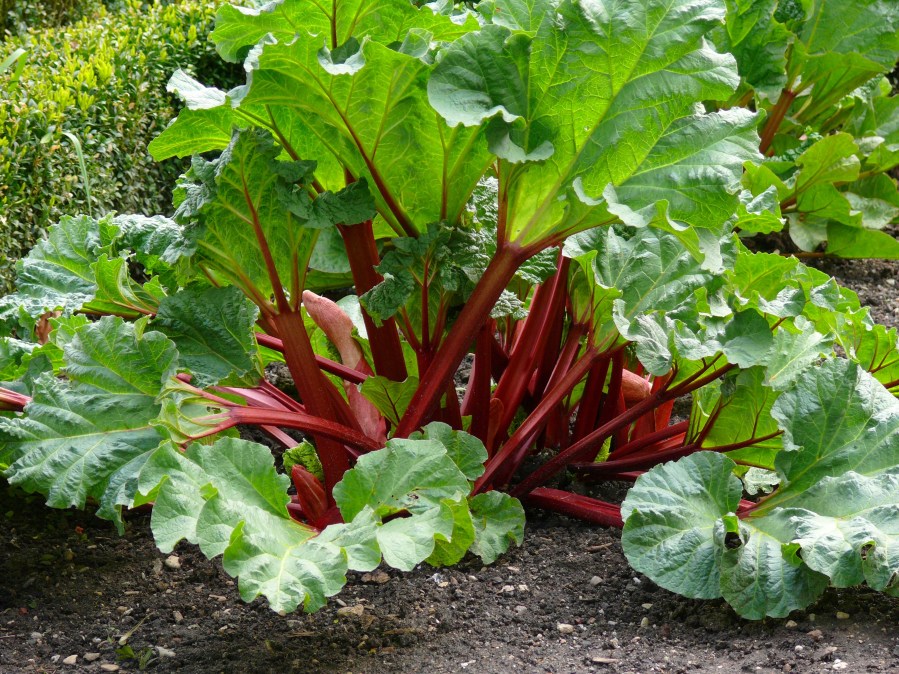
Rhubarb is a perennial crop, which means it dies back in winter and returns from the same crown each spring. That is its great advantage. Instead of starting from seed every year, you plant once and build the plant’s strength over time.
The easiest way to grow it is from a crown – a dormant section of root with buds already formed. Crowns are usually planted in autumn or early spring, while the soil is moist and workable. Choose a sunny or lightly shaded position with fertile, well-drained soil. Rhubarb is forgiving, but it performs best where it has space, moisture and plenty of organic matter.
Before planting, dig in compost or well-rotted manure. Set the crown so the buds sit just below the soil surface, then firm it in gently and water well. If you are planting more than one, space crowns about 75-90cm apart. Mature plants become large, leafy and rather magnificent, so don’t tuck them into a mean little corner and expect miracles. Rhubarb may be easy-going, but it still appreciates elbow room.
It can also be grown in a large container, which is useful if you have a small garden, patio or rented space. Choose a pot at least 50cm wide and deep, use a good-quality peat-free compost, and keep it watered through dry spells. Container-grown rhubarb will need more regular feeding than plants in the ground, but it is still a relatively low-fuss crop.
How to keep rhubarb productive
Once planted, the hardest part is leaving it alone. Avoid harvesting in the first year, however tempting those early stems look. The plant needs that first season to build a strong root system. If you weaken it too soon, it may struggle to produce well later.
From the second year onwards, rhubarb needs only simple care. Mulch around the crown in early spring with compost or well-rotted manure, keeping the mulch away from the crown itself so it does not rot. Water during dry periods, especially while stems are actively growing. Remove flower stalks if they appear, as flowering diverts energy away from stem production.
Every few years, older crowns may become congested and less productive. If that happens, lift and divide the crown while it is dormant, replanting healthy sections with strong buds. This refreshes the plant and gives you extra crowns to plant elsewhere or pass on to another grower.
When and how to harvest rhubarb
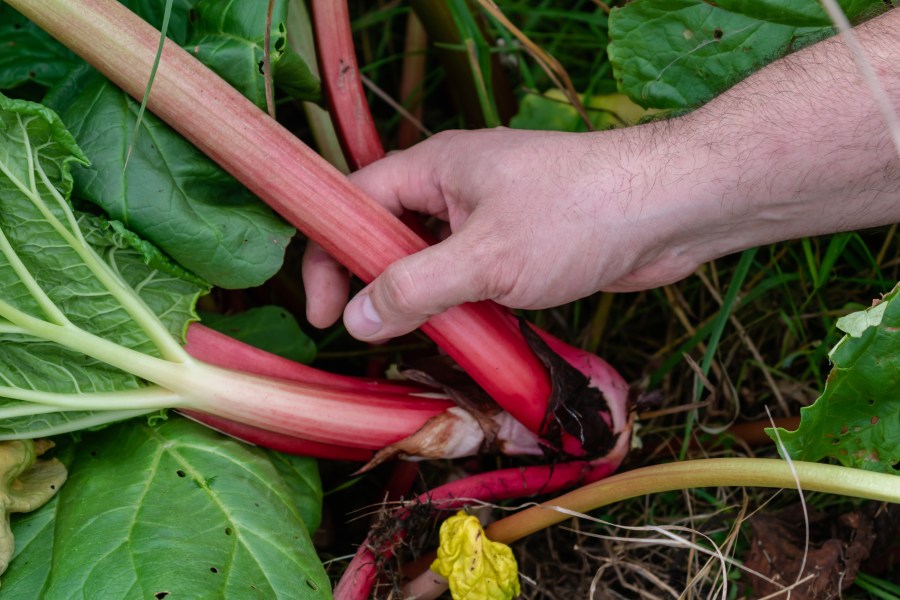
Rhubarb is usually harvested from spring into early summer, depending on the variety and local conditions. Stems are ready when they are long enough to use and have a good thickness, but avoid stripping the plant bare. Always leave several stems in place so the crown can keep feeding itself.
To harvest, hold a stem close to the base and pull it away with a slight twist. This is better than cutting, because it removes the stalk cleanly from the crown. Trim off the leaf immediately. Rhubarb leaves contain oxalic acid and should not be eaten, but the stalks are perfectly usable once the leaves are removed.
Stop harvesting by mid-summer, or earlier if the plant looks tired. This gives it time to rebuild its reserves before winter. A healthy rhubarb plant is playing a long game: a shorter, sensible harvest is better than pushing it too hard and weakening next year’s crop.
What is forced rhubarb – and why it tastes different
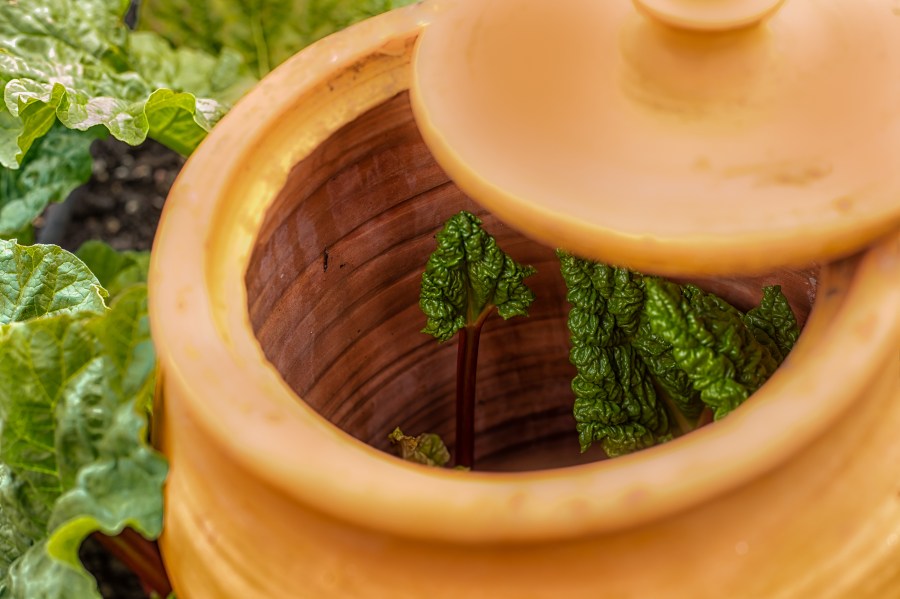
Growing rhubarb under cover is a simple way to bring the harvest forward. Forced rhubarb is produced by lifting mature crowns and growing them in darkness, traditionally in low, heated sheds. Deprived of light, the stems grow more quickly and develop a distinctive pale pink colour.
The lack of light also affects flavour and texture. Forced rhubarb is typically sweeter, more tender and less fibrous than outdoor-grown stems, which means it needs less sugar in cooking and breaks down more quickly.
In the UK, forced rhubarb is closely associated with the Yorkshire Rhubarb Triangle, where the technique has been refined over generations. It appears earlier in the season, often from late winter, offering one of the first fresh harvests of the year.
How to store fresh rhubarb
Fresh rhubarb is best used soon after harvesting, when the stems are firm and crisp. If you are not using it immediately, trim away the leaves, wipe the stems clean and store them in the fridge. Wrapped loosely in a damp cloth or placed in a reusable bag, they should keep well for several days.
For longer storage, rhubarb freezes very well. Wash and trim the stems, cut them into short lengths, then freeze them on a tray before transferring to a bag or container. Freezing the pieces separately first helps stop them clumping together, so you can take out only what you need.
You can also cook rhubarb into a simple compote and keep it in the fridge for a few days. This is often the most useful approach if you want to make healthier breakfasts easier. Once cooked, it can be spooned over porridge, stirred through yoghurt, served with granola or used as a sharp contrast to naturally sweeter fruit.
Low-calorie, high-fibre and full of flavour
Rhubarb’s biggest nutritional strength is its fibre content. Fibre supports normal digestion, helps keep bowel movements regular and feeds beneficial gut bacteria. For anyone trying to look after gut health, adding more fibre-rich plant foods is one of the most practical habits to build.
It is also naturally low in calories, which makes it useful for adding volume and flavour without making a dish feel heavy. The catch, of course, is sugar. Rhubarb is very sharp, and many traditional recipes balance that with generous amounts of sugar. That does not mean rhubarb has to be off the table; it simply means the way you use it matters.
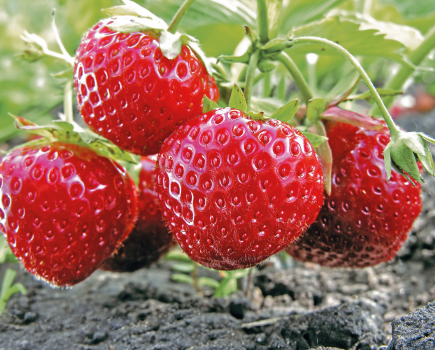
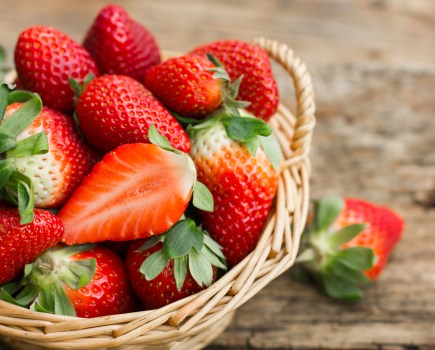
Pairing rhubarb with naturally sweet fruit such as strawberries, apples or oranges can reduce the amount of added sugar needed. Cooking it gently also softens its acidity. Red-stemmed varieties contain anthocyanins, the plant pigments associated with deep red and purple colouring, although colour varies by variety and growing conditions.
Simple ways to use rhubarb
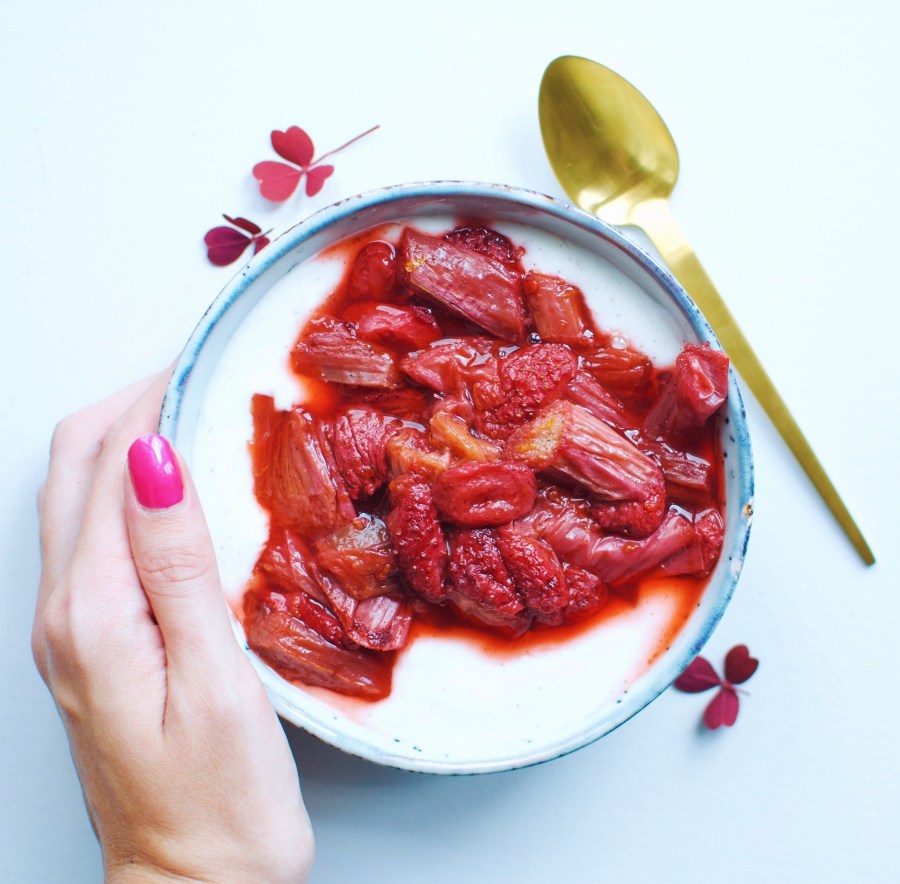
Rhubarb is best known for crumbles and pies, but it deserves a wider brief. Its acidity makes it useful anywhere you might want a sharp, fruity note. A small portion can brighten breakfasts, balance richer foods or add interest to plain yoghurt.
Simple rhubarb compote
This easy compote is the most useful way to prep rhubarb ahead, giving you a ready-made topping for breakfasts and desserts.
Cut trimmed rhubarb into short pieces and place in a pan with a splash of water or orange juice. Add a little sugar, honey or maple syrup to taste, then cook gently until the stems soften and collapse. Keep the texture slightly chunky if you like more bite, or cook it down further for a smoother spoonable sauce.
Use it over porridge, yoghurt, overnight oats or pancakes. For a more savoury option, serve a sharper, less sweet version with oily fish such as mackerel, or spoon it alongside roast pork or grilled halloumi. Rhubarb also works well with ginger, vanilla, orange zest and strawberries, so it is easy to adjust depending on what else you have.
The strongest argument for rhubarb is not that it is fashionable. It is that it is useful. It connects the garden and kitchen in a way that feels achievable, even for people who do not think of themselves as serious gardeners.
You plant it once, care for it lightly, harvest it seasonally, store it easily and use it in simple, repeatable ways. For a health reader, that means more fibre and more plant variety. For a new grower, it means confidence. And for anyone trying to make small, realistic improvements to how they eat, rhubarb is a crop that does not ask for much – then quietly pays you back for years.
For a shorter, health-focused version, read our guide to rhubarb and gut health