
Rhubarb has a bit of an image problem, but its health benefits are surprisingly strong. It’s sharply sour, often associated with old-school puddings, and rarely gets the same attention as sweeter fruits. But nutritionally, it quietly holds its own – and in some areas, it’s surprisingly useful
Look past the tartness and the rhubarb health benefits become clearer: a low-calorie, high-fibre, seasonal ingredient that supports digestion, adds variety to your diet, and brings real flavour without relying on fat or sugar.
Rhubarb health benefits for gut health
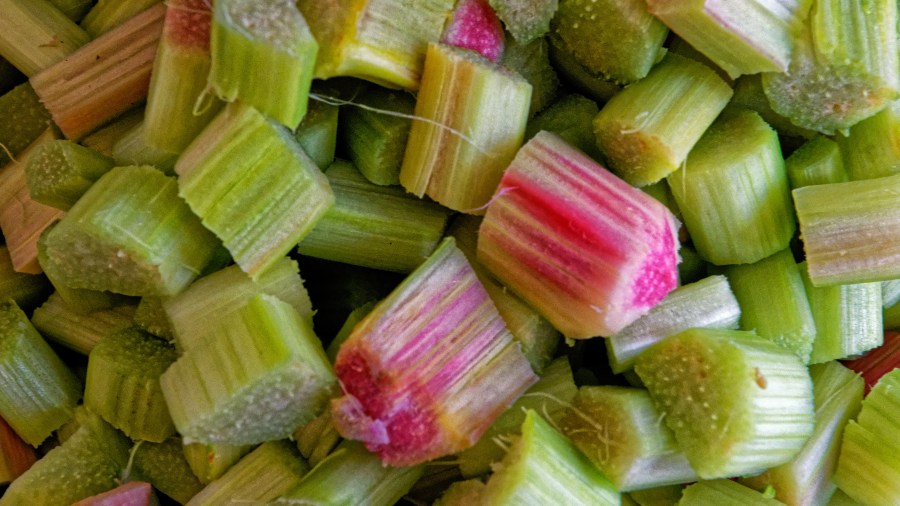
One of the key rhubarb health benefits is its fibre content. Like many plant foods, it contains both soluble and insoluble fibre, which work together to support digestion.
Insoluble fibre helps keep things moving, while soluble fibre feeds beneficial gut bacteria. That combination is key for maintaining a healthy digestive system, especially if your diet leans towards more refined foods. There’s also early research suggesting that compounds in rhubarb – particularly polyphenols – may have a positive effect on gut microbiota. It’s not a miracle fix, but it’s another small, practical way to support gut health through everyday foods.
Low in calories, high in impact
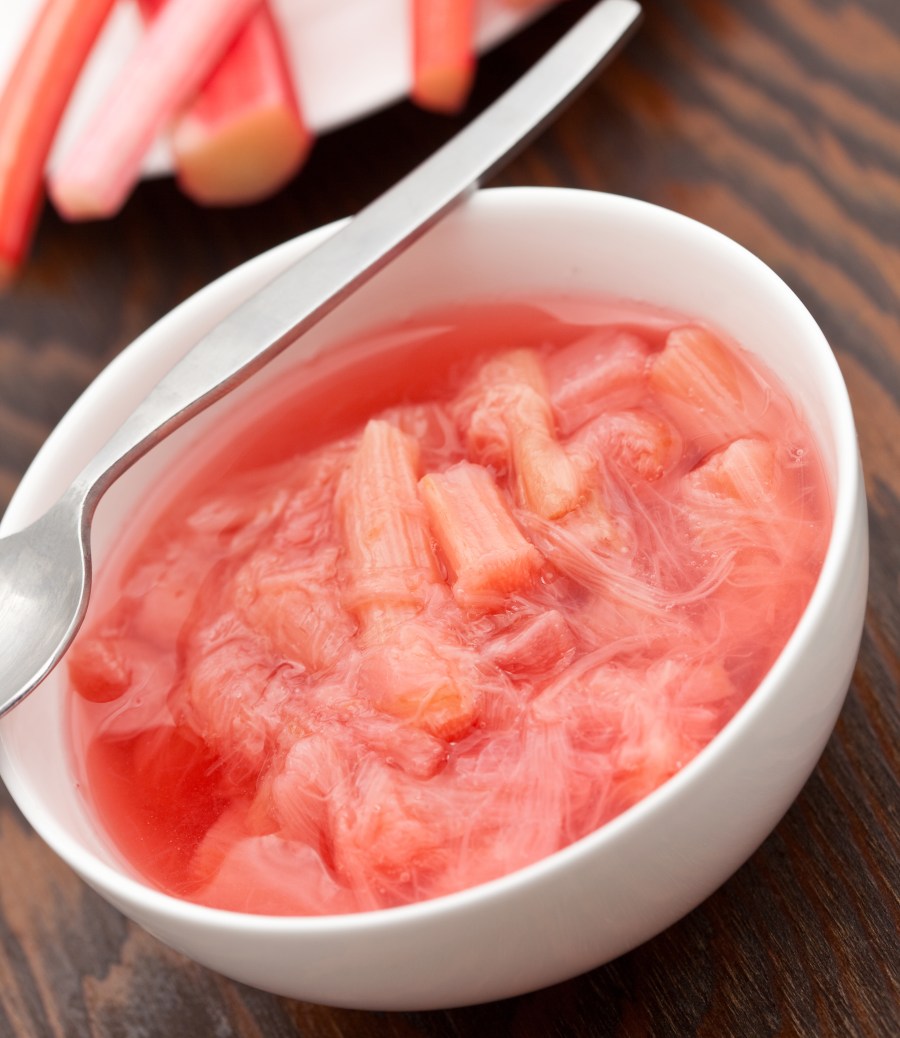
Rhubarb is naturally low in calories, which makes it useful if you’re trying to reduce overall energy intake without feeling restricted.
The sharp flavour does a lot of work here. Because it’s so distinctive, you don’t need large portions or heavy additions to make it satisfying. Used simply, it delivers a strong taste experience without relying on fat or sugar.
If you grow your own, there’s even a traditional trick for softening rhubarb’s sharpness naturally – pairing it with sweet cicely, a herb whose leaves add a gentle sweetness without needing extra sugar.
What rhubarb does for your body (and one thing to be aware of)
Rhubarb also contains a useful mix of vitamins and minerals. It’s a source of vitamin K, which supports bone health, along with smaller amounts of vitamin C for immune function and potassium for blood pressure balance.
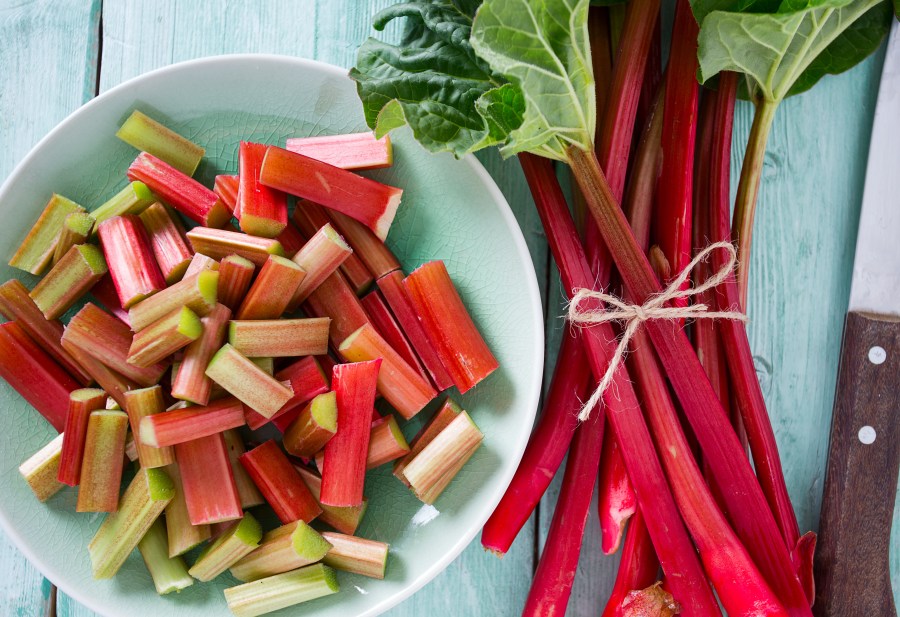
The pink and red tones in the stalks come from antioxidant compounds, including anthocyanins – the same group found in berries. These help protect cells from oxidative stress and support long-term health.
Rhubarb is safe for most people, but because it’s naturally high in oxalates, those prone to kidney stones may want to enjoy it in moderation rather than in large, frequent servings.
Understanding the short season
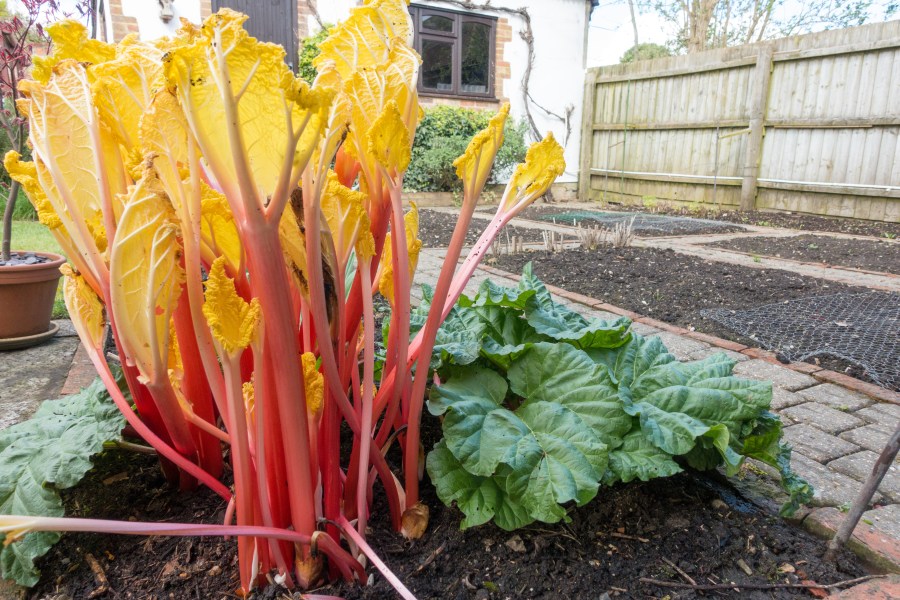
One of rhubarb’s strengths is also one of its limitations: it’s seasonal.
Forced rhubarb appears first, typically in late winter to early spring. Grown in darkness, it produces tender, pale pink stems with a milder flavour. Outdoor rhubarb follows later, with thicker stalks and a more pronounced sharpness.
From a nutritional point of view, both offer similar benefits, but the difference in flavour can influence how much you use – and how often you reach for it.
That short window is part of the appeal. It encourages variety and keeps your diet in step with the seasons.
Simple ways to use it day to day
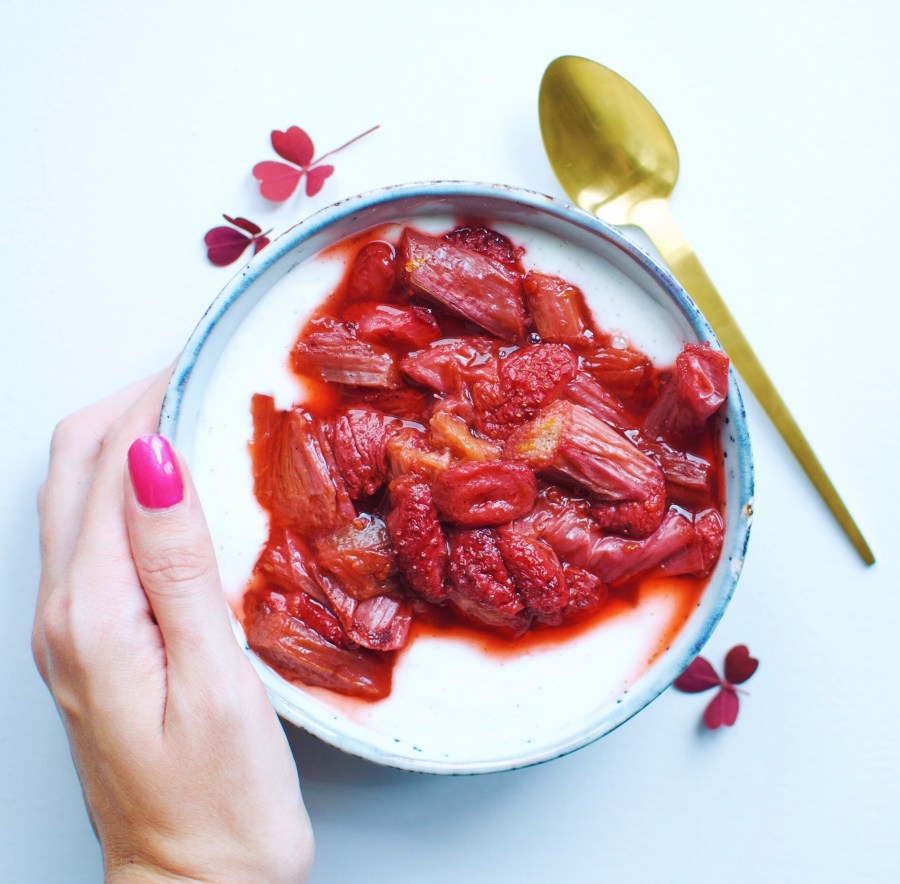
Rhubarb doesn’t need complicated recipes to be useful. In fact, the simplest approaches tend to work best.
Gently stew chopped rhubarb with a splash of water until soft, then spoon it over yoghurt or porridge. It adds sharpness and contrast without needing much else.
You can also blend it into smoothies for a fresh, slightly tart edge, or stir it through overnight oats.
For a more savoury angle, rhubarb works surprisingly well alongside rich foods. A small amount served with roasted meat or oily fish cuts through heaviness in the same way lemon would. It also freezes well. Chop it, freeze flat, then store in bags so you can use small portions as needed.
Easy to grow – even in containers
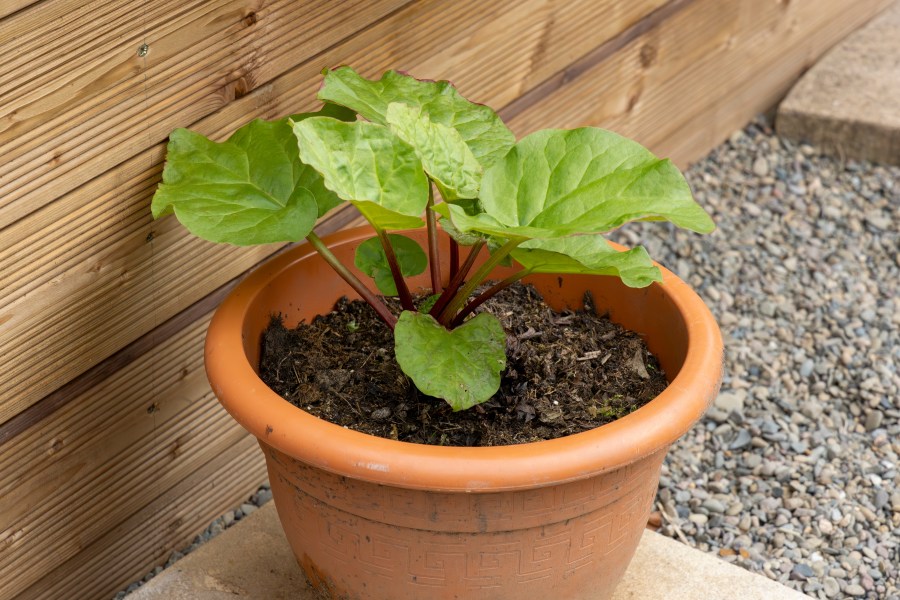
Rhubarb is usually thought of as a garden plant, but it also grows well in containers if you give it enough space. That makes it a useful option if you don’t have a veg patch.
Choose a large container – around 40–50cm wide and deep – and fill it with rich, moisture-retentive compost. Place it in sun or light shade, and keep it well watered.
Because rhubarb is a hungry plant, regular feeding helps maintain strong growth. A general-purpose liquid feed every couple of weeks during the growing season is usually enough.
Container-grown plants won’t reach quite the same size as those in open ground, but they still produce a worthwhile crop – and the bold leaves make them a striking addition to a patio or balcony.
A seasonal ingredient worth using
Rhubarb isn’t trendy. It doesn’t come with bold claims or expensive packaging. But it is practical, seasonal, and quietly useful.
It supports gut health, contributes useful nutrients, and adds variety to your diet without demanding much in return.
And if you have the space to grow it – even in a container – it’s one of the easiest ways to bring something fresh, homegrown and genuinely useful into your routine.