

Craving something fruity? Picking salads over stews? Step away from that casserole dish and break free from the winter slump by listening to your body this spring – your energy levels will only thank you…
Words: Amy Dowrick | Images: Shutterstock
While many might associate a craving as nothing more than a quick snack to suppress your sweet tooth, listening to your body can play a vital role in figuring out what essential nutrients it needs – and it’s got more to do with the seasons than you might think.
“Spring energy from a traditional Chinese medicine perspective is all about the liver and gall bladder,” says Circadian Health Educator Carrie Bennett. “You’re talking about purification and allowing your body a natural opportunity to support cleansing, and to support detoxification.”
“You’re tapping into that spring energy,” she adds. “And a lot of that spring energy is lighter. I don’t want the heavier foods that I liked in the winter.”
“I crave more kiwi fruits, limes, lemons and citrus,” adds Certified Nutrition Coach Sarah Kleiner. “Those are vitamin-c rich foods and have a lot of antioxidants – there’s a nutrient in that food that my body is seeking out.”
Why is seasonal eating important?
“UV light grows food, and what’s happening right now at this time of year? UV light is getting stronger,” says Sarah. “Days are getting longer, so the food availability is going to change.”
“We have light receptors on our mitochondria, we have light receptors on our skin, on our eyes, and all over our entire bodies,” she adds. “We are essentially light beings. So why would we not want to coordinate our eating with the light as well? To me it just makes perfect sense.”
And not only is it a refreshing way to balance your diet, it can also help you feel more connected to your environment – all while freeing yourself up from the eating habits that have you working by a rule book (think – paleo, keto and nail-biting calorie counts).
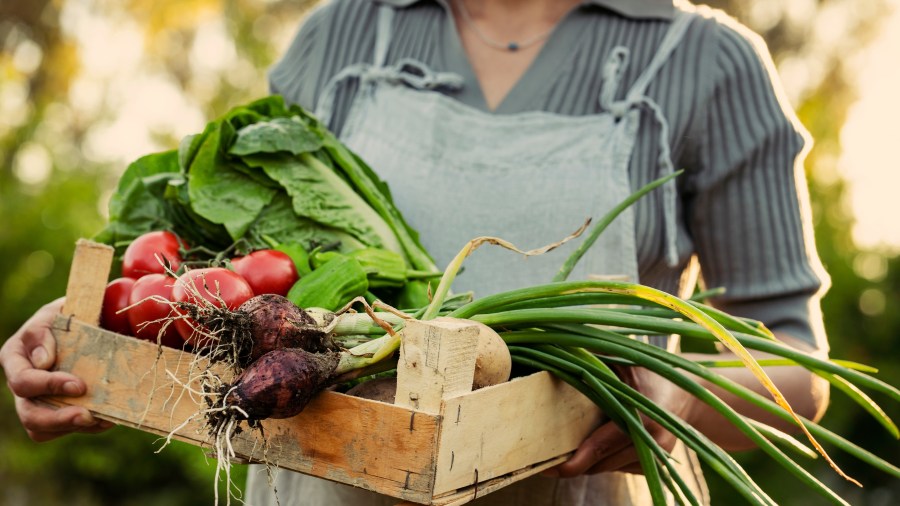
Want to get started? We’ve listed which veggies you should be adding to your spring shopping trolley below:
Starting out
“The best way to get started is figuring out what kind of local and seasonal things are available, have adequate protein, and just start there,” says Carrie.
“If you’re craving something green and nutrient-rich, honour that. Recognise that your body is connected to those seasonal energies, and your body can then direct your cravings accordingly,” she adds.
Asparagus
Whether it’s roasted, grilled or sautéed, asparagus is one of the more versatile spring veggies, and is a rich source of vitamins A and K to help promote healthy skin and bones.
As a shopping tip, look for bright green spears with tight tips. Asparagus can go off quickly, so trim the ends and put the stalks end down in a jar of water in the fridge – it keeps it fresh for a few days!
Cruciferous vegetables
Cabbage, broccoli, sprouts and cauliflower are just some of the cruciferous vegetables in season this month. Not only a rich source of vitamins C, E and K, they have also been shown to have cancer-fighting properties.
“One of the main chemicals that gets released when you eat broccoli is called sulforaphane,” says epidemiologist Professor Tim Spector. “This has all these anti-inflammatory effects on the body, and it’s been shown to reduce obesity related to inflammation.”
“One tip to maximise the sulforaphane is to actually microwave your broccoli – you get 3 or 4 more sulforaphane when you microwave it than when you heat it,” he adds.
Peas
Peas are a surefire way to add a burst of sweetness and colour to springtime recipes, from salads and stir-fries to risottos. A good source of the carotenoid’s lutein and zeaxanthin, they also support eye health and are a good source of fibre.
If you fancy whipping up a super easy side dish with these green goodies, lightly steam and toss them with a dash of mint and lemon zest for an antioxidant boost to your meals.
Root vegetables
Root veggies like carrots, beetroots and radishes not only add a splash of colour to a springtime lunch but are also really good sources of antioxidants and fibre.
Carrots are rich in beta-carotene (which is a source of vitamin A), beetroots contain nitrates (which may help to lower blood pressure), and radishes offer a peppery bite to a spring salad with a vitamin C boost – it’s a no brainer!
Recipes to try
Now your trolley is full and your fridge is stocked, try these seasonal recipes to get the most from your new goodies:
- Lemon baked chicken with asparagus: https://www.topsante.co.uk/food/seasonal/asparagus-recipes/
- Vegetarian spring salad with egg, asparagus and new potatoes: https://www.topsante.co.uk/food/easy-vegetarian-recipes/
- Beetroot burgers with vegetable chips: https://www.topsante.co.uk/food/5-gut-friendly-recipes-to-soothe-ibs-and-bloating/
- Cumin-roasted cauliflower with Sichuan pepper and peanut dip: https://www.topsante.co.uk/food/weekend-meal-plan-recipes-for-breakfast-lunch-dinner/
- Vegan one-pot BBQ cauliflower wings with roasted peppers and lime: https://www.topsante.co.uk/food/veganuary-recipes-5-easy-and-delicious-one-pot-vegan-meals/