

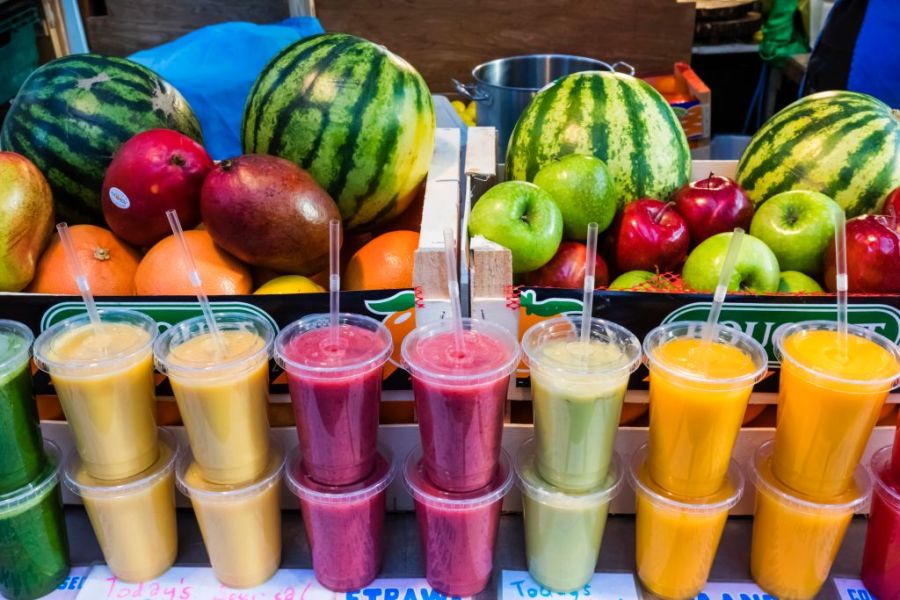
Nutritionist Emma Bardwell reveals the six fruit juices that can be good for your health – and explains why they deserve a place in a balanced diet
PICS: GETTY IMAGES
Fruit juice has had a bit of a PR disaster over the past few years. Somewhere along the line it has gone from being a breakfast staple to something many people now think of as worse than fizzy drinks. As a registered nutritionist, I don’t think it’s quite that simple.
Would I rather you ate an orange than drank a glass of orange juice? Most of the time, yes. Juicing strips away much of the fibre that makes fruit and vegetables so good for us. Fibre feeds our gut microbes, helps keep us full, slows the release of sugar into the bloodstream and is a nutrient we are woefully lacking in the UK, with around 96 per cent of us failing to hit the recommended 30g a day.
But losing the fibre doesn’t mean juice suddenly becomes nutritionally empty. Many juices still provide vitamins, minerals and hundreds of naturally occurring plant compounds called polyphenols. These are the chemicals plants produce to protect themselves, and we’re increasingly discovering they have many benefits too. Some juices have even been studied for specific health benefits, from supporting blood pressure to helping muscles recover after exercise.
I’m not suggesting you start knocking back litres of juice each day, but a small 150ml glass can absolutely have a place in an otherwise healthy diet.
Beetroot juice
If I had to pick the juice with the strongest evidence behind it, beetroot would be top of the list. It’s naturally rich in nitrates, which your body converts into nitric oxide. Nitric oxide helps blood vessels relax and widen, making it easier for blood to flow around the body. Studies consistently show modest reductions in blood pressure in some people, particularly older adults and those with raised blood pressure.
Beetroot juice has also become a firm favourite among endurance athletes because better blood flow means oxygen reaches working muscles more efficiently. That’s why you’ll often see runners and cyclists reaching for beetroot juice a couple of hours before an event.
Pomegranate juice
Pomegranate is packed with antioxidant compounds called polyphenols, which is where most of its benefits sit. Research suggests these compounds may help protect blood vessels from damage and support heart health. Several studies have also found small reductions in blood pressure in people who regularly drink pomegranate juice, although I’d be wary of overselling it and it’s not a replacement for medication or a healthy lifestyle. Think of it as a small positive – that tastes great – rather than a magic bullet.
Tart cherry juice
This one often surprises people. Tart cherry juice has built up quite an impressive evidence base among athletes. Several studies suggest it may reduce muscle soreness and help quicker recovery after prolonged or intense exercise.
There’s also emerging evidence that it could improve sleep. Tart cherries naturally contain melatonin, the hormone involved in regulating our body clock, although it’s likely the combination of plant compounds rather than melatonin alone that’s responsible for any benefit. Always plump for one with no added sugar, but if you’re training hard, struggling with recovery or finding sleep elusive, it’s worth a try.
Cranberry juice
This is a classic example of an old wives’ tale that turns out to contain more than a grain of truth. Cranberries contain compounds that make it harder for certain bacteria, particularly E. coli, to stick to the lining of the bladder. That means cranberry juice may help reduce the risk of recurrent urinary tract infections in some women. The important caveat is that it won’t treat a urinary tract infection once it’s started. If you’ve got symptoms, you still need to see your GP.
Orange juice
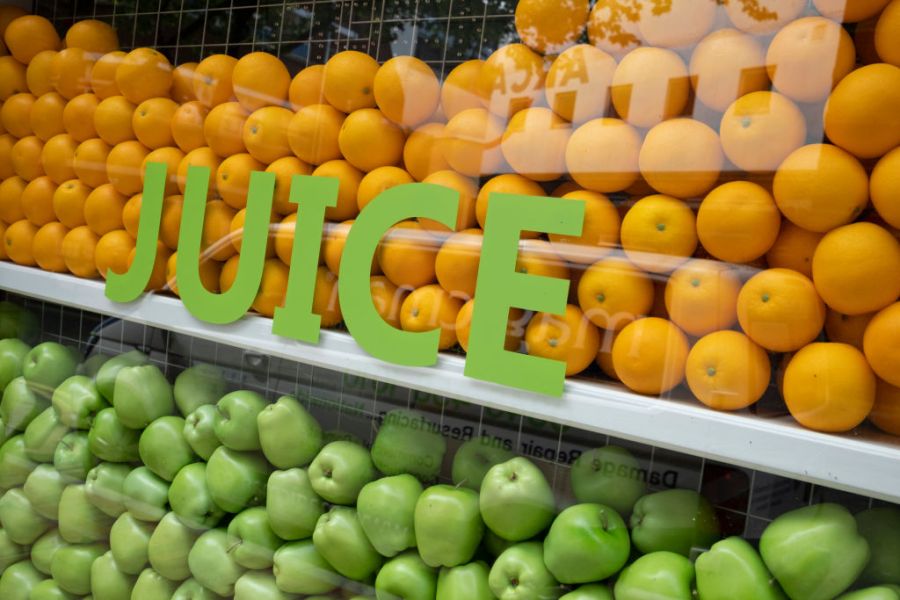
Orange juice often gets unfairly lumped into the same category as fizzy drinks, but nutritionally they’re worlds apart. A small glass provides plenty of vitamin C, along with folate and potassium. Vitamin C isn’t just important for immunity, it also helps us absorb iron from plant foods, so having a small glass alongside a meal containing beans, lentils or spinach can be a useful trick if you’re trying to boost your iron intake.
Researchers are also looking at whether the flavonoids found in citrus fruits might support healthy blood flow to the brain and cognitive function. It’s early days, but it’s certainly an interesting area to watch.
Tomato juice
Tomatoes don’t usually spring to mind when we think of juice, but perhaps they should. Tomato juice is one of the richest dietary sources of lycopene, a powerful antioxidant that’s actually easier for us to absorb once tomatoes have been cooked or processed – one of the occasions where processing actually works in our favour.
Some studies suggest lycopene-rich diets are linked with better heart health, while tomato juice also provides potassium which is important for healthy blood pressure. Just keep an eye on the back-of-pack label, as some versions are surprisingly salty.
So, should you drink juice?
For me, it comes back to balance. Whole fruit and vegetables will always be my first recommendation because you get all of the fibre as well as the vitamins and beneficial plant compounds, but I also think we’ve become unnecessarily fearful of fruit juice.
A small daily glass isn’t going to make or break your health. In fact, if it helps you increase your intake of beneficial plant compounds or encourages you to choose juice instead of sugary soft drinks, it can be a perfectly sensible addition to your diet. As I always say, nutrition is rarely about one single food, it’s the bigger picture that matters.