

Harsh chemicals, hidden irritants, and over-cleaning habits could be doing more harm than good. Discover how to refresh and detoxify your home without harming your long-term health.
Words: Amy Mica Marsden. Images: Pexels
The arrival of spring is naturally and historically associated with cleaning – a time to dig out our supplies from the backs of our cupboards and really deep-clean every nook and cranny in our home; and it’s only become more relevant as time has gone by.
The regular use of cleaning products has soared since the pandemic, with some countries seeing a rise in cleaning frequency of up to 69%, leading to an increasing trend of viral cleaning content on social media.
It is, of course, important to keep our homes clean and fresh for our health and wellbeing, but are we jeopardising our health by doing so?
Hazards of toxic cleaning products
It’s no secret that many of the ingredients in our regular cleaning supplies should be handled carefully, but what exactly could they be doing to our health?
Sydney Swanson, Senior Science Analyst at non-profit organisation The Environmental Working Group (EWG), explains: “Fumes from cleaning products can linger long after they have been applied. Repeated exposure may irritate the eyes and skin, trigger headaches, and aggravate asthma and other respiratory conditions.
“Over time, frequent exposure to certain harsh chemicals may also contribute to broader health concerns, depending on the ingredients.”
In fact, evidence is increasingly suggesting that the use of toxic cleaning products could cause asthma to develop in people who were previously healthy, as well as potentially contributing to cancer risks, and possibly disrupting our hormones and childhood development.
“Children can be especially vulnerable. They spend more time close to floors and surfaces, and frequently put their hands and objects in their mouths,” Sydney warns. “They also breathe more frequently than adults. These behaviors can increase their exposure during important stages of development, making safer cleaning product options particularly important for families.”
Read our guide to the top 7 cleaning mistakes you could be making.
Ingredients to look out for
Unfortunately, not every country requires ingredients to be clearly identified on the label, meaning some harmful ingredients may be flying under the radar in your cleaning supplies.
Because of this, it’s important to read product ingredient labels carefully and always follow the manufacturer’s instructions for their intended use.
As far as what to look out for, Sydney recommends the following:
- Cut back on products with undisclosed fragrances. The term “fragrance” can represent a mixture of many undisclosed chemicals and is a common trigger for headaches, sensitivities, and respiratory irritation.
- Use disinfectants only when truly needed rather than for everyday cleaning. Antibacterial additives are often unnecessary for routine cleaning in most households.
- Do not mix cleaning products, as some chemical combinations can create and release toxic fumes.
She also reccommends keeping an eye out for “vague terms like ‘preservative’ or ‘surfactant’ without the specific identification”, as they “do not give consumers enough information to make informed decisions.”
The three categories of products that EWG recommends you stay away from wherever possible are bleach and quat-based disinfectants, air fresheners, and caustic drain cleaners, as these are linked to potential respiratory harm or may contain undisclosed or untested chemicals.
Detoxifying your home – where to start?
So you want to ditch toxic cleaning supplies – but there’s a whole world of recommendations out there, and trying to decide where to start can quickly feel overwhelming.
For this, Sydney recommends a gradual approach. Instead of throwing away all of your products at once, she says, you should instead just try to swap out an item with its non-toxic alternative once it runs out.
“Focus on products you use most often and in the areas your household touches every day, such as kitchen counters, bathroom surfaces, floors, and laundry items,” she adds. “These changes can have the biggest day-to-day impact.”
Another easy thing you can do to reduce your exposure to toxic cleaning chemicals is simply to improve your ventilation when cleaning, making sure windows are open when using cleaning products to minimise long-term damage to your respiratory system.
Easy swaps for a cleaner, non-toxic home
The easiest thing you can do to minimise toxic cleaning products in your home is to simply to make your own from scratch.
EWG recommends a mix of hot water with half a teaspoon of sodium carbonate (also known as washing soda) and half a teaspoon of liquid soap or dish detergent for a great, non-toxic, all-purpose cleaner.
For the kitchen, try mixing vinegar and salt into a paste to make a surface cleaner which fights grime naturally – or try sprinkling baking soda on oven stains, moistening them with water, and letting them sit overnight before wiping and rinsing.
And in the bathroom? Try making a soft scrub by wetting half a cup of baking soda with a small amount of liquid soap.

If you’re worried about the ingredients in your existing cleaning products, try using EWG’s Guide to Healthy Cleaning, which gives each ingredient a rating from A-F, depending on how hazardous it may be for you.
“Another way is using a single, multipurpose cleaner such as an all-purpose formula or castile soap for a variety of household cleaning tasks,” according to Sydney. “Relying on one well-formulated product instead of multiple specialized cleaners can help reduce the overall number of chemicals in your home and simplify ingredient exposure.”
“The goal is progress, not perfection. Small, consistent changes over time can add up to a cleaner, healthier home.”
Non-toxic cleaning supplies for your home
If you’re feeling overwhelmed by brands and choices when choosing non-toxic cleaning products, here are a few you can try.
Smol
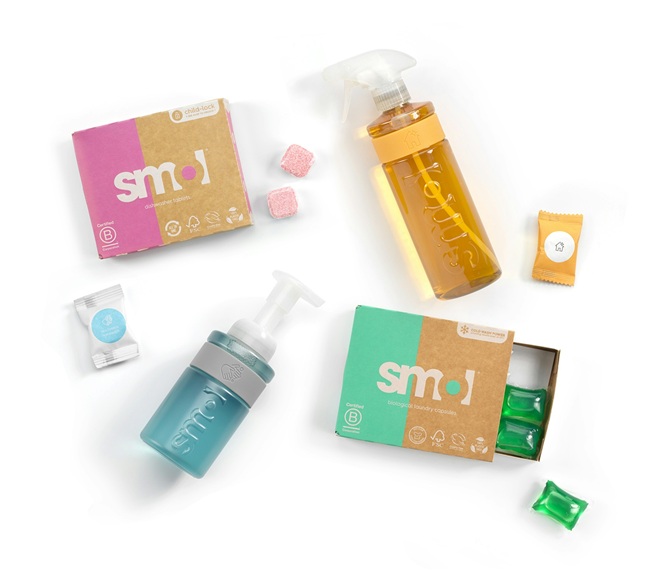
This eco-friendly and non-toxic brand is subscription based, meaning they’ll send you refills on a schedule. It’s easy to change deliveries, pause or cancel, and Smol aims to reduce packaging waste as much as possible. They’re perhaps best known for their concentrated cleaning products, most of which just need you to add water. Environmental bonus! Plus, you can try the starter pack (above) for just £5.
Purdy & Figg
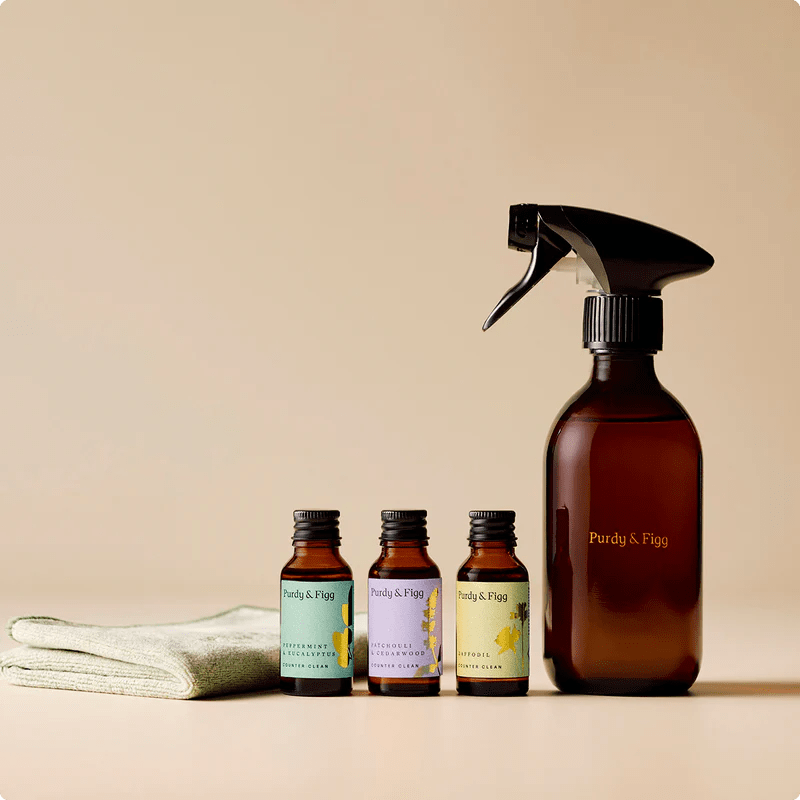
With lots of great scents to choose from, Purdy & Figg claim their products are 100% plant-based, focusing on the power of essential oils. You can grab their starter pack for £30.
Bio-D
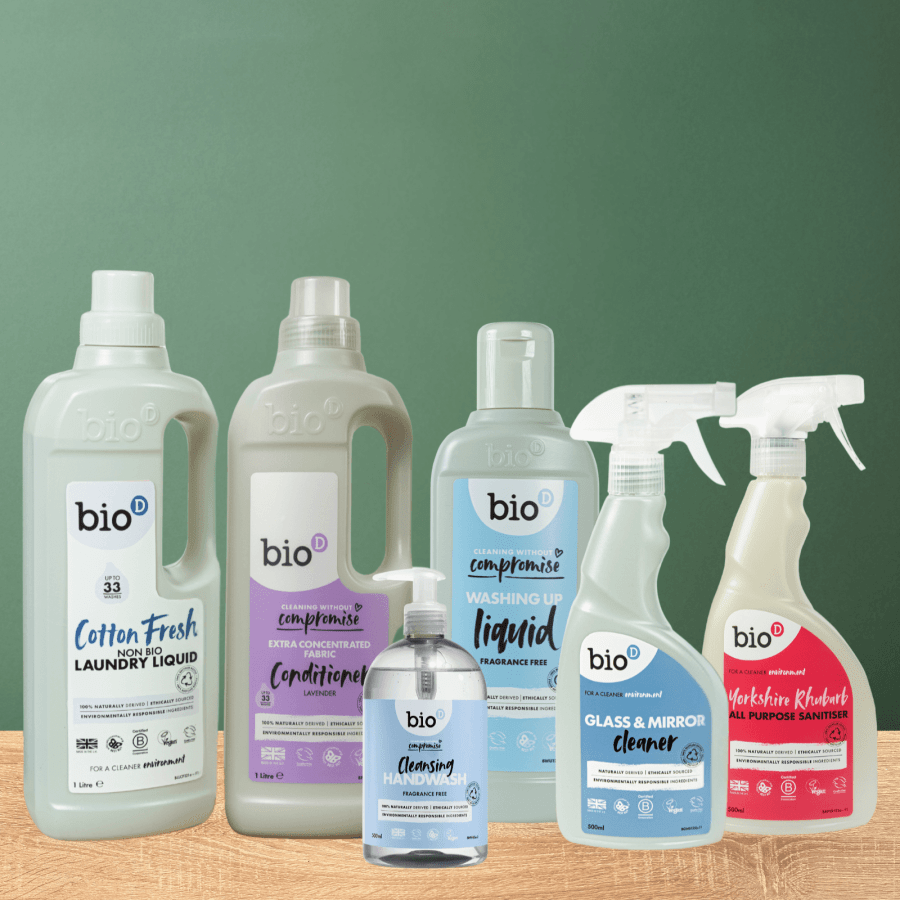
Bio-D claim their products are made from naturally-derived, ethically sourced ingredients, and their UK factory uses recylcable and biodegradable packaging (as well as being powered by solar energy)! You can grab their starter bundle (above) for £20.99.