
Summer is often a time of indulgence – but it can come at the cost of your health goals. We spoke to addiction specialist Dr Matt Glowiak to find out whether ‘zebra striping’ could actually help.
Words: Amy Mica Marsden. Images: Shutterstock
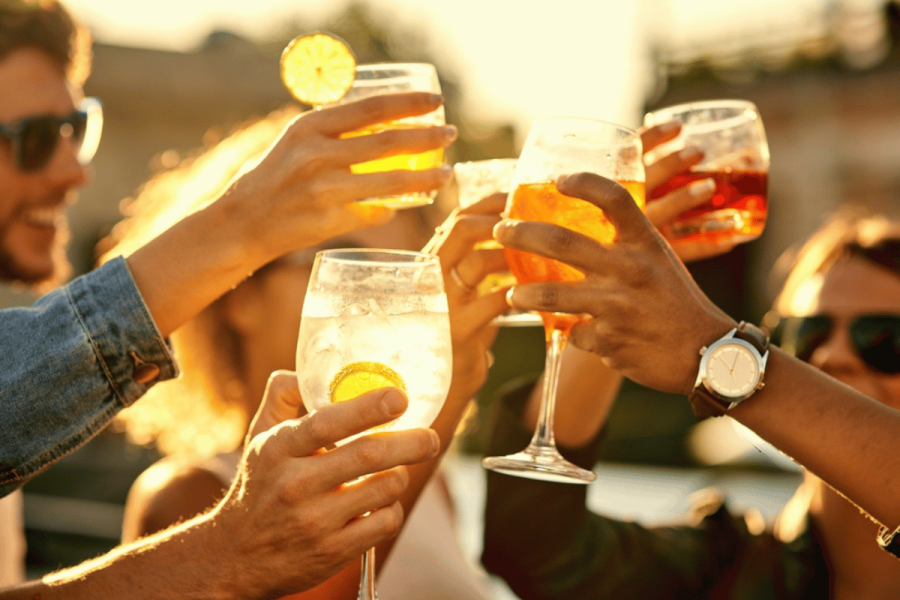
What does warmer weather mean to you? For many of us, summer equals spending more time outside, often with friends and family – and many times with a drink in hand. Whether it’s going to your local beer garden, bar hopping, or backyard beverages, you’re likely indulging a little more than usual.
However, if you’re trying to take care of your health, an increase in alcohol intake can impact your goals and leave you feeling groggy and not your best.
Summer and alcohol
If you’ve ever been hungover, you don’t need us to tell you that alcohol isn’t exactly a health tonic; it’s dehydrating, it compromises the body’s natural functioning, puts strain on the heart and liver when taken in excess, and more. And these effects can be amplified in summer.
‘From a mental health standpoint, dehydration may lead to impaired concentration and increased susceptibility to feelings of anxiety and depression,’ says Dr Matt Glowiak, licensed counselor and chief addiction specialist at recovered.org.
Dr Glowiak also points out the dangers of combining alcohol with other common summer activities such as swimming, operating machinery such as boats, using fireworks, and more.
Previous US national guidelines recommended a maximum of one alcoholic drink per day for women and two for men, while the NHS recommends limiting alcohol intake to 14 units or less per week. Australian government guidelines suggest you should aim to drink no more than 10 standard drinks per week (and no more than 4 in any one day).
What is ‘zebra striping’
You don’t need to completely give up alcohol in order to enjoy a drink in summer: here’s where the concept of ‘zebra striping’ comes in.
So, what is it?
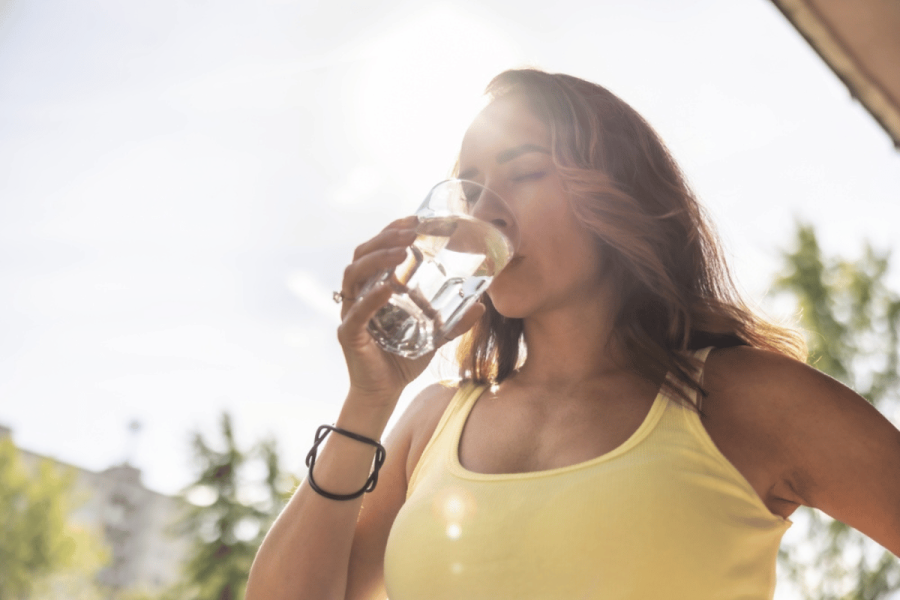
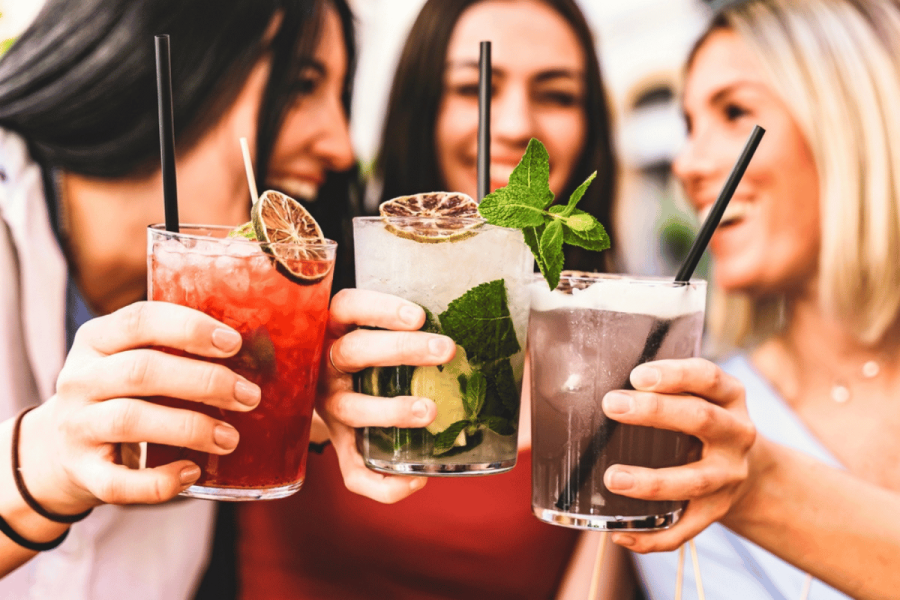
Quite simply, zebra striping is the practice of alternating between an alcoholic beverage and a non-alcoholic drink (i.e., water, juice, mocktails, etc).
‘The most obvious benefit is that it slows down drinking. Rather than consuming four alcoholic beverages in a row, one would consume two alcoholic and two nonalcoholic beverages,’ explains Dr Glowiak. Spacing your drinks out like this gives your body more time to metabolize the alcohol and, of course, slows down the rate of intoxication.
Zebra striping will also likely reduce dehydration from a night out (depending on your drinks of choice) and may lead you to consume less alcohol overall than you otherwise would. When combined, all of these benefits can leave you feeling fresher the next day and less likely to feel the physical and mental effects of overindulgence.
‘Zebra striping’ for maximum benefit
‘The best way to practice “zebra striping” is to remain consistent with it,’ says Dr Glowiak. Habits can be hard to change, but if you stick with it, it can easily become part of your normal drinking routine.
‘For those who are conscientious about calories, sugar, et cetera, it’s likely best to alternate water with beverages. Water is the best source of hydration anyway!’
Dr Glowiak also notes that for maximum benefit, you can try tipping the scales more in favor of your nonalcoholic beverages – for example, if you’re drinking a standard 12-ounce beer, you might consider drinking a pint of water in between.
‘Of course, other beverages are okay, too, but it’s important to consider the hydration factor,’ Dr Glowiak advises. ‘Remember, dehydration is a contributing factor toward hangovers. Consuming beverages that dehydrate you, such as highly caffeinated beverages and/or high-sugar liquids, will negate some of the intention of “zebra striping.”’
Other tips for healthier drinking in summer
‘Zebra striping’ isn’t the only way we can protect our health and wellbeing while drinking this summer. Dr Glowiak recommends the following for a healthier summer of drinking:
- Try to avoid alcohol consumption as a daily habit, and drink in moderation where possible
- Pay attention to the concentration of the alcohol – ‘Many cocktails include multiple shots of the same or diverse sources of alcohol. They might also include caffeine and sugar, which further contribute to that ill feeling people like to avoid.’
- Be mindful of your environment and activities when drinking this summer – don’t swim alone, operate a boat, hike in dangerous terrain, etc. ‘Consider whether engaging in an activity without alcohol comes with risk. If it does, multiply that level of risk times the amount you drink,’ he says.