

Dr Sohère Roked shares why it’s important to understand your hormone health – no matter your age
Words: Dr Sohère Roked | Images: Shutterstock
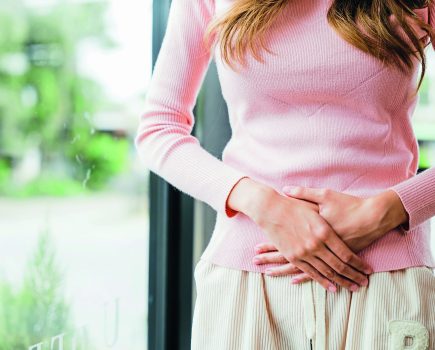
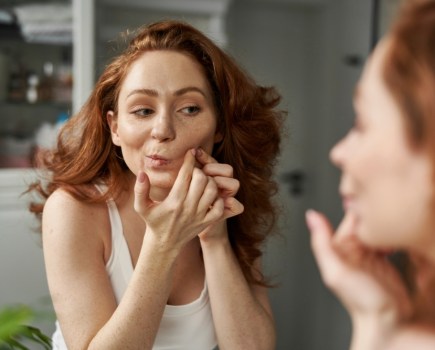
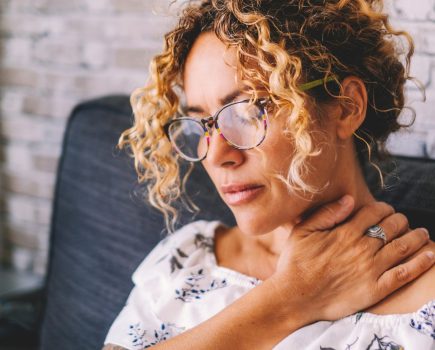
Your hormones affect you all the time, from your mood, energy and skin, to focus, concentration and weight, to name a few things. You may have heard the phrase “hormone hacking”, which, simply put, means getting to know your cycle and your natural fluctuations and then using that information to your advantage. For example, understanding whether at certain times of the month you’re more energetic, then planning more activities for that time; conversely, knowing when you’re likely to feel tired and so keeping your diary freer. Tracking your mood, symptoms and even when your hair and skin look and feel different also helps.
When working with a patient I will prioritise tracking and I might recommend targeted supplements, such as magnesium and B vitamins, and lifestyle changes or sometimes bioidentical hormone replacement products to maintain balance.
Lifestyle changes
Not everyone can or wants to use HRT, so there’s a lot that women can do in terms of lifestyle interventions to help improve hormone health. For one, what you eat is so important. I don’t think it’s good to follow a super-strict diet every day. Your body needs different things at different times of the month.
The first two weeks of your cycle, if you still have one, I recommend eating more salads and greens, which is good for balancing oestrogen; the second half of the month, eat some carbohydrates, meat and root vegetables, which promotes progesterone production. And you can still follow this pattern if you’re not menstruating, but in general for hormonal health in menopause, a diet with healthy fats, good levels of protein and fibre, whole foods and fruit and vegetables works well.
When it comes to exercise, high-intensity workouts aren’t necessarily a good thing to do all month long as they raise cortisol levels, which can cause inflammation. The best time to do HIIT is the time from after your period (follicular phase) to ovulation, which is often mid-month. For balance, I recommend strength training, yoga, Pilates and walking during the second half of your cycle.
Understanding your hormones and how they affect you means you can give your body and mind what they need. When hormones are in balance, you feel energised, have clear skin, think clearly and so much more!
Dr Sohère Roked is a GP and functional medicine and hormone doctor, specialising in bioidentical and body identical hormones. She practices at Omniya Clinic, London, and also sees patients virtually. Visit drsohereroked.co.uk, follow her at instagram.com/drsohere_hormonesandhealth, or check our her podcast, It’s Your Hormones, and book The Tiredness Cure (£10.99, Vermilion).