
Scratchy, sore or constantly watering eyes? Dry eye is surprisingly common, especially for women in midlife. Aesthetics reporter Anna Dobbie investigates why it happens and what can actually help.
Words and images: Anna Dobbie. Additional imagery: Shutterstock, Pexels
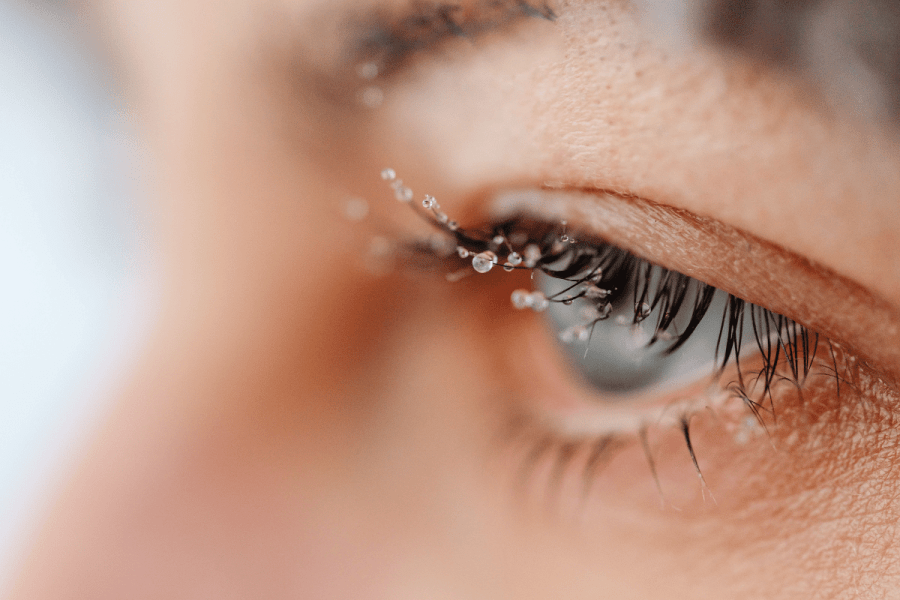
For something so small, our tear film does an impressive amount of work. Every time we blink, a thin layer of tears spreads across the surface of the eye to keep it lubricated, comfortable and clear.
When that system stops working properly, the result can be dry eye disease. While many people reach for eye drops, experts say this often only scratches the surface of a much more complex condition.
What is dry eye?
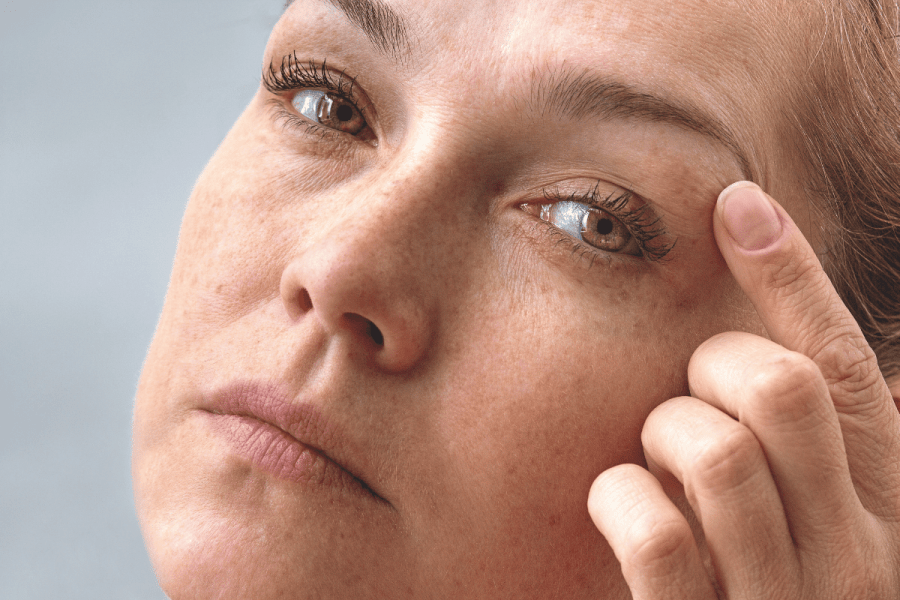
It may start as occasional irritation, but for many people, symptoms become persistent and frustrating. Gritty eyes, redness, blurred vision and sensitivity to light can make everyday tasks such as reading, working at a computer or even driving uncomfortable.
Dry eye disease occurs when the eyes do not produce enough tears or when tears evaporate too quickly. Healthy tears are composed of three layers: water, oil and mucin. Together, these layers keep the eye smooth, nourished and protected. If that balance is disrupted, the surface of the eye can become dry and inflamed.
There are two main types of dry eye. Evaporative dry eye happens when the oily layer of the tear film is not working properly. This is usually a result of blocked or underactive meibomian glands in the eyelids. Without enough oil, tears evaporate too quickly leading to irritation and discomfort.
Aqueous-deficient dry eye occurs when the eye does not produce enough of the watery component of tears. This form is less common and can sometimes be linked to medical conditions.
‘Dry eye is not simply about having less moisture in the eye,’ explains oculoplastic surgeon and dry eye specialist Dr Priya Udani. ‘It is a complex condition including the tear film and the eyelids.’
Crucially, this is why eye drops alone are not always enough. ‘Lubricating drops can help symptoms, but they do not treat the underlying problem,’ says Dr Udani. ‘If the tear film is unstable because the eyelid glands are not functioning properly, that needs to be addressed directly.’
Symptoms vary from person to person, but typical signs include:
- A gritty or sandy feeling
- Burning or stinging
- Red or irritated eyes
- Blurred or fluctuating vision
- Sensitivity to light
- Eyes that water but still feel dry

Why midlife can make it worse
Dry eye can affect anyone, but women are particularly vulnerable in their 40s and 50s.
Hormones play an important role in eye comfort. Androgens and oestrogen help regulate the tiny oil glands in the eyelids that produce the protective oily layer of the tear film. During perimenopause and menopause, hormonal changes can reduce the efficiency of these glands.
Without enough oil, tears evaporate more quickly, leaving the eyes dry and irritated. ‘Many women notice their eyes becoming drier in midlife,’ says Dr Udani. ‘Hormones influence the glands that produce the tear film, so when those levels change, the eyes can feel the effects.’
Some research suggests that more than half of menopausal women experience symptoms that are linked to dry eye. Many sufferers assume hormone replacement therapy (HRT) will solve the problem, but this is not always the case. ‘HRT can help stabilise hormone levels as well as prevent symptoms from worsening, but dry eye is often already established by the time patients seek help,’ explains Dr Udani.
Dry eye usually requires its own targeted treatment approach, particularly one that focuses on restoring the function of the eyelid glands rather than simply adding moisture.
Finding the trigger
Hormones are only part of the picture. Modern lifestyles and beauty routines can also contribute. ‘Anything that interferes with the function of the eyelid glands can worsen dry eye,’ says Dr Udani.
Screen time: We blink far less when staring at a phone or computer, sometimes by up to 50 per cent. Fewer blinks mean tears are not spread properly across the eye.
Eyelash serums: Some lash growth serums can irritate the delicate eyelid margin where the oil glands sit.
Heavy eye make-up: Eyeliner that is applied along the inner lid margin and also thick mascara can easily block the openings of the oil glands.
Contact lenses: Because lenses sit directly on the tear film, they can increase evaporation and worsen symptoms.
Medications: Antihistamines, several antidepressants and certain blood pressure medicines can contribute to dryness.
Acne treatments: Vitamin A-based acne medications can affect the oil glands around the eyes.
If symptoms are mild, certain products can help support the tear film and relieve discomfort. However, they work best as part of a broader, more comprehensive approach that also targets the underlying cause.
‘As well as drops, we often combine treatments with eyelid care and in-clinic procedures,’ says Dr Udani. ‘The aim is not just to lubricate the eye, but to improve how the tear film works.’ When this approach is taken, dry eye can be significantly improved and, in many cases, fully resolved, rather than simply managed.
When to seek help
Occasional dryness after a long day spent on screens is common, but persistent symptoms should not be ignored. If your eyes frequently feel gritty, sore or sensitive to light, it is worth speaking to an optometrist or your GP.
If the symptoms remain despite using drops, it may be time for you to consider options beyond just lubrication alone. Left untreated, severe dry eye can damage the surface of the eye and affect vision. The good news is that, using the right approach, most people can find lasting relief.