


They’re designed to help us stay healthy, but could our smartwatches actually be ruining our sleep, and even giving us insomnia? We asked an expert to find out – and learn how to fix it.
Words: Amy Mica Marsden. Images: Shutterstock.
‘My sleep score is going to be terrible tomorrow…’
If you’ve ever had a similar thought while lying in bed, unable to sleep, you might have ‘orthosomnia’ – a preoccupation with the quality of your sleep tracker data. And it might be doing you more harm than good.
What is orthosomnia
Smartwatch use has risen rapidly over the last ten years, with over 562.86 million wearers worldwide (roughly 22.5% of the global population) in 2026. We wear them to work, to socialise, to the gym, and to sleep, but how often have you wondered whether they were really as good for you as they say?
‘Smart watches and sleep trackers can absolutely be helpful for some people, particularly when they encourage healthier habits or greater awareness around sleep,’ says Kathryn Pinkham, founder of The Insomnia Clinic and the Sleep Well & Live Better course.
‘However, for people who are already struggling with sleep or anxiety around sleep, they can sometimes become part of the problem.’
According to a 2024 study, researchers hypothesised that around 3-5% of the general population experiences orthosomnia. But as smartwatch usage grows, that number may grow with it.
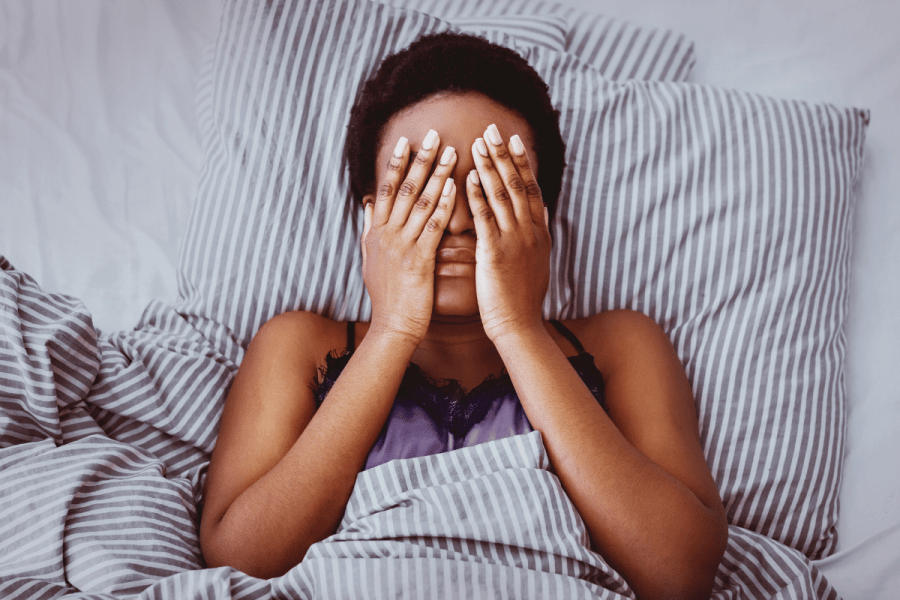
‘One of the biggest issues is that [fitness trackers] can increase hyper-focus on sleep,’ Kathryn continues.
‘People start checking scores, analysing data, and monitoring every night closely, which can create pressure and performance anxiety around sleep. We call this “orthosomnia”, where the pursuit of perfect sleep actually starts to make sleep worse.’
‘I often see people become distressed by a “bad” sleep score, even if they actually felt reasonably rested before checking the app.’
‘Certain features can contribute more to this than others. Sleep scores, readiness ratings, constant overnight data, and notifications about sleep quality can all increase anxiety or encourage people to judge their sleep too critically.’
So if you’ve ever woken up feeling fine, noticed a ‘bad’ sleep score, then suddenly felt more tired than before, rest assured: you’re not alone.
What is orthosomnia doing to my health?
It’s no secret that, as humans, we need a good amount of sleep to function at our best – and the consequences of not getting enough quality sleep can affect not only our day-to-day lives but also our long-term health.
Kathryn explains, ‘In the short term, people often notice difficulties with concentration, mood, energy, memory, and emotional resilience.
‘Over time, chronic sleep disruption has also been linked with increased stress levels, anxiety, lower immune function, and a greater risk of health issues such as cardiovascular disease and metabolic problems.’
Consistent poor sleep is also associated with a higher risk of type 2 diabetes and high blood pressure, and a 33% rise in Dementia risk.
However, insomnia is defined as experiencing problems sleeping for at least three nights a week for at least three months – this doesn’t apply to the occasional night of missed sleep or a few late bedtimes.
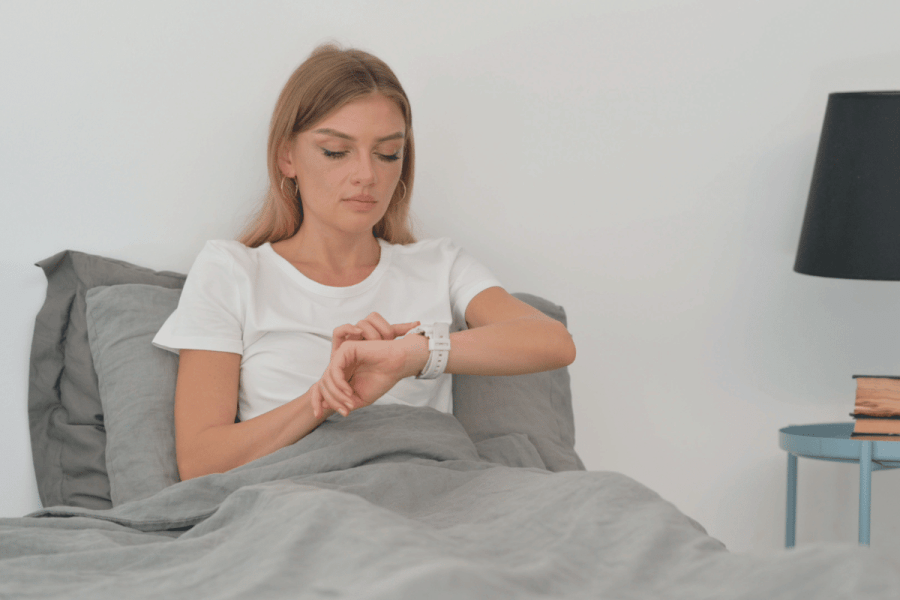
What can I do to stop it?
So, should we all put our smartwatches to bed, so to speak? At least overnight? Not necessarily, but it’s important to strike a balance, Kathryn explains.
‘For people who enjoy using trackers, it can help to approach them as a source of general information rather than the absolute truth.’
‘Sleep trackers are not perfectly accurate at measuring sleep stages or sleep quality, and they should never override how someone actually feels. I would generally encourage people to avoid checking data first thing in the morning if they know it affects their mood or anxiety.’
If you do find yourself getting anxious about your sleep, Kathryn has the following advice:
‘One of the most important things people can remember is that sleep does not need to be perfect to be healthy. We are designed to cope with the occasional poor night, and often the more flexible and less fearful we become around sleep, the better it tends to get.’
For more information on insomnia, follow Kathryn at @theinsomniaclinic or visit theinsomniaclinic.co.uk.